


The debate surrounding renewable energy has intensified in recent years, with solar energy emerging as a frontrunner in the quest for cleaner, sustainable power sources. At the heart of this discussion lies a pivotal question: What truly makes solar energy green? With concerns over climate change and pollution at an all-time high, understanding the emissions, lifecycle, and comprehensive benefits of solar power is crucial. This exploration delves into solar energy’s environmental impact, comparing it to conventional energy sources, and examining its lifecycle from production to disposal. Furthermore, we will discuss the technological advances driving solar energy adoption and the pivotal role it plays in fostering a sustainable future for generations to come.
The Fundamentals of Solar Energy: Understanding Its Green Credentials
Solar energy refers to the harnessing of sunlight to generate electricity or heat. As a renewable resource, solar energy is derived from the sun’s radiance, which is expected to remain an endless source of power for billions of years. Systems that capture sunlight for conversion typically utilize photovoltaic (PV) cells or solar thermal technologies. Photovoltaic cells directly convert light into electricity, while solar thermal systems capture heat for various applications. The operational principle is relatively straightforward: sunlight absorbed by solar panels creates an electric current, which can then be utilized to power homes, businesses, and even the electric grid.
This abundance and renewability are crucial reasons why solar energy is considered green. Unlike fossil fuels, which require extraction and contribute to environmental degradation throughout their life cycle, solar energy taps into a replenishing resource without depleting it. According to studies, solar power generation significantly reduces greenhouse gas emissions compared to traditional power generation technologies. For example, the National Renewable Energy Laboratory (NREL) asserts that solar energy systems can decrease greenhouse gas emissions by up to 80% across their life cycle when compared to coal or natural gas.
- Environmental Benefits of Solar Power:
- Reduction of greenhouse gas emissions
- Minimal air pollution during operation
- Decreased dependency on finite resources
- Reduction of greenhouse gas emissions
- Minimal air pollution during operation
- Decreased dependency on finite resources
- How Solar Energy Works:
- Photovoltaic panels convert sunlight into DC electricity.
- Inverters transform DC into AC electricity for use in homes.
- Battery storage systems can retain excess energy for later use.
- Photovoltaic panels convert sunlight into DC electricity.
- Inverters transform DC into AC electricity for use in homes.
- Battery storage systems can retain excess energy for later use.

Understanding these fundamental principles gives insight into the environmental advantages offered by solar energy. The absence of harmful emissions during operation and the conservation of natural resources bolster solar energy’s reputation as a clean power source. Nevertheless, it is vital to consider the entire lifecycle of solar technology—from raw material extraction to end-of-life disposal—to evaluate its true environmental footprint.
Lifecycle Emissions of Solar vs. Fossil Fuels
The lifecycle of solar panels encompasses various stages, including material extraction, manufacturing, operation, and eventual disposal. Each phase has implications for overall carbon emissions and environmental impact, which must be taken into account when assessing solar energy’s green status. According to research, the lifecycle emissions associated with solar power are significantly lower than those of fossil fuels. For instance, a typical solar panel might emit around 20 grams of CO2 equivalent per kilowatt-hour (kWh) produced throughout its lifecycle, compared to over 800 grams for coal.
Much of the emissions associated with solar technology occur during the manufacturing phase, which involves the extraction of raw materials such as silicon, silver, and rare earth elements. These processes can generate greenhouse gases depending on the energy sources utilized during manufacturing. However, it’s essential to weigh these emissions against the operational phase, where solar energy systems generate electricity without any emissions. This contrasts sharply with fossil fuel plants, which continuously emit greenhouse gases during their operational lifetimes.
Table 1: Lifecycle Emissions Comparison
| Energy Source | Lifecycle CO2 Emissions (grams/kWh) |
|---|---|
| Coal | 800+ |
| Natural Gas | 400+ |
| Solar PV | 20 |
This significant reduction in emissions over the lifespan of solar panels underscores their role in combating climate change. The International Energy Agency (IEA) indicates that the global transition to solar energy could help avert some of the dire consequences associated with rising temperatures and improve air quality across urban areas. Furthermore, the decommissioning of traditional fossil fuel plants in favor of solar installations aligns with sustainability efforts worldwide.
Environmental Benefits of Solar Energy: Beyond Emissions
The environmental benefits of solar energy extend far beyond mere emissions reductions. As communities increasingly transition toward solar power, a number of additional advantages come into play, ranging from improved air quality to resource conservation. Solar energy reduces air pollution, which is particularly valuable in densely populated regions grappling with smog and related health issues. The elimination of combustion processes in solar energy generation ensures that harmful pollutants such as sulfur dioxide and nitrogen oxides are not released into the atmosphere.
Moreover, solar power conserves an essential resource: water. Conventional power generation, particularly those reliant on fossil fuels or nuclear energy, typically requires vast quantities of water for cooling processes. In contrast, solar technology consumes minimal water, particularly photovoltaic systems that operate without the need for cooling water. This factor becomes increasingly pertinent as global water scarcity escalates, highlighting the importance of integrating renewable energy sources into our energy matrix.
- Key Environmental Benefits:
- Improved air quality due to lower pollution levels.
- Reduction of thermal pollution in aquatic ecosystems.
- Minimized water usage in energy production.
- Improved air quality due to lower pollution levels.
- Reduction of thermal pollution in aquatic ecosystems.
- Minimized water usage in energy production.
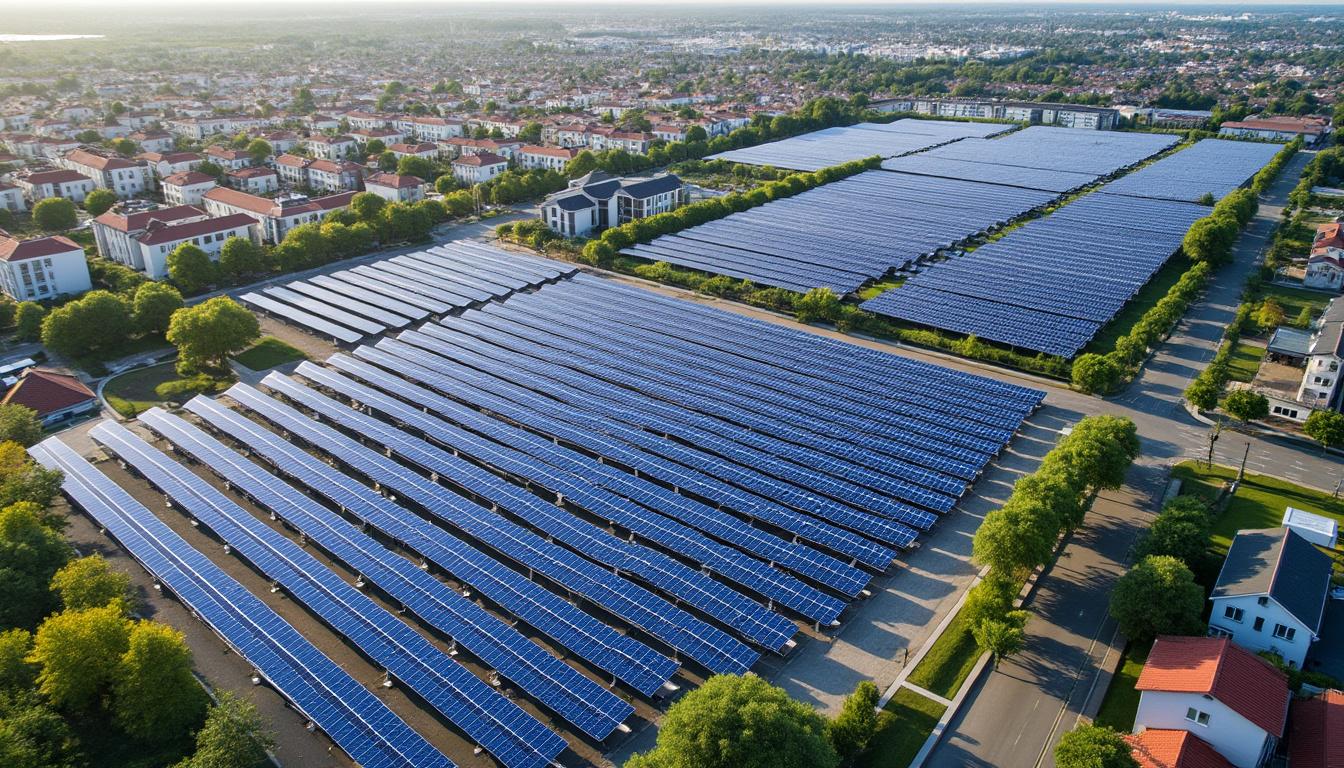
The positive impact of solar energy on local ecosystems is another compelling benefit. By utilizing rooftops and brownfield sites, solar installations can coexist alongside urban environments without requiring large land areas for development. This minimizes habitat destruction and allows for the preservation of biodiversity within critical ecosystems. The potential for land co-usage also supports agricultural practices, expanding solar’s role in enhancing food security while generating clean energy.
Challenges and Criticisms of Solar Power
While the environmental advantages of solar energy are significant, several challenges accompany its rapid adoption. First and foremost is the energy and resource investment required during the solar panel manufacturing process. As noted, solar technology production has associated emissions and demands for critical materials that may not always adhere to sustainable practices. The extraction of key components like silicon can have ecological implications if performed irresponsibly.
Another concern revolves around large-scale solar farms, which occupy extensive land areas that may disrupt existing habitats. A 1 MW solar farm requires ample acreage, potentially impacting flora and fauna within the surrounding region. Therefore, careful planning is necessary to assess and mitigate potential ecological harm while maximizing solar energy’s advantages. Sustainable land-use practices, such as dual-use systems where solar arrays are installed over agricultural land, can help address this issue.
Table 2: Solar Panel Disposal and Recycling
| Material | Recycling Potential (%) |
|---|---|
| Silicon | 95% |
| Glass | 90% |
| Silver | 70% |
The disposal and recycling of end-of-life solar panels further complicate solar energy’s overall environmental impact. As laws regarding waste management evolve, the need for proper recycling protocols becomes increasingly urgent. Proper recycling can alleviate the risk of hazardous materials contaminating the environment and ensure valuable resources are recovered for future production. Encouraging initiatives and investments in recycling technologies will play a vital role in further minimizing the environmental burden associated with solar energy.
The Future Outlook of Solar Energy: Innovations Driving Sustainability
As we advance, the trajectory of solar energy appears promising, driven by continuous innovations and an unwavering commitment to sustainability. Emerging technologies, such as perovskite solar cells, are set to revolutionize the industry by providing higher efficiency rates at reduced production costs. These cells utilize readily available materials, diminishing the dependency on scarce resources and enhancing overall sustainability in the sector.
Additionally, battery storage solutions are becoming increasingly integral to solar energy systems. These technologies allow for the storage of excess energy generated during peak sunlight periods, ensuring a steady electricity supply even during cloudy days or nighttime. This capability directly addresses one of the major criticisms of solar energy: its intermittency. By integrating innovative storage solutions and diversifying the energy mix, we can further maximize solar power’s environmental benefits.
- Key Innovations in Solar Energy:
- Bifacial solar panels that capture sunlight from multiple angles.
- Thin-film technologies for lightweight and flexible applications.
- Advanced recycling processes recovering >95% of materials.
- Bifacial solar panels that capture sunlight from multiple angles.
- Thin-film technologies for lightweight and flexible applications.
- Advanced recycling processes recovering >95% of materials.
With ongoing investment and policy support, solar energy stands to play an increasingly significant role in powering the world sustainably. Governments around the globe are implementing incentives that stimulate solar adoption, and as its reach expands, the positive environmental implications will ripple through ecosystems and communities alike. Solar energy’s future is undoubtedly intertwined with the broader narrative of energy autonomy and climate change mitigation, reflecting the concurrent need for sustainable practices and advancements within the renewable energy sector.
Frequently Asked Questions
Does the manufacturing process of solar panels negate the environmental benefits?
The environmental impact of manufacturing processes occupies a phase during the lifecycle. However, solar lifecycle emissions remain significantly lower than those of fossil fuels. Ongoing advancements are aimed at reducing these emissions further.
How does solar energy contribute to the reduction of greenhouse gas emissions?
Solar energy generates no direct greenhouse gas emissions during operation. This plays a vital role in displacing traditional fossil fuel dependency and significantly reducing overall emissions in electricity generation.
What role does solar panel recycling play in sustainability?
Recycling panels minimizes waste and recovers valuable resources, contributing to a circular economy approach. Effective recycling programs prevent hazardous materials from entering environmental systems.
How does solar energy affect water resources?
Solar power systems require minimal water usage compared to conventional energy sources, reducing stress on local water supplies and minimizing thermal pollution in aquatic ecosystems.
Is solar energy truly “green” despite land use concerns?
While land use concerns are valid, careful planning and utilization of rooftops or brownfields for installations can mitigate habitat loss while simultaneously benefiting local economies and energy systems.

