The discussion surrounding energy sources is more critical than ever in the quest for environmental sustainability and energy autonomy. In recent decades, the transition from nonrenewable to renewable energy sources has been a focal point for policymakers, businesses, and environmentalists alike. As the world grapples with climate change and resource depletion, understanding the differences between renewable and nonrenewable resources is paramount. Among the options typically presented — wind, solar, oil, and geothermal — the distinctions are stark. Where solar, wind, and geothermal energy emerge as sustainable, oil stands notorious as a nonrenewable resource. This article delves into the implications of each energy type, explain why oil is classified as nonrenewable, and explore the growing importance of renewable sources in the ongoing energy transition.
Examining Energy Sources: Renewable vs. Nonrenewable
To understand the classification between renewable and nonrenewable energy sources, it’s essential to define each type. Renewable energy is derived from resources that replenish naturally over short periods, essentially providing a sustainable energy supply. This category shines with sources like solar, wind, and geothermal energy, which consistently provide energy without the worry of depletion. In contrast, nonrenewable energy sources are finite and will eventually run out, as they take millions of years to form naturally.
Nonrenewable sources, primarily fossil fuels like coal, oil, and natural gas, have been cornerstones of global energy systems. These energy forms emit significant greenhouse gases, contributing to climate change and several environmental issues. A further classification includes nuclear energy, which, while not generating greenhouse gases during operation, raises concerns due to radioactive waste and resource scarcity.
The Nonrenewable Nature of Oil
Among the listed options — wind, solar, oil, and geothermal — oil is the clear nonrenewable source. Oil is classified as a fossil fuel, comprising organic material broken down over millions of years in geological formations. This process is incredibly slow, making oil a nonrenewable resource because it takes much longer to form than the timeframe in which we consume it. In fact, oil’s reserves are depleted far faster than new resources can form, leading to the risk of significant shortages in the future.
Globally, companies such as ExxonMobil, Chevron, and BP dominate the oil market, exploiting these reserves while actively contributing to global warming through carbon emissions. This reliance on oil significantly pushes the need for alternative energy strategies. Consequently, countries are increasingly investing in renewable energy solutions, aiming to reduce their carbon footprint and boost energy autonomy.
- Oil production leads to environmental degradation.
- Fossil fuel consumption results in greenhouse gas emissions.
- Renewable resources are benefiting from policy support and technological advancements.
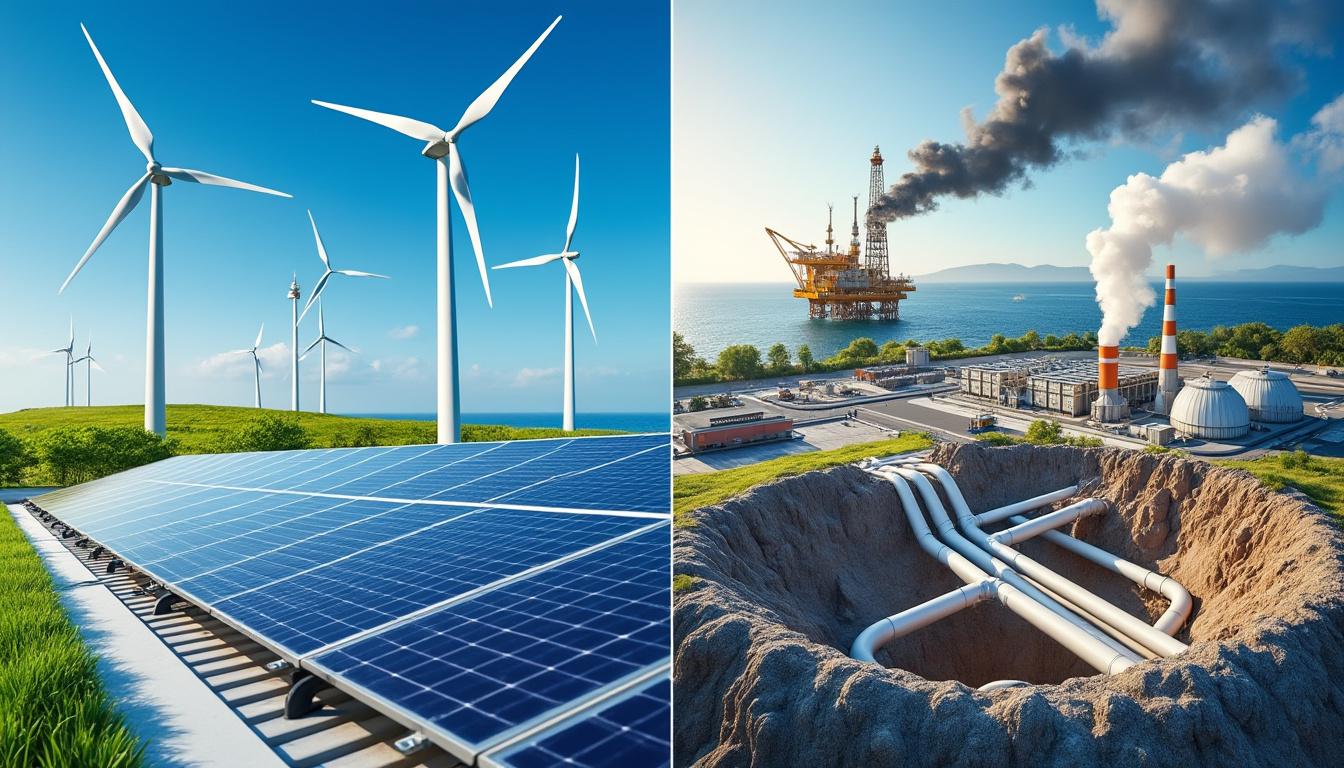
Table of Nonrenewable vs. Renewable Energy Sources
| Energy Source | Renewable? | Impacts on Environment |
|---|---|---|
| Wind | Yes | Minimal, noise pollution |
| Solar | Yes | Minimal, land use issues |
| Oil | No | High, carbon emissions |
| Geothermal | Yes | Minimal to moderate |
The Advantages of Renewable Energy
The transition towards renewable energy presents numerous advantages, not just from an environmental perspective but also regarding economic stability and energy security. Each renewable energy source carries a specific array of benefits that could contribute significantly to a sustainable energy future.
Wind Energy
Wind energy is one of the fastest-growing renewable sources. Harnessed through wind turbines, it converts kinetic energy into electricity with virtually no emissions. According to the Global Wind Energy Council, the installed wind power capacity surpassed 650 GW in recent years, demonstrating significant global interest. Wind energy also offers the potential for job creation within the installation, maintenance, and manufacturing sectors.
Solar Energy
Solar energy captures sunlight’s power through photovoltaic cells, transforming it into electricity. With technological advancements driving costs down, solar energy systems have become more accessible for residential and commercial applications. According to industry reports, solar power production has propagated significant economic tax benefits, job creation, and energy independence.
Geothermal Energy
Geothermal energy taps into the Earth’s internal heat, providing a steady and reliable energy supply. Used for heating and electricity generation, this form of energy has a minimal environmental footprint compared to fossil fuels. Nations with geothermal resources, like Iceland and the Philippines, utilize this energy to significantly reduce reliance on imported fossil fuels.
Ultimately, the shift to renewable energy can help address the core issues of energy scarcity and environmental deterioration, creating more resilient energy systems in the face of climate change.
Challenges Associated with Nonrenewable Resources
Despite the reliance on nonrenewable energy sources like oil, it’s crucial to consider the multitude of challenges posed by their continued use. These challenges underscore the need for innovation and investment in alternatives as global energy producers grapple with transitioning from fossil fuels.
Environmental and Health Impacts
The health repercussions of using nonrenewable energy cannot be overstated. The combustion of fossil fuels releases particulate matter and toxic gases, contributing to air quality issues and various public health crises. For instance, regions heavily dependent on diesel consumption frequently observe elevated asthma rates and cardiovascular diseases among residents.
Economic Instability
Societies relying heavily on oil markets often face economic volatility driven by fluctuating oil prices. Events such as geopolitical conflicts, natural disasters, and policy shifts contribute to instability that affects both local economies and global markets. Companies like Rosneft and Saudi Aramco, which control significant reserves, can experience sudden market cap variations based on global supply and demand dynamics.
Geopolitical Conflicts
Oil dependency can lead to geopolitical conflicts where resources are at stake. Control over oil reserves can exacerbate tensions and trigger escalations in hostilities. The strategies and alliances formed within these frameworks often influence broader political agendas and international relations.
By acknowledging these various challenges, stakeholders are more equipped to advocate for policies rooted in sustainable energy practices, fostering a meaningful shift towards clean energy.

The Path Forward: Investing in Renewable Solutions
As the world moves towards a future where renewable energy becomes the primary source, enacting policies that support investments in these technologies is vital. Major corporations, including energy giants like TotalEnergies and ConocoPhillips, are beginning to pivot their strategies from fossil fuel dependence to investments in renewables. This shift indicates acknowledgment of both the economic benefits of renewables and the importance of sustainability.
Investment in Technology and Infrastructure
Investing in the research and development of renewable technologies is vital for optimal energy production. Innovations in energy storage, grid management, and efficiency improvements will determine the stability and reliability of renewable options. Nations that prioritize their investments will remain competitive in the ever-evolving global energy marketplace.
Public Policy and Legislation
Legislators play a crucial role in shaping the transition to sustainable energy, crafting policies that incentivize renewable energy production while curbing fossil fuel reliance. Current legislative frameworks often actively support tax credits for solar installations and wind investments and outline energy goals aimed at carbon neutrality.
- Financial incentives for renewable energy projects.
- Regulatory measures to phase out fossil fuel dependence.
- International collaboration in research and renewable technology development.
Community Engagement and Awareness
Community involvement is paramount in the transition process. Educating the public on the benefits and availability of renewable resources galvanizes support and encourages behaviors that support sustainable practices. Campaigns fostering global awareness of energy efficiency can reshape consumption patterns, highlighting the importance of personal agency in the energy transition.
Energy Sources Comparison
Select an energy source to view details:
| Energy Source | Efficiency | Cost | Environmental Impact | Details |
|---|---|---|---|---|
| Wind | High | Low | Low | View |
| Wind energy is renewable and has minimal environmental impact. It generates electricity without emissions. | ||||
| Solar | Moderate | Medium | Low | View |
| Solar energy harnesses sunlight, reducing dependence on fossil fuels and lowering emissions. | ||||
| Oil | High | High | High | View |
| Oil is a nonrenewable resource with significant environmental impacts, including greenhouse gas emissions. | ||||
| Geothermal | High | Medium | Low | View |
| Geothermal energy taps into the Earth’s internal heat, providing a reliable and clean energy source. | ||||
FAQs:
What is the main difference between renewable and nonrenewable energy?
Renewable energy can be replenished naturally in short timescales, whereas nonrenewable energy sources take millions of years to form and are finite.
Why is oil considered a nonrenewable resource?
Oil is a fossil fuel that forms over millions of years from organic materials, making it deplete faster than it can regenerate.
What are the environmental impacts of nonrenewable energy?
The use of nonrenewable energy sources contributes significantly to greenhouse gas emissions and air pollution, impacting public health and the environment negatively.
How can communities promote renewable energy?
Communities can promote renewable energy by engaging in awareness campaigns, supporting local renewable energy projects, and advocating for sustainable energy policies.
What companies are shifting from fossil fuels to renewables?
Major energy companies like TotalEnergies, BP, and Chevron are increasingly investing in renewable energy technologies and scaling back fossil fuel projects in response to climate goals.