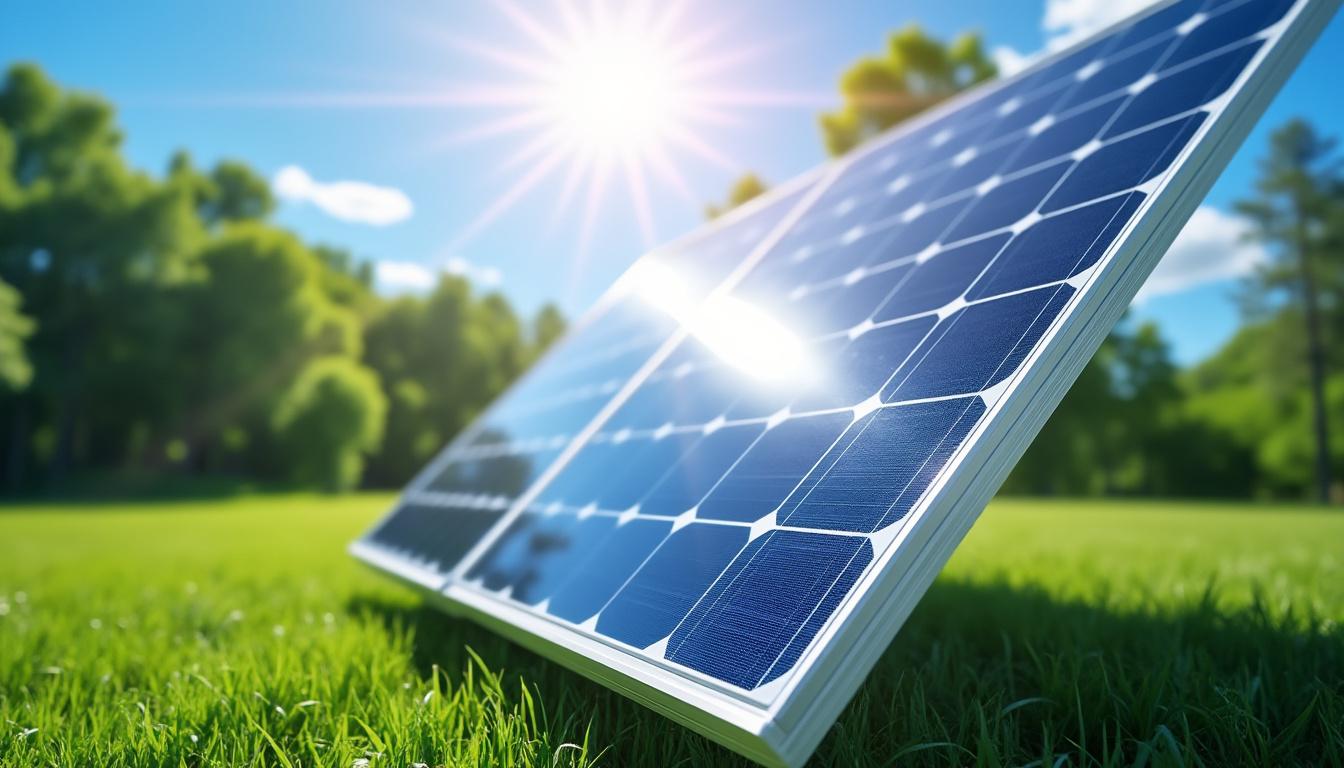
The modern dialogue surrounding renewable energy often leads to questions about the various technologies that harness the sun’s potential. Among these, photovoltaic panels and solar panels emerge as two essential components in the quest for sustainable energy solutions. Despite their frequent interchangeability in everyday discussions, it’s crucial to grasp their distinct features and functionalities. As we approach 2025, the consideration for clean, renewable energy sources becomes ever more poignant, rendering the understanding of these technologies essential for homeowners, businesses, and policymakers alike. The implication of these technologies on energy autonomy is profound, and as they become increasingly integrated into our daily lives, distinguishing between them will aid in informed decisions.
Understanding Photovoltaic Panels and Solar Panels
To clarify, photovoltaic (PV) panels are designed to convert sunlight directly into electricity using semiconductor materials. The most commonly employed semiconductor is silicon. When sunlight hits these materials, photons excite electrons, creating an electric current in a process known as the photovoltaic effect. This transformation converts sunlight into usable electrical energy, which can subsequently power homes and businesses.

Conversely, the term solar panels can refer to a broad array of technologies that utilize solar energy, including both photovoltaic panels and solar thermal panels. The latter uses sunlight primarily for heating purposes, such as warming water or air. Solar thermal panels function differently by capturing heat rather than converting it to electricity. This distinction is essential for understanding their applications and potential benefits.
Key Differences Between Photovoltaic Panels and Solar Thermal Panels
The differentiation between photovoltaic panels and solar thermal panels goes beyond their basic functions. Let’s explore some key differences:
| Feature | Photovoltaic Panels | Solar Thermal Panels |
|---|---|---|
| Primary Function | Convert sunlight into electricity | Capture heat from sunlight |
| Output | Electrical energy | Thermal energy (heat) |
| Typical Efficiency | 15-20% | 40-70% |
| Applications | Electricity generation for homes and businesses | Heating water and spaces |
This table illustrates fundamental distinctions which contribute to the decision-making process for individuals and businesses considering solar energy solutions.
How Photovoltaic Cells Generate Electricity
Delving deeper into the workings of photovoltaic (PV) panels aids in understanding their efficiency and application. At their core, photovoltaic cells generate electricity through a specific mechanism that utilizes the properties of materials like silicon. The cells have a layered structure where the front layer contains a higher concentration of electrons compared to the back layer, creating a positive-negative charge difference.
When sunlight strikes the photovoltaic cells, it energizes the electrons, causing them to move. This movement generates both voltage and current, vital components for electrical energy. Each cell produces a minor amount of power, but together in an array, they create significant electricity output. However, it’s essential to acknowledge that while PV cells can only convert about 11 to 15% of sunlight into usable energy, employing multiple cells in an array compensates for this inefficiency, leading to overall higher outputs.
Factors Affecting the Generation of Electricity by PV Cells
Several factors impact the efficiency of photovoltaic cells:
- Material Composition: Monocrystalline solar cells often outperform polycrystalline cells due to their higher purity and efficiency.
- Temperature: Extreme heat can reduce the efficiency of PV cells, affecting energy output.
- Angle of Installation: Proper positioning relative to the sun’s trajectory maximizes energy capture.
Through careful consideration and implementation of these factors, the potential for enhanced energy output from photovoltaic installations can be significantly increased.
Understanding Solar Panels: Mechanisms and Applications
Moving beyond the way photovoltaic panels work, solar panels as a broader category include various technologies. The common objective remains to harness solar energy, but the mechanisms they employ can vary considerably, particularly with solar thermal panels.
Solar thermal panels utilize absorbed sunlight to heat a fluid, typically water, that is then used for space heating or hot water systems. They have gained significant popularity in residential settings, particularly for water heating needs, proving to be an economical solution for many households.

Common Applications of Solar Panels
Below are the primary applications of both photovoltaic and solar thermal panels:
- Electricity Generation: Photovoltaic panels are widely used to generate electricity for residential and commercial use.
- Water Heating: Solar thermal systems are efficient at heating water, often used in swimming pools and domestic hot water supplies.
- Space Heating: Some applications utilize solar thermal energy for heating indoor spaces, these systems can be combined with traditional heating methods to enhance efficiency.
Understanding these applications highlights how both technologies can complement each other in the renewable energy landscape.
The Relationship Between Photovoltaic and Solar Thermal Technologies
Despite their differences, photovoltaic and thermal solar technologies can coexist beneficially within the broader context of renewable energy. Architects and engineers often incorporate both systems in building designs to optimize energy use. For instance, a home may employ photovoltaic panels to generate electricity while utilizing solar thermal systems for heating water.
This synergy is not just practical; it can lead to substantial energy savings and reduced reliance on traditional energy sources, which are vital amidst ongoing global climate challenges. As more people seek energy autonomy, understanding how to effectively incorporate photovoltaic and solar thermal solutions together is increasingly vital.
Comparative Advantages and Limitations
Each technology has its set of advantages and some limitations:
| Type | Advantages | Limitations |
|---|---|---|
| Photovoltaic Panels | High versatility for electricity generation; minimal maintenance required. | Higher initial costs; less effective in cloudy conditions. |
| Solar Thermal Panels | Highly efficient for heating applications; lower upfront costs. | Limited to heating—cannot generate electricity; requires more maintenance. |
This comprehensive understanding enables consumers to make informed decisions based on their specific energy needs, as both technologies can cater to different applications.
Integration of Photovoltaic Panels and Solar Technology into Renewable Energy Strategy
The integration of photovoltaic panels and solar thermal systems into energy strategies represents a significant move towards sustainability. Governments worldwide are advocating for renewable energy transitions, reflecting an international trend toward decreasing carbon footprints. With the effects of climate change becoming ever more evident, the push for technologies that harness solar power is crucial.
Companies like SunPower, First Solar, and Canadian Solar are leading this charge with innovative solutions that cater to both photovoltaic and solar thermal needs. Their advancements in technology reflect a consistent improvement in efficiencies and user-friendliness, enhancing the appeal of solar systems among potential users.
Choosing the Right System for You
When deciding between solar options, several factors should be considered:
- Energy Needs: Assess whether your primary focus is on electricity generation or heating.
- Location: Evaluate the solar potential of your area, as this can affect panel performance.
- Budget: Determine upfront costs versus long-term savings and maintenance needs.
The right solar technology choice can significantly impact energy bills and efficiency and should align with individual goals for energy independence.
| Feature | Photovoltaic Panels | Solar Thermal Panels |
|---|---|---|
| Energy Conversion Method | Converts sunlight directly to electricity | Uses sunlight to heat water or air |
| Efficiency Rate | 15% – 20% typically | 60% – 80% depending on design |
| Applications | Electricity generation for homes and businesses | Water heating for residential and commercial use |
| Installation Cost | Higher initial cost for installation | Generally lower than PV systems |
| Durability | Lasts 25 years on average | Can vary; usually shorter lifespan |
Frequently Asked Questions
Are photovoltaic panels and solar panels the same thing?
No, photovoltaic panels specifically convert sunlight into electricity, while solar panels may also include systems designed for heating applications.
What is the primary function of photovoltaic panels?
Photovoltaic panels convert sunlight directly into electrical energy through the photovoltaic effect, generating a current that can be used for various applications.
How does solar thermal energy differ from photovoltaic energy?
Solar thermal energy captures heat from the sun for heating applications, while photovoltaic energy converts sunlight into electricity. Both serve different functions in renewable energy.
Which is more efficient: photovoltaic panels or solar thermal panels?
Solar thermal panels typically have higher efficiencies for heat capture, ranging from 40% to 70%, whereas photovoltaic panels generally achieve 15% to 20% efficiency in converting sunlight to electricity.
Who are leading manufacturers in the solar technology market?
Major manufacturers include Panasonic Solar, JinkoSolar, LONGi Solar, and Trina Solar, contributing innovations to the solar power industry.