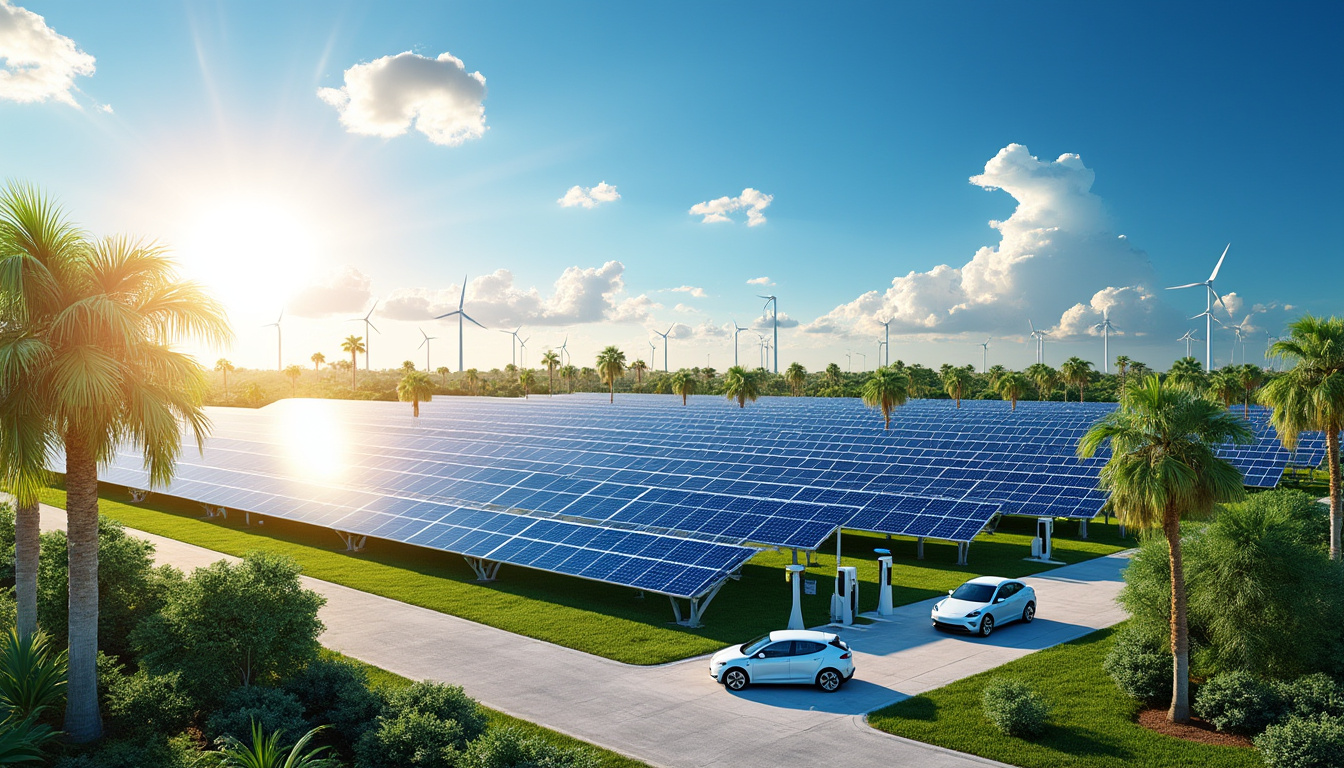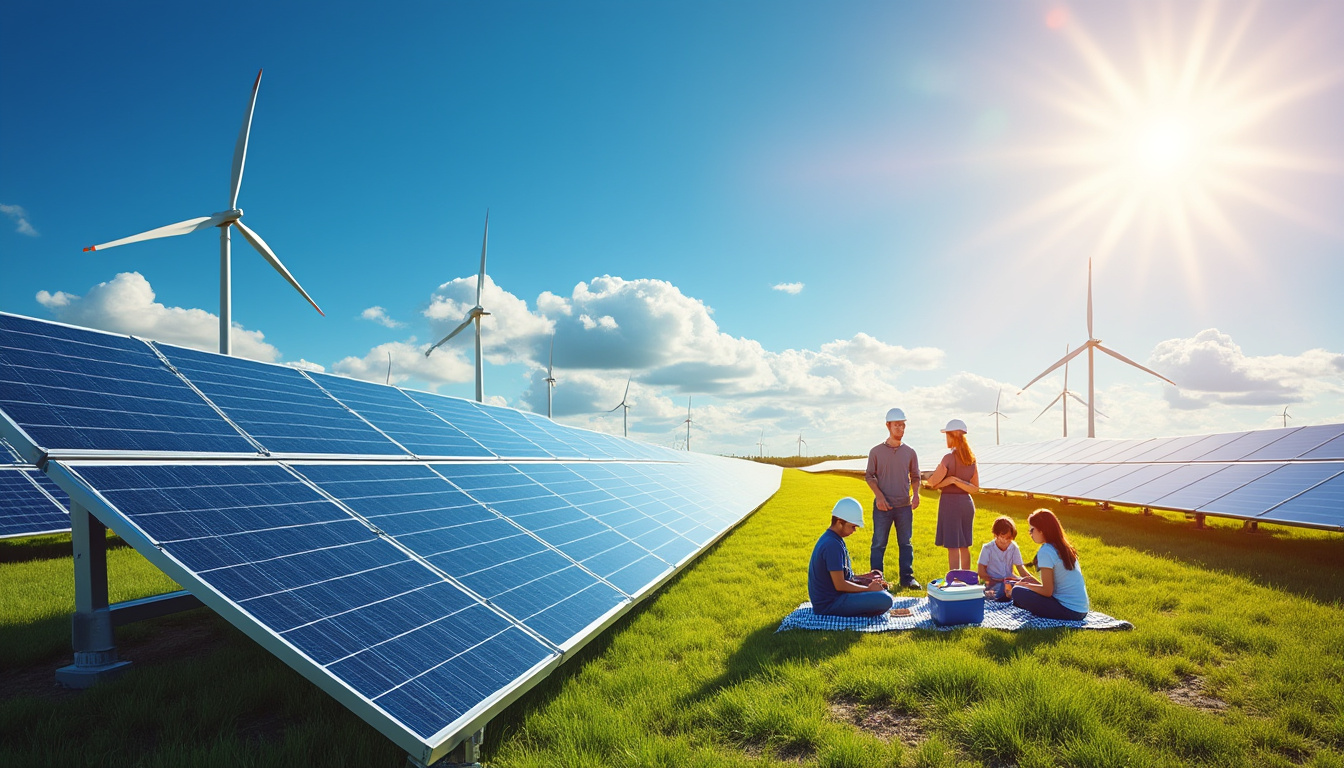
The surge in renewable energy installations is reshaping the energy landscape in the United States. With unprecedented growth in solar and wind power, the nation is witnessing a significant transition toward cleaner energy sources. As we delve into the insights from the Federal Energy Regulatory Commission (FERC) and the U.S. Energy Information Administration (EIA), we can better understand how solar power is set to dominate new electrical generating capacity. The early months of 2025 have already demonstrated promising figures, and projections suggest that this trend will not only continue but ramp up as various states and companies rally behind innovative energy solutions.
Unprecedented Growth of Solar Energy in the U.S.
In the first half of 2025, solar energy accounted for a remarkable 75% of the new U.S. electric generating capacity. This data highlights a growing trend where solar energy is not just a supplemental source of power, but a leading force in the energy transition. Major developers such as SunPower, First Solar, and NextEra Energy have significantly ramped up their operations to match the increasing demand for renewable energy. Specifically, 12 gigawatts (GW) of new utility-scale solar capacity was added in this period alone.
This substantial increase raises several key questions: What factors are driving this growth? How are various states contributing to these figures? And what can we expect in the coming years as infrastructure continues to evolve? Let’s delve into these aspects to paint a clearer picture of the solar landscape in the U.S.
Key Drivers of Solar Capacity Expansion
A variety of factors are propelling the solar energy boom in the United States:
- Government Incentives: Policies at both federal and state levels provide significant tax credits and subsidies for renewable energy installations. The Investment Tax Credit (ITC) is one notable example that allows developers to recoup a portion of their investment.
- Technological Advancements: Continuous innovations in solar technology have increased efficiency and lowered costs. Companies like Tesla Solar and Enphase Energy have been crucial in developing high-efficiency solar panels and storage solutions.
- Public Interest: There’s a growing public awareness and demand for sustainable energy. Consumers are increasingly seeking ways to reduce their carbon footprints, pushing more households to adopt solar energy.
These drivers are not only supporting immediate growth but are also setting the stage for long-term sustainability in the solar energy sector. The synergy of government policy, technological development, and consumer behavior creates an environment ripe for significant augmentation in renewable energy sources.
State Contributions to New Solar Capacity
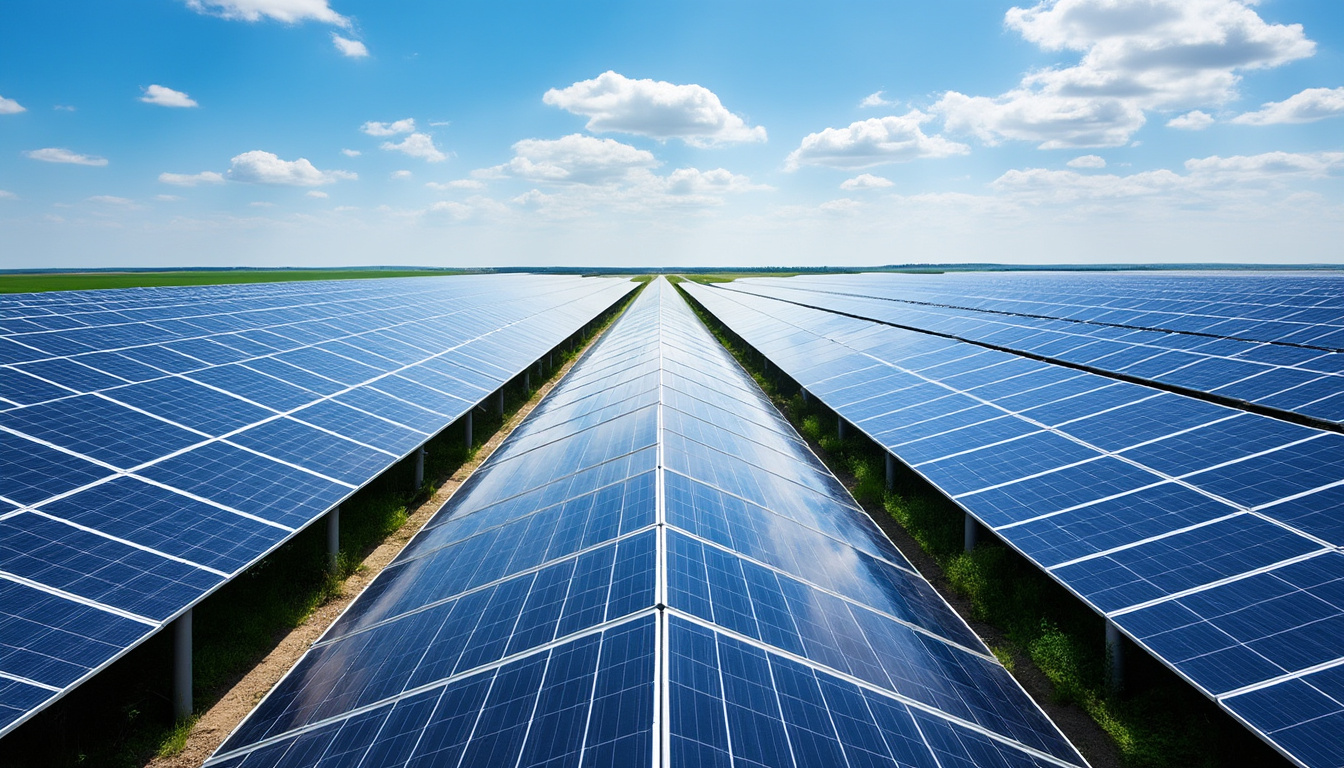
Solar energy capacity is growing unevenly across the country, with certain states emerging as leaders. For instance, in Texas, a whopping 27% (3.2 GW) of the total added solar capacity in the first half of 2025 came from this state alone. This ongoing growth can be attributed to favorable regulatory environments, available land for solar farms, and strong participation from companies like Canadian Solar and Array Technologies that provide necessary infrastructure and technology.
Other states also play pivotal roles:
- California: Historically the largest solar market, California continues to see substantial installations, driven by aggressive state mandates for renewable energy.
- Arizona: Known for its abundance of sunshine, Arizona is becoming a magnet for solar developers, also benefiting from state incentives designed to boost renewable energy.
- Florida: New initiatives are putting Florida on the solar map, with notable installations emerging across the state.
Indeed, as these states harness their unique resources and potential, they combine their efforts to form a stronger national push towards renewable energy adoption, facilitating a more diverse energy portfolio across the U.S.
Battery Storage: The Backbone of Solar Energy Expansion
As solar installations rise, the integration of battery storage systems becomes increasingly vital. During the first half of 2025, battery storage accounted for 26% (5.9 GW) of the total new capacity additions, second only to solar. This level of capability is crucial for managing the intermittent nature of solar energy and ensuring a stable supply of power.
The Role of Battery Storage in Renewable Energy
Battery systems smooth out the energy supply and allow for the better integration of solar power into the overall grid. Here’s why they are so essential:
- Energy Management: Batteries store excess energy generated during sunny days, allowing it to be used during periods of low sunlight or increased demand.
- Grid Stability: As more renewable sources enter the energy mix, the grid requires additional management tools such as battery storage to mitigate fluctuations in power supply. Vivint Solar and JinkoSolar are notable players in this space, implementing systems that can enhance grid resilience.
- Increased Deployment: With states like Texas planning to add 7.0 GW of new battery storage capacity in 2025, it’s clear that the industry is prepared for significant expansion.
Moreover, the innovation in battery technologies is also notable. Companies are continuously looking for ways to improve battery life, reduce costs, and increase efficiency. The connection between solar power and storage is becoming a sophisticated ecosystem that enhances the reliability and accessibility of renewable energy.
| Year | Solar Capacity Added (GW) | Battery Storage Added (GW) |
|---|---|---|
| 2023 | 9.0 | 3.5 |
| 2024 | 35.0 | 7.5 |
| 2025 | 33.0 | 12.0 (projected) |
The Impact of Wind Energy on Overall Capacity Growth
While solar energy is leading the charge, wind power also plays a significant role in the U.S.’s burgeoning renewable energy landscape. Together, solar and wind have combined to account for an impressive 91% of the new electric generating capacity installed in the first half of 2025. This partnership highlights the necessity of diversifying our clean energy sources to ensure a resilient energy future.
Collaborative Momentum Between Solar and Wind
The collaboration between solar and wind energy is notable for several reasons:
- Complementary Production: Solar and wind resources often peak at different times, providing a continuous energy supply when combined. During sunny days, solar panels generate power, while wind power may be more plentiful during nights.
- Shared Resources: Certain companies are venturing into both sectors, offering integrated solutions that bring efficiency and scale to the market. Developers like NextEra Energy have been at the forefront of this collaborative evolution.
- Investment Incentives: As both sectors grow, they equally benefit from government incentives, promoting large-scale projects that facilitate rapid capacity additions.
As a result, it makes sense that investors and developers increasingly view solar and wind as complementary components of a sustainable energy ecosystem, capable of together achieving a cleaner, more efficient energy future.
Navigating Capacity Retirements: What Lies Ahead
Despite the rapid growth of renewable energy sources, the U.S. energy landscape is also facing capacity retirements. During the first half of 2025, operators planned to retire 8.7 GW of electric generating capacity, with approximately 71% of that coming from coal-fired power plants. These retirements highlight a significant shift from fossil fuels toward renewables.
Understanding the Rush to Retire Older Capacity
Several factors are influencing the decision to retire existing fossil fuel plants:
- Environmental Regulations: Stricter regulations aimed at curbing carbon emissions are leading many operators to retire or delay the operation of older fossil fuel units.
- Economic Viability: With decreasing costs for renewable energy, many coal and gas plants are unable to compete, driving their economic retirement.
- Public Pressure: There is growing public sentiment against coal, compelling entities to pivot towards renewable solutions.
As the U.S. navigates this transition away from older fossil fuel generation, it must also focus on ensuring reliable energy supplies and meeting consumer demands. Surveillance of these capacity retirements illustrates both the challenges and opportunities heading into this new era of energy generation.
| Energy Source | Projected Capacity Retirements (GW) |
|---|---|
| Coal | 6.0 |
| Natural Gas | 1.5 |
The energetic landscape of the U.S. is undergoing what could be described as a renaissance, focusing on sustainability and innovation. Stakeholders across various fronts are increasingly recognizing the multifaceted nature of energy production, from solar and wind integration to battery storage technology. While challenges remain in managing the transition from older fossil fuels, the roadmap toward a renewable future is being paved with each new installation and capacity increase. Adapting to these changes is crucial as the nation endeavors to achieve energy autonomy and sustainability.
How significant is the role of solar energy in the U.S. energy landscape?
Solar energy is currently leading the charge, contributing to over 75% of new electric generating capacity in 2025.
What companies are key players in the solar energy sector?
Major contributors include SunPower, Tesla Solar, and First Solar.
How is battery storage impacting the renewable energy market?
Battery systems allow storage of solar energy for use during low sunlight periods, enhancing grid reliability.
What percentage of new capacity does wind energy account for?
Together with solar, wind energy contributes to 91% of new electrical generating capacity installations.
What are the key factors influencing the retirement of coal plants?
Stricter regulations, economic viability issues, and public sentiment against coal drive retirement initiatives.