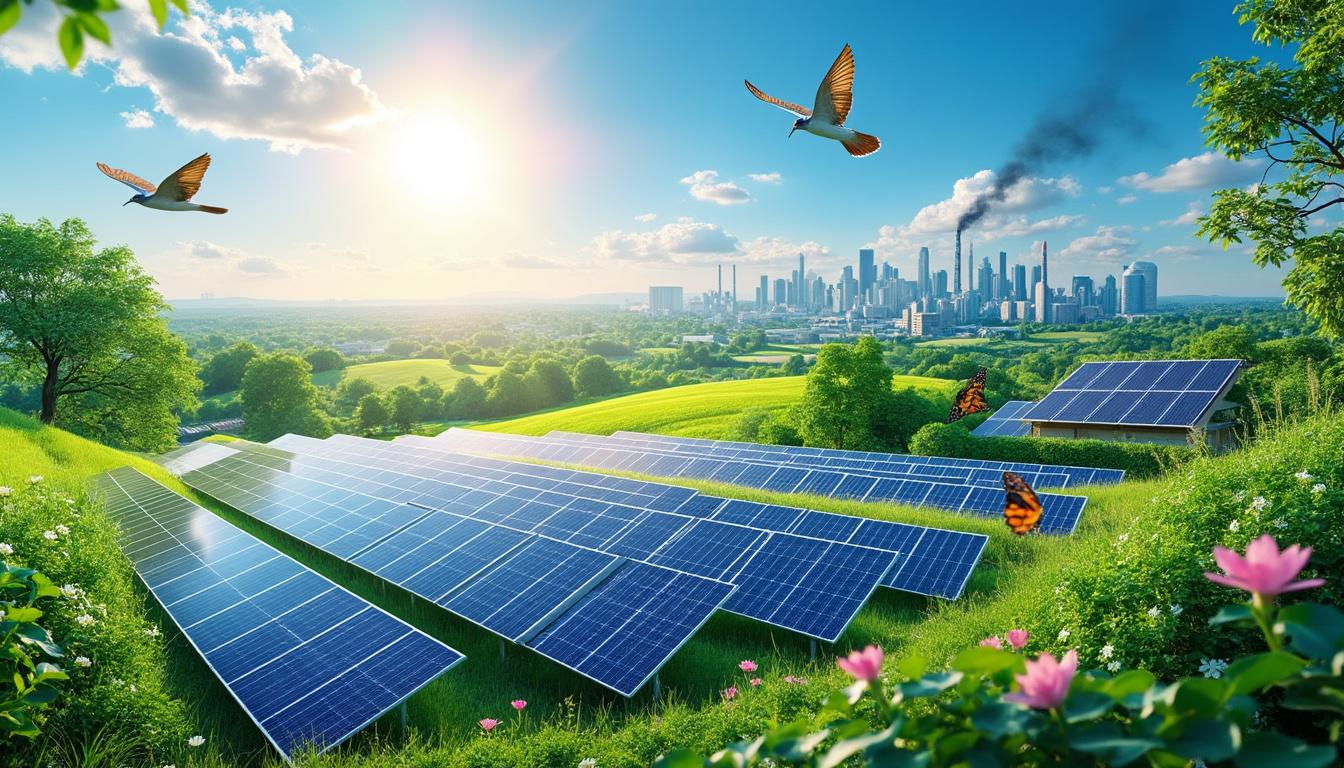
Solar panels have revolutionized the way we harness and utilize energy, offering a promising alternative to fossil fuels. As the world grapples with the impacts of climate change, the question of whether solar panels contribute to global warming has gained prominence. Misconceptions about their effects, particularly concerning heat absorption, often cloud the discussion. Understanding the mechanisms behind solar panels and their environmental impact is crucial for informed decision-making about energy solutions. This exploration seeks to clarify the interactions between solar energy and global warming, shedding light on the nuances of solar panel functionality and their true effects on the planet.
How Solar Panels Work: Mechanisms and Energy Conversion
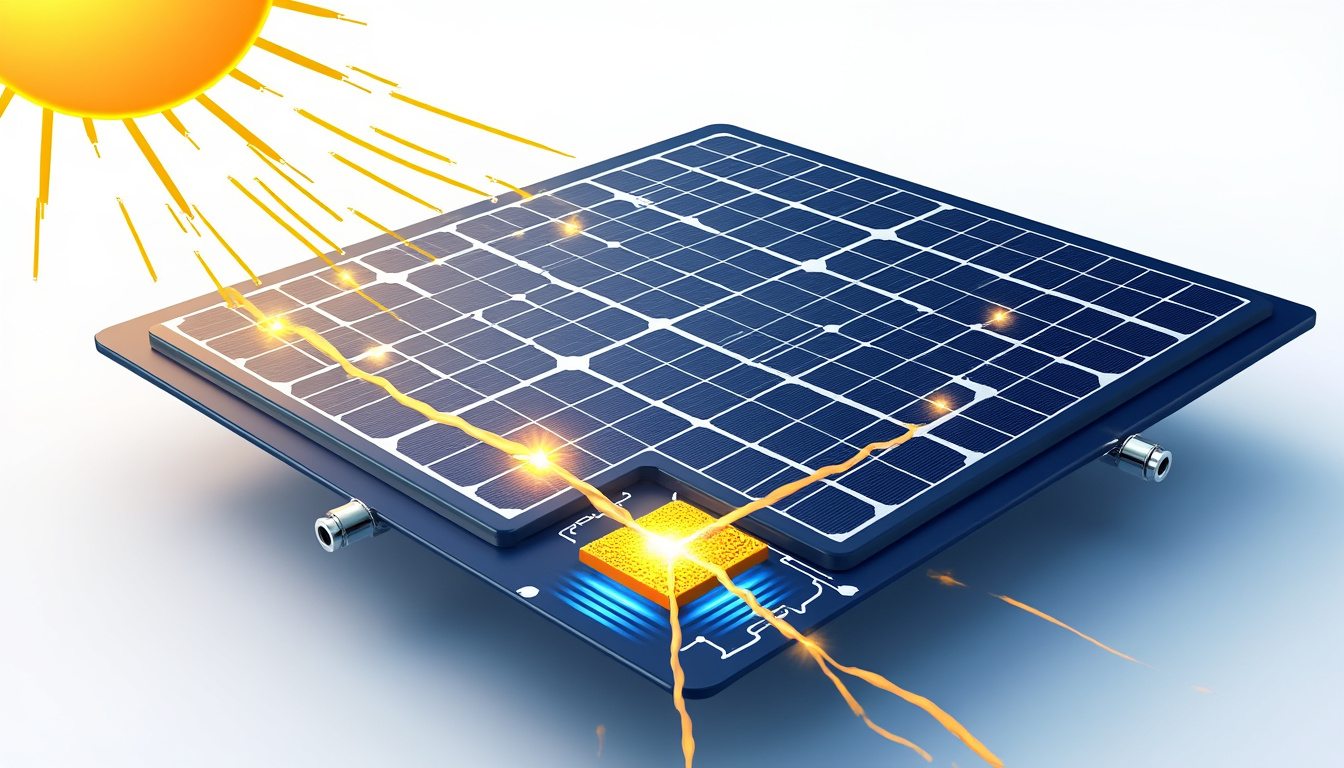
At the core of solar technology are photovoltaic (PV) cells designed to convert sunlight into electricity. The photovoltaic effect, where light energy excites electrons in a material to generate electrical current, is fundamental to this process. While solar panels convert a significant portion of sunlight into usable energy, they do not entirely prevent heat absorption. Standard PV panels achieve an efficiency rate between 15-20%, meaning a considerable amount of sunlight is transformed into heat.
Understanding the types of solar panels is essential. Each type has distinct characteristics that influence heat absorption:
- Monocrystalline Panels: Composed of single-crystal silicon, these panels are known for their high efficiency and long lifespan. Their dark color allows them to absorb substantial heat.
- Polycrystalline Panels: Made from multiple silicon crystals, these blue-hued panels are less efficient than monocrystalline options but tend to reflect more sunlight.
- Thin-Film Panels: These are made by layering photovoltaic material onto a substrate. They perform better in high temperatures, but their efficiency varies with the specific materials used.
Despite variations in design, the overall function of solar panels remains centered around energy efficiency and conversion, aiming to reduce reliance on fossil fuels and minimize greenhouse gas emissions.
Heat Absorption and the Albedo Effect
The concept of albedo refers to the reflectivity of surfaces. Different materials reflect or absorb sunlight differently, impacting local and global temperatures. Solar panels, being darker, typically exhibit a low albedo, resulting in significant sunlight absorption. When comparing solar panels to other surfaces:
| Surface Type | Albedo Value | Heat Absorption Characteristics |
|---|---|---|
| Concrete | 0.30 | Moderate heat absorption |
| Asphalt | 0.05 | Low albedo, high heat retention |
| Forests | 0.10-0.25 | Low heat absorption |
| Deserts | 0.30-0.40 | High albedo, moderate heat absorption |
Studies indicate that while solar panels can lead to minor localized warming due to heat retention, their impact on global temperatures remains negligible. In fact, regions with solar installations observe less greenhouse gas emissions overall, thanks to the clean electricity generated and the displacement of fossil fuel use. This illustrates the critical importance of context in discussions around the heat absorption qualities of different surfaces.
Do Solar Panels Contribute to Global Warming?
The debate regarding whether solar panels contribute to global warming often stems from misunderstandings. While it appears logical that structures absorbing sunlight would inherently warm the planet, the reality is more complex. The primary driver of global warming is the accumulation of greenhouse gases in the atmosphere; solar panels, operating without emissions, play an essential role in decreasing these gases. Let’s investigate how solar energy use compares to traditional fossil fuel energy:
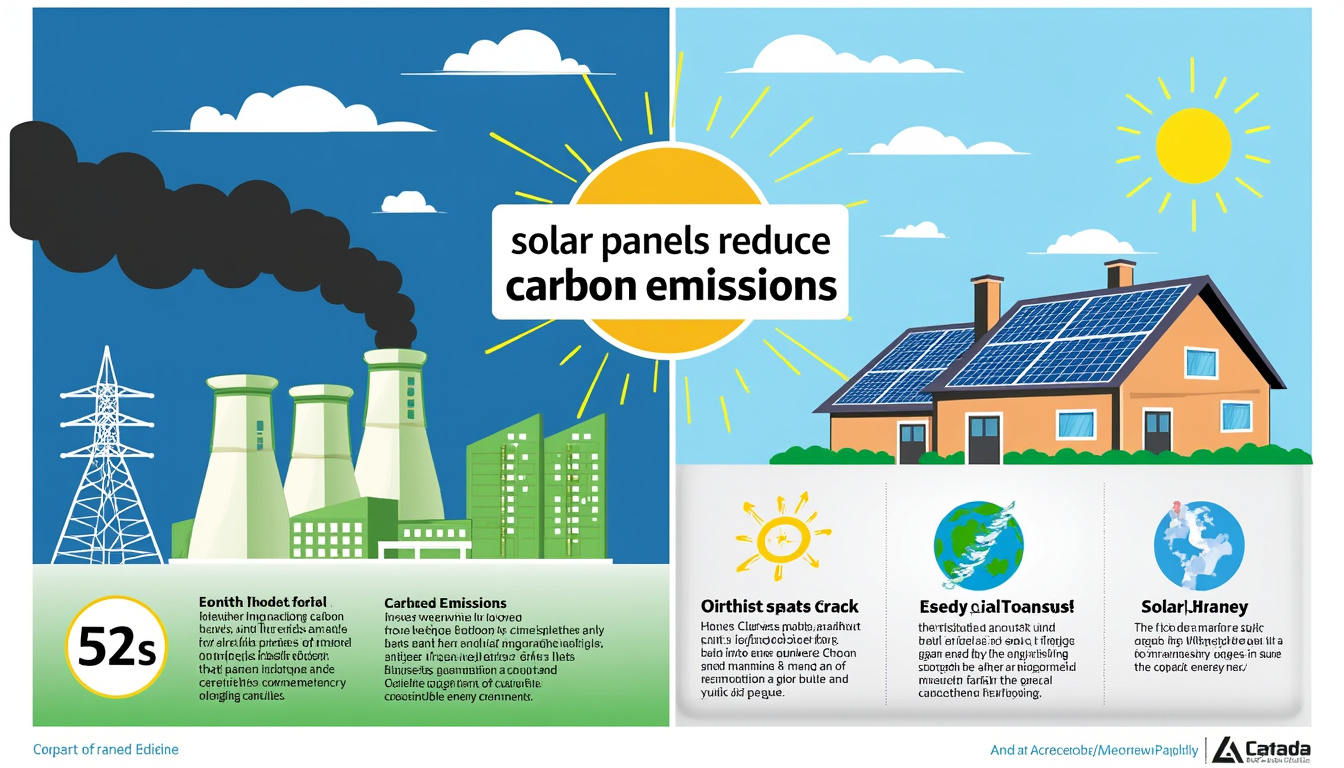
- Carbon Emissions: Fossil fuels release significant amounts of carbon dioxide and other pollutants, which contribute to climate change. In contrast, solar panels produce electricity without these emissions.
- Long-term Impact: Over their lifespan, solar panels have a carbon footprint substantially lower than that of fossil fuel power sources, making them a more climate-friendly option.
- Localized vs. Global Effects: While solar farms can result in localized temperature increases, such as the “solar heat island effect,” these increases are minor relative to the global climate impacts caused by fossil fuels.
Research from various sources supports this position, emphasizing that the broader implications of shifting from fossil fuels to solar energy result in a net cooling effect on the planet. For instance, a study published in Nature Climate Change highlights the benefits of solar installations in reducing overall carbon emissions.
Urban Heat Islands and Solar Panel Impact
Urban Heat Islands (UHIs) are areas within cities that experience higher temperatures than surrounding rural areas, primarily due to human activities and the prevalence of heat-absorbing surfaces like asphalt. Some surface types are naturally more conductive to heat, a factor that can lead to elevated temperatures. Questions arise about whether solar farms could exacerbate this effect.
While it’s accurate that large-scale solar installations can create slight localized warming, the extent is often overstated. Key reasons why solar panels do not significantly contribute to Urban Heat Islands include:
- Comparative Heat Absorption: Solar panels absorb sunlight and convert it into usable energy rather than releasing it as heat. This differentiates them from many urban surfaces that contribute to UHIs.
- Local Shade Creation: Solar panels provide shade which can help reduce heat absorption in the areas beneath them, often cooling the surrounding environment.
- Green Infrastructure Integration: Solar farms can incorporate vegetation, further reducing heat and improving local ecosystems.
Addressing UHI impacts alongside solar panel deployment requires strategic planning, including innovative designs that promote natural cooling and environmental health.
Mitigation Strategies for Solar Panel Heating Effects
As the solar energy sector expands, ongoing research focuses on strategies to minimize any potential localized heating effects associated with solar panels. Mitigation can take various forms, improving both efficiency and environmental sustainability. Strategies include:
- Panel Spacing: Designing solar farms with sufficient space between panels enhances airflow, aiding in heat dissipation.
- Vegetation Integration: Planting vegetation around solar farms can absorb excess heat and contribute to local cooling.
- Innovative Coatings: Reflective coatings can be applied to solar panels to increase their albedo, reducing the heat absorbed.
In collaboration with companies like SunPower, First Solar, and LG Solar, advancements in technology aim directly at alleviating environmental concerns. For instance, Q CELLS has developed panels optimized for urban installations that effectively reduce localized warming. Presently, research focuses on developing bifacial panels that capture sunlight from both sides which may help reduce heat absorbance even further.
| Mitigation Strategy | Description | Potential Benefits |
|---|---|---|
| Panel Spacing | Increased distance between solar panels. | Improved airflow and heat dissipation. |
| Vegetation Integration | Encouraging plant growth around solar installations. | Greater cooling effects and enhanced biodiversity. |
| Reflective Coatings | Applying materials to solar panels that reflect sunlight. | Reduced heat collection and improved albedo. |
Green Roofs and Solar Panel Integration
Integrating green roofs with solar panel systems presents a promising synergetic relationship that can effectively combat localized heating. Green roofs provide natural insulation and help regulate temperatures by actively cooling both roofs and surrounding areas through transpiration. This arrangement not only reduces heating effects but also enhances the energy efficiency of solar panels.
- Increased Efficiency: With lower rooftop temperatures, solar panels can increase their energy output, performing better in less heat-stressed environments.
- Stormwater Management: Green roofs absorb rainwater, helping to mitigate runoff during heavy rainfalls and reduce urban flooding risks.
- Improved Biodiversity: While providing energy solutions, these systems contribute positively to local ecosystems.
Such initiatives undertaken by companies like Canadian Solar and Trina Solar reflect a growing commitment to sustainable and holistic energy solutions.
Frequently Asked Questions
Do solar panels increase global warming?
No, solar panels do not contribute to global warming. While they absorb sunlight and may cause minor localized heating, their overall impact is insignificant compared to the emissions from fossil fuels.
How do solar panels affect Urban Heat Islands?
Solar panels can contribute to localized warming, but their impact is minimal compared to other urban surfaces. They often provide shade and help reduce heating effects in their vicinity.
What are innovative technologies for reducing solar panel heating?
Emerging solutions include lightweight bifacial panels that capture sunlight from both sides and reflectors that minimize heat absorption.
What role do companies like Enphase Energy play in solar innovation?
Companies like Enphase Energy focus on promoting efficiency and sustainability through innovations in solar technology, including advanced energy management systems.
Is solar energy the future of sustainable energy?
Yes, solar energy is integral to a sustainable energy landscape, as it significantly reduces reliance on fossil fuels and minimizes greenhouse gas emissions.