As urban landscapes evolve, the integration of solar energy into architectural designs has transformed cities into greener, more sustainable environments. The traditional perception of solar panels, often limited to suburban rooftops, has expanded dramatically. Today, innovations such as Building-Integrated Photovoltaics (BIPV) enable solar technology to seamlessly merge with architectural materials, revolutionizing how we harness renewable energy. From glass façades on skyscrapers to solar roofs, the potential for solar energy on buildings is immense. This article will explore various applications of solar panels on buildings, focusing on rooftops, façades, and the progressive BIPV technology. These developments not only optimize energy generation but also enhance the aesthetic appeal of urban spaces, providing a dual benefit that aligns with modern sustainability goals.
Understanding Building-Integrated Photovoltaics (BIPV): The Seamless Integration of Solar Energy
Building-Integrated Photovoltaics (BIPV) represent a cutting-edge solution that blends solar energy generation with construction materials. Unlike traditional solar panels that sit atop roofs or are placed in open areas, BIPV products replace conventional building materials such as roofs, walls, and windows. This dual functionality allows for more efficient use of space while maintaining architectural integrity.
The benefits of BIPV are evident in various applications. For instance, solar glass can be utilized in place of standard windows, which not only preserves the building’s aesthetics but also transforms these structures into power-generating entities. The design flexibility associated with BIPV enables architects to explore visually appealing structures without compromising energy efficiency. A prominent example includes high-rise buildings that utilize solar-embedded facades, effectively turning tall structures into vertical power plants.
To fully appreciate BIPV, it’s vital to assess its significance in modern architecture:
- Aesthetic Appeal: BIPV products can be customized in terms of color, transparency, and texture, allowing architects to create buildings that are both functional and appealing.
- Energy Generation: Utilizing the full surface of a building can lead to significant energy production, often increasing the potential for power generation compared to conventional rooftop panels.
- Environmental Impact: By integrating renewable energy sources directly into building materials, BIPV methods contribute to reduced carbon footprints.
In major cities, the potential for BIPV technology is astounding. Research shows that building-integrated facades can achieve solar energy potential that averages 68.2% of traditional rooftop installations. Cities like New York and San Francisco are exploring these technologies to enhance energy efficiency and meet sustainability targets.
| City | Average BIPV Potential vs. Rooftop Potential |
|---|---|
| New York | 75% |
| San Francisco | 71% |
| London | 65% |
| Tokyo | 70% |
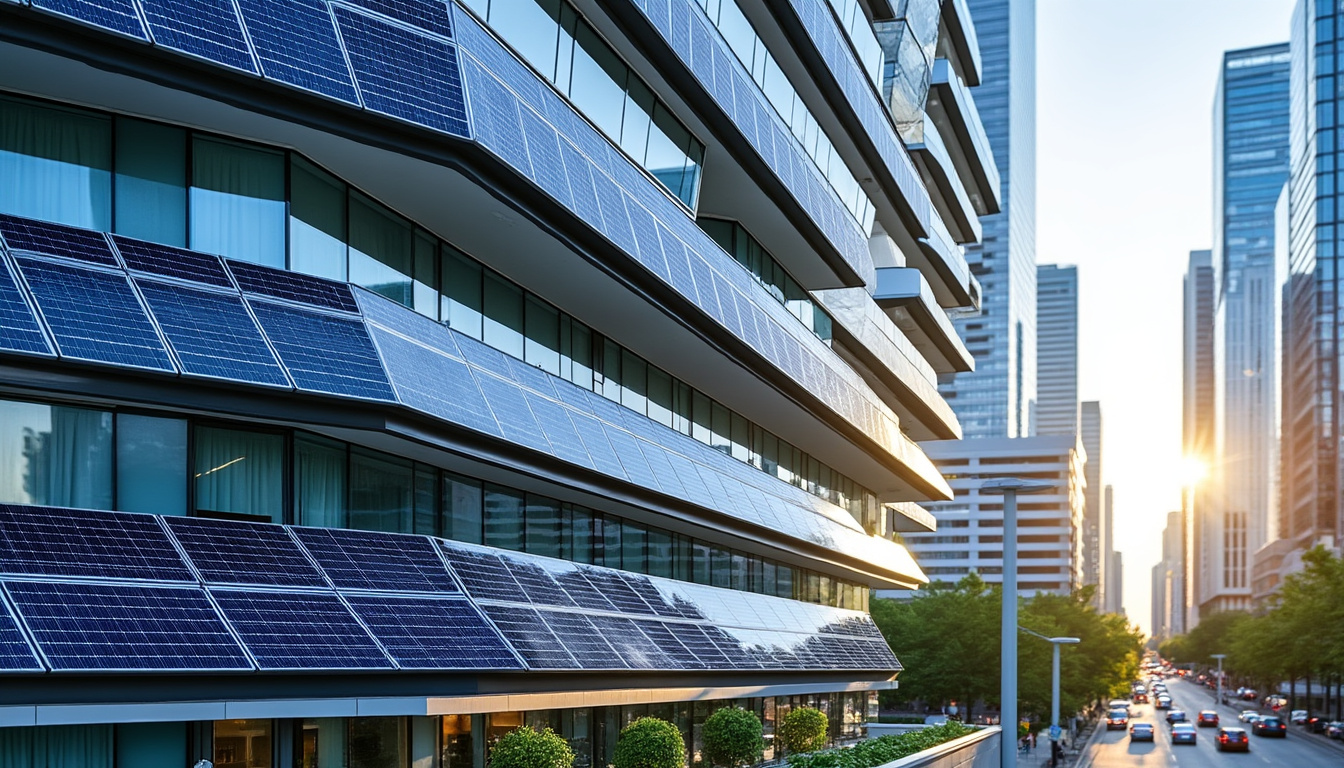
Examples of BIPV Implementation
Leading manufacturers like Onyx Solar, Hanwha Q CELLS, and LG Solar are pioneering BIPV technologies. Notably, Onyx Solar offers a range of transparent solar glass solutions that can be integrated into both new constructions and retrofits, providing versatile options for builders. Such products convert sunlight into energy while allowing natural light to flood buildings, effectively replacing traditional glazing.
Although the aesthetic advantages of BIPV are significant, there are challenges associated with these systems. The upfront costs can be higher than standard solar panels, which may deter some developers from pursuing this route. Additionally, efficiency rates typically lag behind conventional solar setups, with BIPV cells often showing lower energy yield. However, the architectural advantages can outweigh these factors, especially in high-profile projects. The Tesla Solar Roof is a prime example of BIPV’s growing popularity among homeowners, showcasing its feasibility within residential construction.
Maximizing Rooftop Solar Potential for Urban Buildings
Rooftops have traditionally been the most common area for solar panel installations, but innovative solutions are essential in urban environments marked by limited space. In recent years, the concept of rooftop solar farms has gained traction, particularly in high-density areas. These community solar systems reduce energy costs and share renewable resources among multiple residents.
As cities strive for sustainability, combining green roofs with solar arrays has emerged as a promising approach. Green roofs not only provide insulation and stormwater management but also enhance the efficiency of solar panels. The vegetation cools the surrounding area, which can lead to improved energy production.
- Community Solar Initiatives: Enabling residents to benefit from shared solar resources, significantly improving access to renewable energy.
- Green Roofs: Mitigating the urban heat island effect while enhancing energy efficiency through integrated solar technology.
- Rooftop Gardens: Providing habitats for urban biodiversity alongside renewable energy production.
Some successful projects illustrate these concepts in action. In San Diego, the Solar on Multifamily Affordable Housing (SOMAH) program has facilitated the installation of solar systems on apartment complexes, helping tenants save on energy costs. Another noteworthy example is the REC Group, which partnered with local governments to initiate rooftop solar projects that address low-income housing. Such initiatives underscore the importance of community collaboration in maximizing rooftop solar potential.
The Role of Technology in Rooftop Solar
Advanced technologies such as monitoring systems from SolarEdge and energy storage solutions from Enphase Energy play a critical role in enhancing rooftop solar efficiency. These technologies allow for real-time tracking of energy production and consumption, optimizing system performance. Many new buildings are equipped with smart technologies that facilitate energy management, further boosting the effectiveness of rooftop solar systems.
The future of rooftop solar in urban settings hinges on collaboration between city planners, energy providers, and technology companies. Effective policy frameworks and incentives will be vital to encourage the adoption of these innovative solar solutions. Moreover, education initiatives aimed at property owners can illuminate the benefits of solar energy installations, promoting wider acceptance within urban communities.
| Technology | Benefits |
|---|---|
| SolarEdge Monitoring | Real-time energy management and performance optimization. |
| Enphase Energy Storage | Enhanced energy independence and backup during outages. |
| Smart Energy Management Systems | Improved efficiency in energy consumption across buildings. |
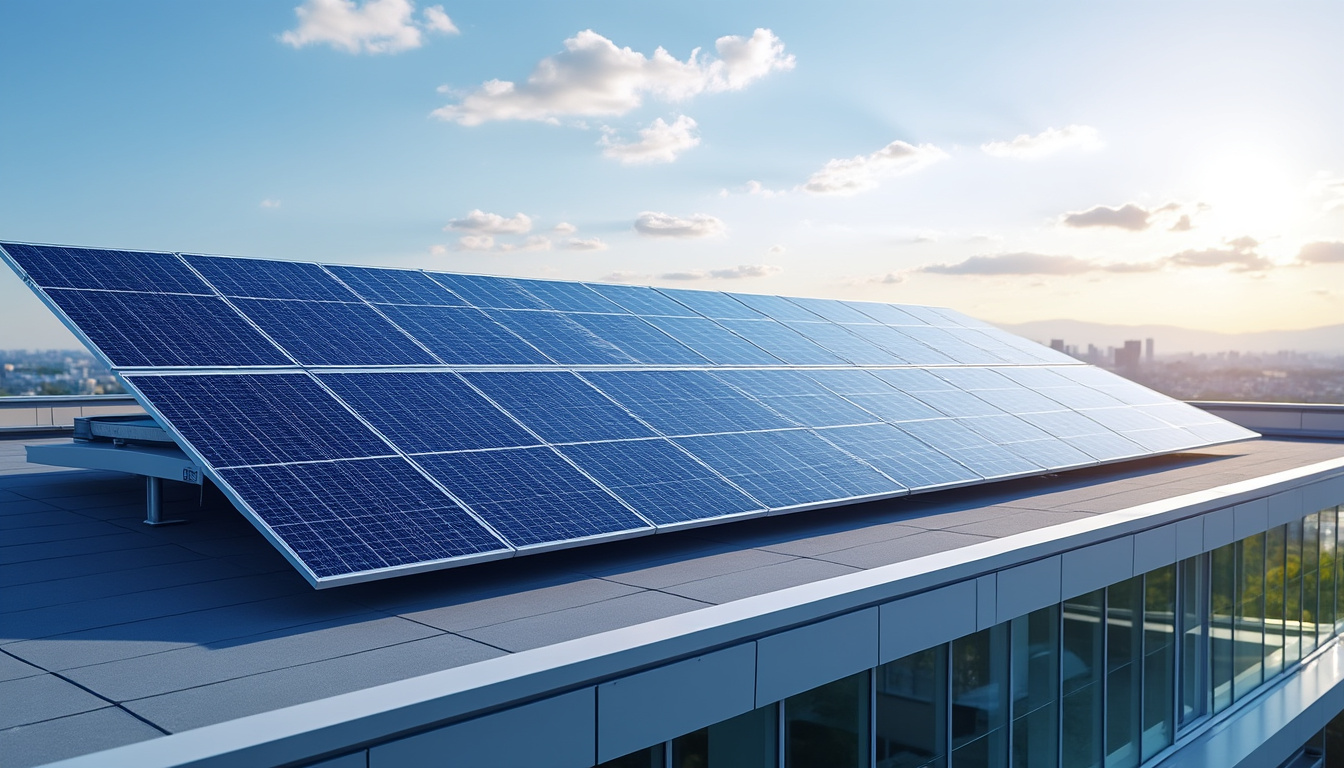
Innovative Solar-Powered Public Spaces in Urban Areas
As cities increasingly embrace solar energy technology, public spaces are also seeing the integration of solar power solutions. Solar canopies, which provide shade in parks and public areas, illustrate how functionality can meet sustainability. These installations not only offer protection from the elements but also serve as charging stations for electronic devices and power public lighting.
Public transportation systems are another avenue where solar power is making significant strides. Bus shelters equipped with solar panels allow for energy generation while enhancing passenger comfort. Train stations are now often outfitted with photovoltaic systems, demonstrating that solar integration extends beyond buildings to infrastructure.
- Solar Canopies: Offering shade and sustainable energy for public amenities.
- Solar-Powered Charging Stations: Convenient access to power for citizens while promoting renewable energy.
- Photovoltaic-Integrated Transit Stations: Efficiently harnessing solar power for urban transit networks.
For instance, cities like Austin and Los Angeles have implemented solar-powered benches that provide charging ports for visitors, emphasizing the importance of accessibility to sustainable energy. Moreover, initiatives such as “solar roads” that utilize photovoltaic pavement technology are being explored, paving the way for an entirely new category of renewable energy generation.
Public Engagement and Education on Solar Initiatives
Public engagement is crucial for successful solar initiatives. Programs aimed at educating residents on the benefits of solar technology can foster a greater understanding of renewable energy solutions and their impact on urban life. Community workshops and informational sessions can empower residents to advocate for solar projects in their neighborhoods.
Investments in public education not only amplify awareness but also encourage citizen participation in local sustainability efforts. As solar technology continues to evolve, cities must ensure that residents are informed and educated on available resources and initiatives.
In summary, innovative solar-powered public spaces reveal that urban centers can harmoniously blend functionality with sustainability. By harnessing solar technology, cities are improving the quality of life for residents while taking significant steps toward long-term environmental goals.
Challenges and Opportunities in Urban Solar Integration
Despite the significant advantages of integrating solar technologies into urban architecture, there are notable challenges that stakeholders must navigate. Limited space, high upfront costs, and regulatory hurdles often impede the widespread adoption of solar systems in metropolitan areas. However, advancements in technology and increasing government incentives are paving the way for substantial progress.
Firstly, space constraints present a significant challenge in urban areas, where buildings are closely packed, and rooftops are often utilized for other purposes. As a solution, urban planners are now adopting creative approaches, such as planning green roofs and ensuring that building designs maximize solar exposure while accommodating other functions.
- Space Utilization: Exploring all available surfaces on buildings to generate solar energy.
- Regulatory Support: Advocating for policy changes that streamline the installation process for solar technologies.
- Investment Incentives: Encouraging public and private sector investments in solar projects.
Additionally, the initial investment for solar installations remains a barrier for many, particularly in economically disadvantaged communities. Programs offering financial assistance, such as tax credits or rebates, can mitigate these costs, making solar solutions more accessible.
Collaborations among architects, developers, and policymakers are crucial in overcoming these hurdles. By fostering partnerships and sharing resources, stakeholders can implement innovative solar projects that benefit urban communities and promote energy autonomy.
The Future of Solar Energy in Urban Environments
Looking ahead, the successful integration of solar technologies into urban architecture will play a pivotal role in the energy transition. As cities aim to reduce their reliance on non-renewable sources, innovations in BIPV and rooftops present exciting opportunities. The demand for sustainable solutions will likely drive further advancements in efficiency, cost reduction, and versatility.
As urbanization continues to shape our societies, the commitment to solar energy will be essential for achieving climate goals. Today’s innovations will set the foundation for the next generation of sustainable cities, ensuring that as we build upward, we also remain focused on creating environmentally friendly environments.
| Opportunity | Impact |
|---|---|
| Holistic Building Design | Maximizes energy efficiency through integrated solar solutions. |
| Community Initiatives | Promotes awareness and accessibility to solar resources. |
| Technological Innovations | Enhances efficiency and reduces costs, expanding adoption rates. |
Frequently Asked Questions
What is BIPV?
BIPV stands for Building-Integrated Photovoltaics, which refers to solar technology integrated into building materials such as façades, roofs, and windows. It serves dual purposes as both construction material and energy generator.
How efficient are BIPV systems compared to traditional solar panels?
While BIPV systems offer aesthetic benefits and design flexibility, their energy efficiency is generally lower than that of traditional solar panels. Traditional panels tend to have higher energy output due to their optimized design and technology.
Can solar panels be installed on all roofs?
Most roofs can accommodate solar panels, but factors such as orientation, shading, and structural integrity must be considered. Professional assessments can help determine the best configurations for installation.
What are some examples of popular solar panel brands?
Notable solar panel manufacturers include SunPower, Canadian Solar, Tesla Solar, and LG Solar, among others. These brands are renowned for their quality and innovative products.
How can I find more information about installing solar panels?
To explore options for solar panel installation, platforms like EnergySage can provide valuable resources and quotes from vetted local companies.