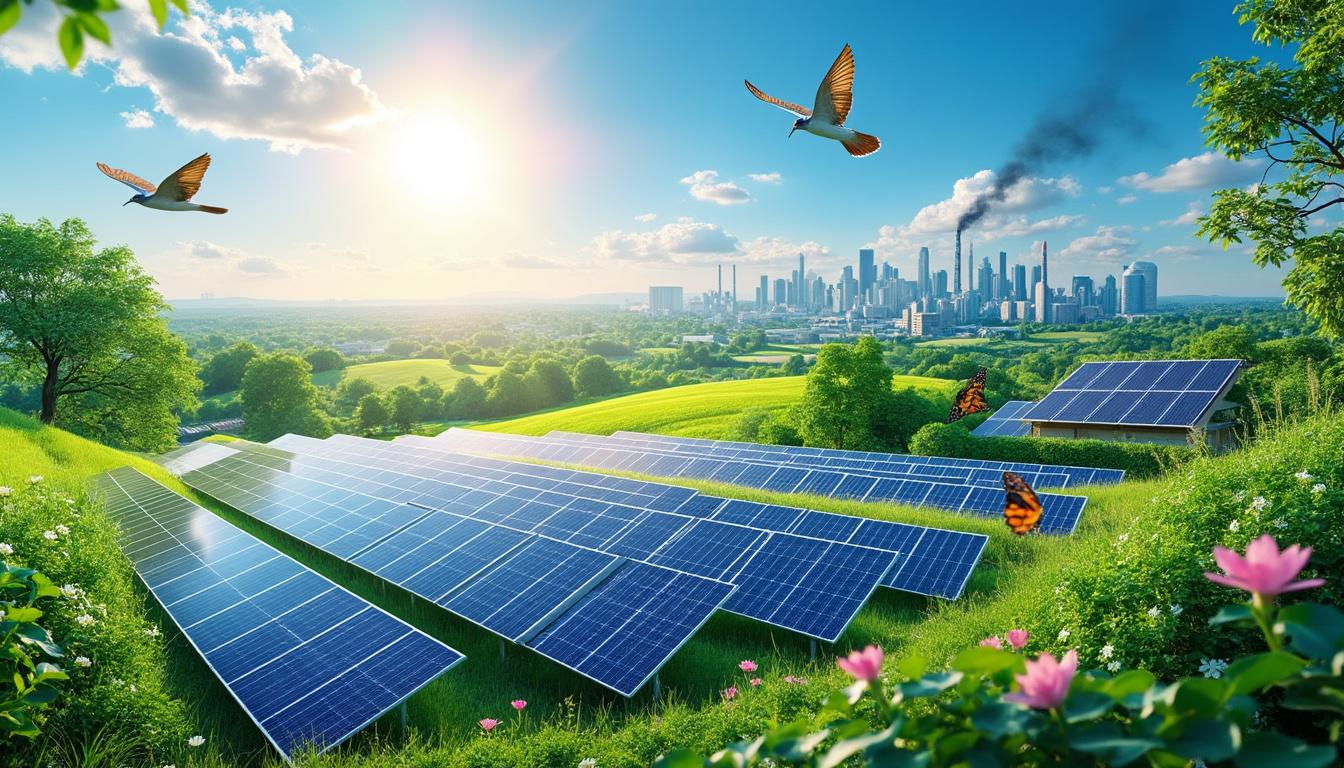
In the face of climate change and rising energy costs, the world is increasingly turning to renewable energy sources, with solar energy leading the charge. Photovoltaic (PV) panels, commonly referred to as solar panels, are at the forefront of this energy revolution. Utilizing the sun’s abundant energy, PV panels convert sunlight into electricity, providing a clean, sustainable energy solution that can be deployed in a variety of environments, from individual homes to large-scale solar farms.
This article explores the various applications of solar panels and how they are deployed across different sectors and geographical areas.
Understanding PV Panels: Foundations of Solar Technology
At the core of solar technology are photovoltaic panels, which operate based on the photovoltaic effect. These panels consist of numerous solar cells, usually made from silicon, that convert sunlight directly into electricity. Each solar cell contains semiconductor materials that absorb sunlight, leading to the release of electrons and subsequently generating an electric current.
When installed, solar panels are typically configured to capture sunlight efficiently, often functioning as part of a larger solar power system that includes components such as inverters and batteries. The overall system provides a wide range of applications across various sectors.
The Versatile Applications of PV Panels
Solar panels are increasingly versatile and find use in various applications, each suited to specific needs and contexts. Below are some significant areas where solar panels are deployed:
- Residential Installations: Homeowners are increasingly adopting solar panels to reduce electricity bills and increase energy independence. With subsidies and net metering options, the affordability and attractiveness of home solar solutions have skyrocketed.
- Commercial Buildings: Businesses deploy solar panels to lower operational costs and enhance sustainability. Writing off energy costs is attractive, especially for large facilities requiring substantial power.
- Utility-Scale Solar Farms: Large installations of solar panels, or solar farms, can generate enough electricity for entire communities or cities. These farms harness vast tracts of land to capture solar energy effectively.
- Off-Grid Systems: In remote regions, solar panels play a crucial role in energy independence, powering homes, schools, and medical facilities without reliance on traditional electrical grids.
These varied applications underline how solar technology can adapt to multiple environments, making it a critical component of modern energy strategies.
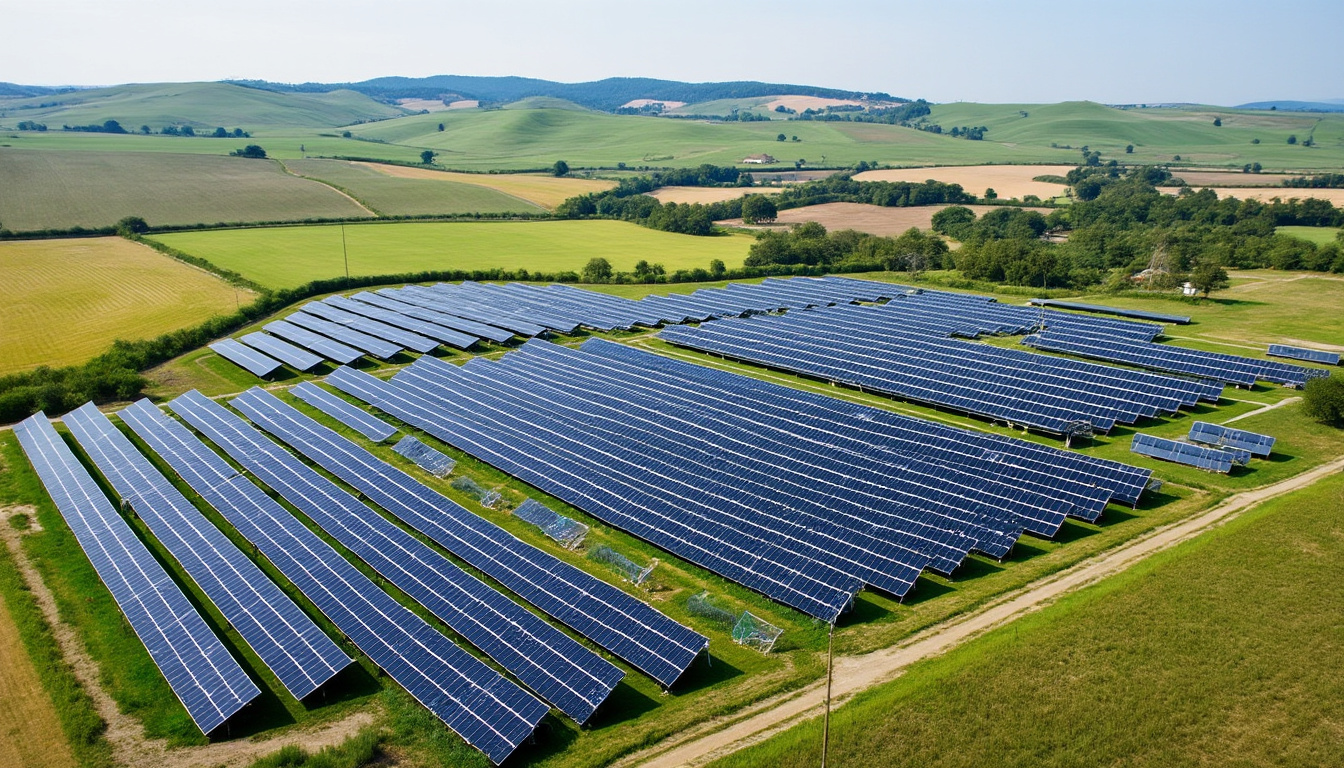
Exploring Where Solar Panels Are Deployed Globally
Geographical deployment of solar panels varies significantly, influenced by factors like sunlight availability, local policies, and economic conditions. Certain regions, especially those in sunny climates, exhibit higher adoption rates leading the way in solar energy utilization.
Leading Nations in Solar Energy Adoption
Various countries are at the forefront of solar energy adoption, leveraging technological advancements and favorable policy frameworks:
| Country | Installed Solar Capacity (GW) | Year Established as Leading Producer |
|---|---|---|
| China | 250 | 2015 |
| United States | 121 | 2021 |
| Japan | 74 | 2013 |
| Germany | 61 | 2012 |
| India | 56 | 2019 |
Notably, China stands as a global leader in solar energy, having established extensive solar farms, thereby achieving a large cumulative capacity. Following closely are the United States and Japan, with varied combinations of residential and utility-scale installations.
Adopting policies that encourage solar energy growth are critical to supporting regional deployment. For instance, U.S. states like California and Texas are pioneers in integrating solar technologies into their power grids, vastly contributing to the country’s progress in solar energy adoption.
The Technical Aspects of PV Panel Deployment
While understanding the deployment of solar panels is essential, knowing the technical aspects helps stakeholders ensure their efficiency and longevity. Deploying solar panels involves several considerations that can directly affect performance.
Installation Techniques and Considerations
The installation process for solar panels is critical in maximizing their output:
- Site Assessment: Identifying the site for installation involves assessing sunlight exposure, orientation, and shade. Tools like solar pathfinders help evaluate potential obstructions.
- Mounting Options: Depending on the installation location, different mounting systems (roof-mounted, ground-mounted) can be used to secure the panels. Each mounting type has distinct advantages based on the specific requirements of the site.
- Electrical Connections: Panels are wired together, typically in series or parallel configurations, and connected to an inverter that transforms the DC electricity generated into AC, suitable for use in homes and businesses.
Financial Considerations in Solar Panel Deployment
The financial aspect of solar panel deployment plays a significant role in energy decisions for both individuals and companies. Understanding the costs associated with solar installations can help leaders analyze potential savings.
Cost Breakdown and Incentives
The cost of deploying solar panels involves various components, including equipment, installation, and maintenance. Here’s a breakdown:
| Cost Component | Estimated Cost |
|---|---|
| Solar Panels | $4,200 – $7,200 (for 6 kW system) |
| Installation & Labor | $2.50 – $3.50 per watt |
| Inverter | $1,000 – $2,500 |
| Maintenance (Annual) | $200 – $500 |
Solar projects often qualify for various financial incentives, such as tax credits, rebates, and net metering programs, which can significantly reduce the initial investment required for deployment.
The Role of Major Solar Panel Manufacturers in Deployment
Many companies manufacture solar panels, contributing to improved technologies and driving down costs. Some key manufacturers include:
These manufacturers play a vital role in the global photovoltaic market, influencing both supply chains and technology advancements, making solar energy accessible and feasible on a broader scale.
What are the main advantages of using PV panels?
PV panels provide several advantages, including reducing electricity bills, lowering carbon emissions, and increasing energy independence.
How does the efficiency of solar panels compare between types?
Typically, monocrystalline panels are the most efficient, followed by polycrystalline, and thin-film panels, which are less efficient but more versatile.
What factors influence the installation of solar panels?
Key factors include local climate, sunlight exposure, available roof space, and existing infrastructure, which all affect energy production and overall system performance.
What is the typical lifespan of solar panels?
Solar panels generally have a lifespan of 25 to 30 years, although their effective efficiency may gradually decrease over time.
Can solar panels work in cloudy or rainy weather?
Yes, solar panels can still generate electricity in cloudy or rainy conditions, though their efficiency may be reduced compared to sunny days.
Solar Panel Savings Calculator
Calculate your solar panel savings based on average energy usage and local electricity costs. Input your average monthly electricity bill and system size to estimate potential savings.