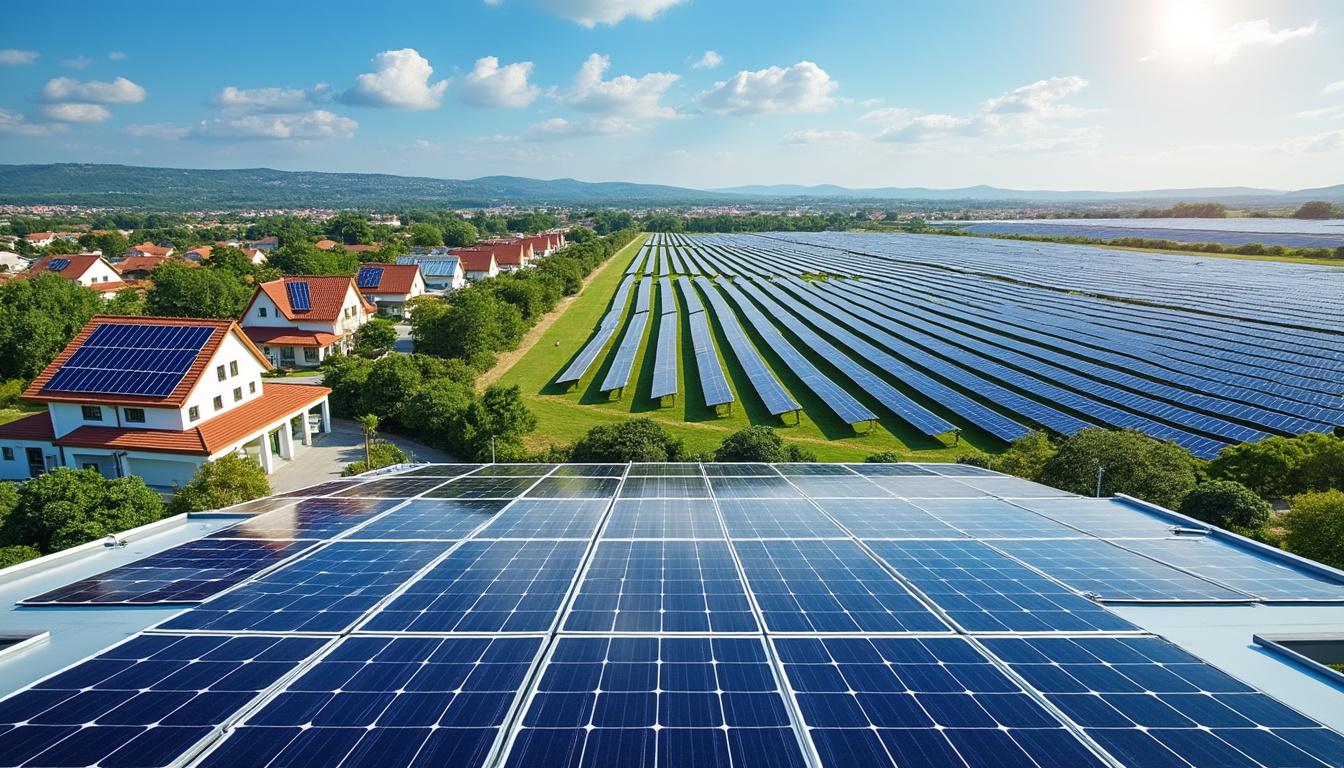
The use of solar panels has dramatically evolved over recent years, transforming from a niche solution to one of the most feasible alternatives for power generation across various applications. Today, solar panels are not only a staple on residential rooftops but have also become significant for commercial enterprises and utility-scale applications, revolutionizing how electricity is produced and consumed. In 2025, as efforts toward sustainability intensify amid climate change challenges, understanding how solar panels are used can aid both individuals and organizations in making informed decisions. The data on solar energy usage demonstrates its capability to cater to a plethora of needs ranging from individual power consumption to large-scale utility supplies. This article delves into the diverse ways solar panels are being utilized in households, businesses, and utilities. Each segment reveals enlightening perspectives and can potentially inspire the transition to cleaner energy alternatives across global energy landscapes.
Utilization of Solar Panels in Residential Settings
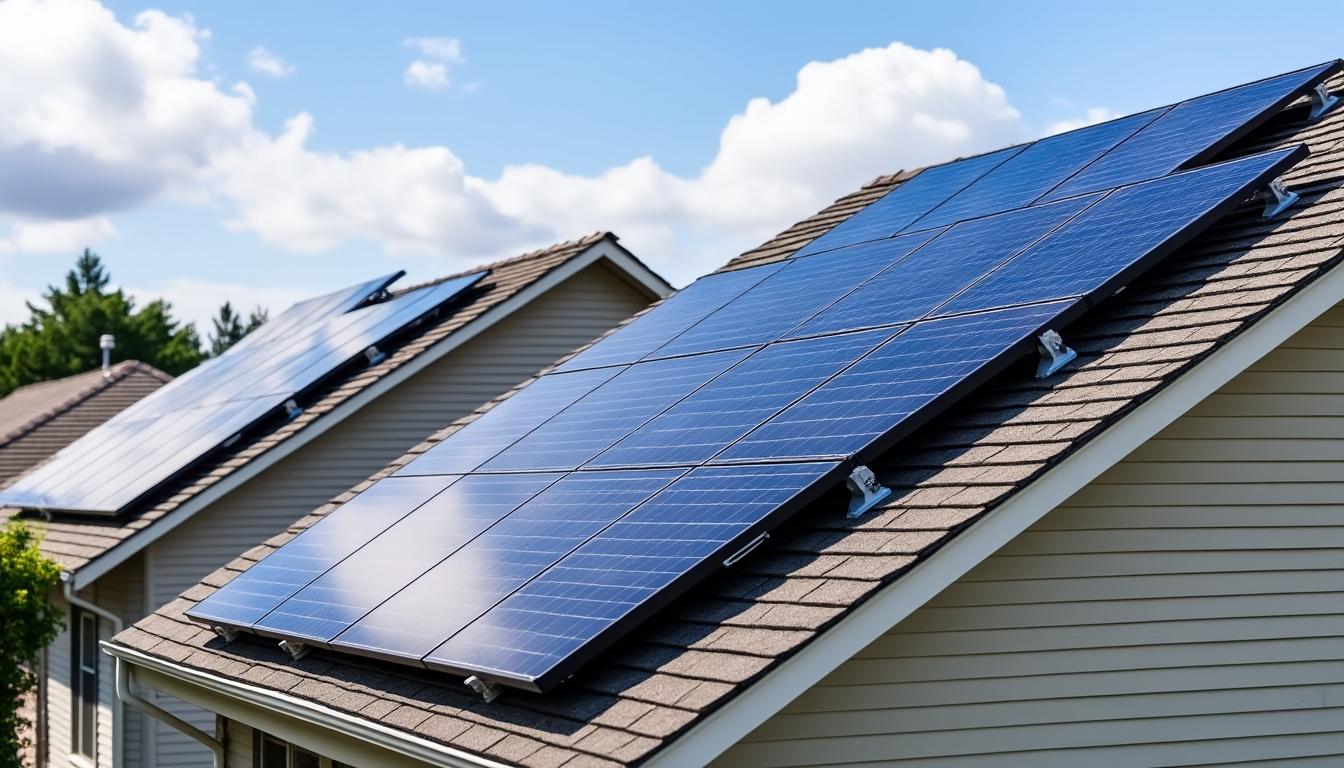
Solar panels in residential contexts are primarily installed on rooftops, where they harness sunlight to convert it into electricity. This not only supports individual energy needs but also contributes to overall energy independence, giving homeowners the ability to produce their electricity rather than relying completely on the grid. A typical residential solar power system can generate a substantial amount of energy. For instance, a well-installed 8 kW solar system can yield between 9,000 to 11,000 kilowatt-hours (kWh) of electricity annually, effectively covering most households’ electricity needs. According to the U.S. Department of Energy, an average household consumes about 30 kWh daily.
There are several advantages for homeowners choosing solar systems:
- Reduced Utility Bills: By generating their own electricity, homeowners can significantly cut down their monthly utility expenses. This can result in annual savings that often range between $1,000 and $2,000.
- Eco-friendly Living: Solar panels emit no carbon dioxide or greenhouse gases while generating electricity, thereby aligning with increasing demands for sustainable living and eco-conscious lifestyles.
- Increased Property Value: Homes with solar panel installations are often valued higher than those without, as prospective buyers are attracted to the prospect of reduced energy costs and sustainable practices.
- Energy Independence: Home solar installations can contribute to national security by decreasing dependence on foreign oil and fossil fuels, promoting renewable energy sources.
Moreover, the integration of battery storage systems allows households to store excess energy generated during sunny days for use during nighttime or cloudy periods. This feature is particularly important during emergency situations, where power outages may disrupt access to electricity. A reliable solar power system can sustain basic functions, enabling homeowners to keep essential appliances running.
| System Size | Annual Energy Output (kWh) | Savings Estimate ($) |
|---|---|---|
| 4 kW | 4,800 – 6,000 | 500 – 1,000 |
| 6 kW | 7,200 – 9,000 | 700 – 1,500 |
| 8 kW | 9,000 – 11,000 | 1,000 – 2,000 |
Long-Term Benefits of Solar Energy for Households
As households further embrace solar technology, the benefits extend beyond immediate cost savings. Homeowners become part of a larger movement advocating for renewable energy, contributing towards a cleaner planet. Moreover, many regions offer government incentives for solar panel installation, further sweetening the deal for families contemplating this shift. The federal solar investment tax credit allows homeowners to deduct a significant percentage of the solar system’s cost from your federal taxes, making the financial transition smoother.
Commercial Usage of Solar Panels
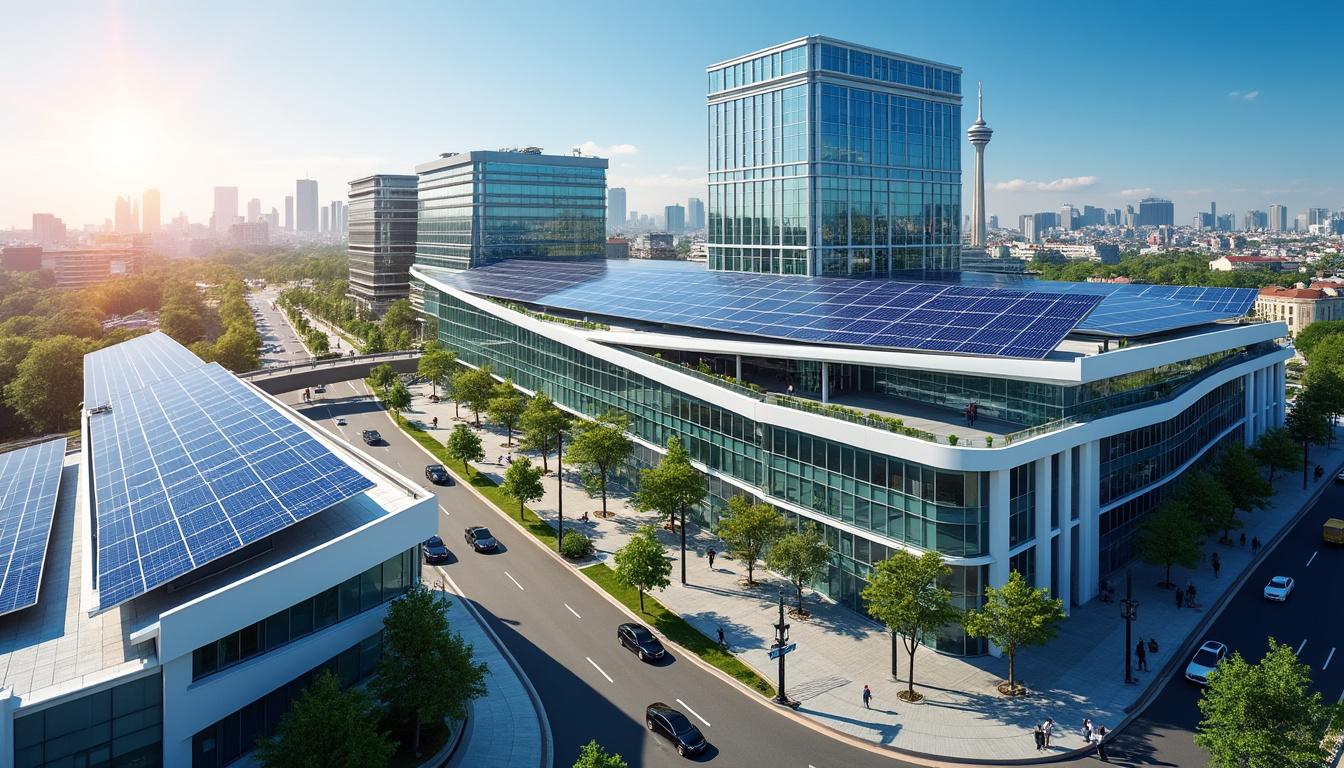
In the business sphere, solar panels represent a critical investment for operating companies across various industries. Implementation extends from small businesses to major corporations, each harnessing solar energy to power operations, maintain streamlined financial practices, and present a sustainable image to their customers. For instance, an average commercial building that installs a robust solar energy system can reduce energy costs drastically while aligning corporate social responsibility goals with operational efficiencies.
Here are some impactful ways commercial entities utilize solar power:
- Cost Reduction: Like residential settings, businesses can reduce their electricity bills significantly. Major corporations, such as Amazon and Walmart, have made substantial investments in solar energy to power their enormous distribution centers.
- Load Management: Solar power systems can alleviate the pressure on the traditional grid during peak hours, helping businesses operate more efficiently and possibly reducing demand charges from their utility providers.
- Brand Image: Businesses implementing solar technology can enhance their sustainability profile, appealing to environmentally conscious consumers and partners.
Consider businesses like Trina Solar and LG Solar, which specialize in providing solar energy solutions optimized for commercial applications. These companies have positioned themselves at the forefront of this energetic transition, supplying cutting-edge technologies to enhance the efficiency and effectiveness of solar panels.
| Business Type | Average Energy Use (kWh) | Potential Annual Savings ($) |
|---|---|---|
| Retail Stores | 50,000 – 100,000 | 10,000 – 20,000 |
| Manufacturing | 200,000 – 500,000 | 50,000 – 100,000 |
| High-Tech Firms | 100,000 – 300,000 | 20,000 – 40,000 |
Challenges and Solutions for Businesses Implementing Solar Power
While the benefits are substantial, businesses must also navigate challenges including upfront installation costs, regulatory obstacles, and technological uncertainties. Sunrun, one of the leading solar energy providers, often engages with businesses to offer tailored solutions, helping to mitigate costs through leasing options, installation financing, and government rebate navigation.
Utility-Scale Solar Power Generation
At a scale that dwarfs residential and commercial applications, utility-scale solar projects demonstrate the vast potential of solar energy for large regional and national electricity provisions. Utilities are progressively transitioning to solar energy as a vital tool for achieving sustainability goals while ensuring reliable energy supplies.
Utility-scale solar plants can generate electricity to support thousands of homes, significantly impacting energy distribution. For example, a First Solar installation can produce hundreds of megawatts, making it comparable to traditional fossil fuel power plants but with substantially lower environmental footprints.
Some of the key characteristics of utility-scale solar energy systems include:
- Large-Scale Electricity Production: These systems are designed to provide significant power outputs, often exceeding 1 MW, and can support entire communities.
- Innovation in Technology: Utility-scale systems leverage advanced technologies like solar tracking, which optimizes the angle of solar panels over the course of the day to maximize sun exposure.
- Support for National Energy Policies: By incorporating large solar plants into energy grids, utilities uphold commitments to reduce carbon emissions and promote renewable energy investment.
| Project Name | Location | Capacity (MW) |
|---|---|---|
| Topaz Solar Farm | California, USA | 550 |
| Celina Solar Project | Ohio, USA | 300 |
| Mount Signal Solar | California, USA | 200 |
The Future of Utility-Scale Solar Power
As we surmise the future, the fascination with solar technology only grows. Companies like Q CELLS and JinkoSolar continuously push the boundaries of efficiency and output, fostering progress in this vital sector. The integration of solar with other renewables, such as wind and battery storage, positions the energy market towards a diversified and robust future.
Environmental and Economic Impacts of Solar Energy
The impacts of solar energy span both ecological and economic dimensions, painting a complex picture of its role in modern society. As solar energy expands its reach, the environmental benefits become increasingly apparent. According to Statista, renewable technologies are expected to play a crucial role in future electricity generation. Here are some notable environmental impacts:
- Reduction in Greenhouse Gas Emissions: Transitioning to solar decreases reliance on fossil fuels, contributing to lower overall carbon emissions.
- Conservation of Resources: Solar power generation conserves vital natural resources, promoting sustainable use of the planet.
- Energy Resilience: By diversifying energy supply and incorporating renewables, communities can create more resilient energy grids less susceptible to systemic failures.
Economically, solar energy offers several advantages:
- Job Creation: The renewable energy sector has seen exponential growth, providing new employment opportunities in manufacturing, installation, and maintenance.
- Energy Independence: Sustainable energy solutions support broader economic stability by reducing reliance on imported fuels.
- Cost Competitiveness: The declining prices of solar technology, alongside growing efficiency, make solar power an increasingly attractive option for both residential and commercial energy needs.
| Impact Type | Expected Benefit |
|---|---|
| Environmental | Lower carbon emissions |
| Economic | Increased job opportunities |
| Energy Security | Less dependency on fossil fuels |
What are the main benefits of residential solar panels?
Residential solar panels can significantly reduce electricity bills, provide energy independence, and contribute to environmental sustainability.
How do commercial solar installations save businesses money?
Businesses can reduce energy costs, manage their load effectively, and improve their brand image by using solar energy.
What is utility-scale solar power?
Utility-scale solar power refers to large-scale solar installations designed to supply energy to thousands of households, often exceeding 1 MW in capacity.
Innovative Uses of Solar Energy
Households
Solar panels can power your home appliances, reduce electricity bills and increase property value.
Businesses
Smart businesses leverage solar energy to enhance sustainability and reduce operational costs.
Utilities
Solar energy is key for utility-scale projects, providing clean power for communities.