

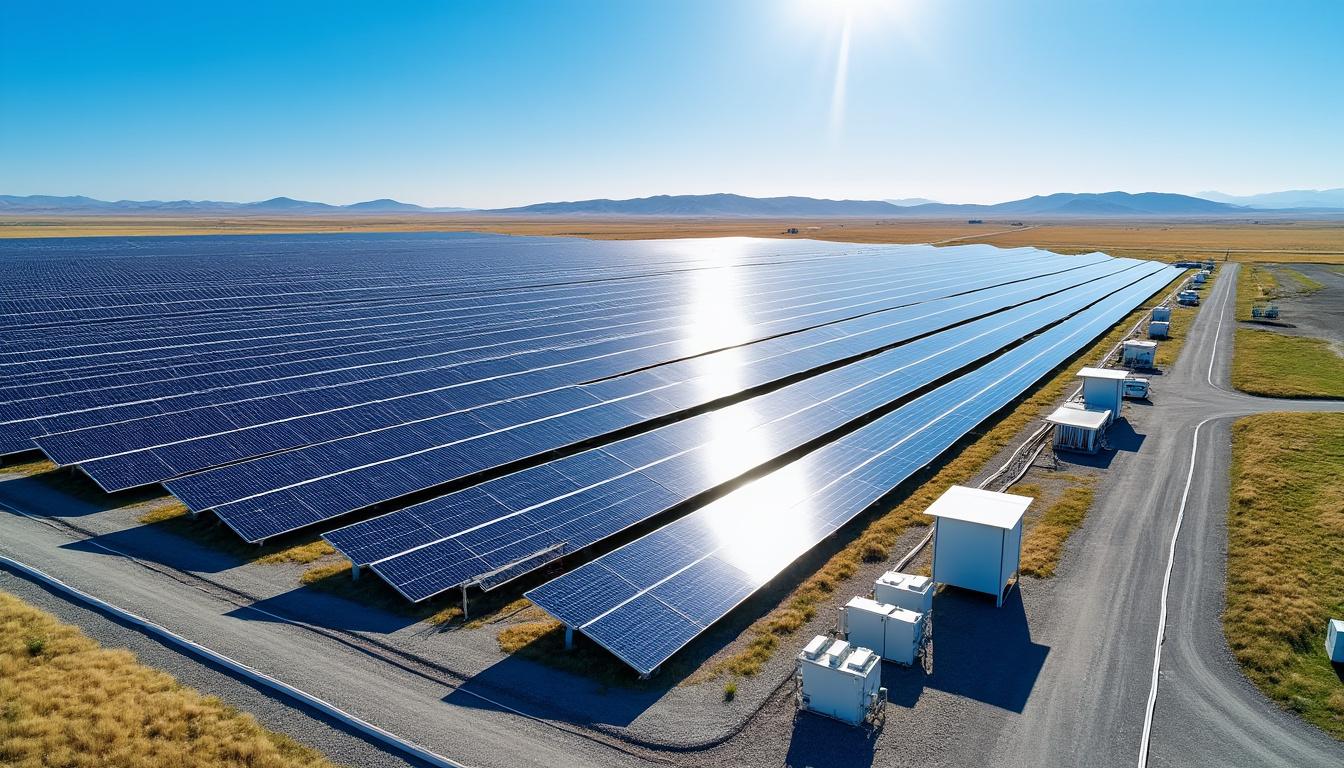
As the global energy landscape continues to evolve towards sustainability, the importance of a well-designed Balance of Plant (BoP) in solar power projects cannot be overstated. A BoP encompasses a variety of components that support the operation of solar photovoltaic (PV) sites, ensuring efficiency, safety, and compliance with grid requirements. This article delves into the essential elements of a solar BoP, highlighting its role in energy generation, distribution, and maintenance. Through a comprehensive understanding of the BoP components, stakeholders can better appreciate their functionality and significance in solar energy systems.
Understanding the Balance of Plant in Solar Power
The term Balance of Plant (BoP) refers to all the equipment and systems required to support the primary energy-generating units in a solar power plant, excluding the photovoltaic panels. This includes everything from transformers and inverters to electrical infrastructure and monitoring systems. The BoP is critical for ensuring the effective integration of solar energy into the power grid.
The BoP acts as the intermediary that facilitates the transmission of electricity generated by the solar panels to the electrical grid. This process is vital for achieving the ultimate goal of solar energy systems: providing reliable and sustainable power to end-users. Without a well-structured BoP, even the most advanced PV technology would struggle to deliver energy efficiently.
When discussing the components of a solar BoP, we can categorize them into various essential facets:
- Electrical Equipment: This includes transformers, switchgear, circuit breakers, and interconnection systems that manage power flow and ensure safety measures are in place.
- Inverters: These are crucial devices that convert direct current (DC) generated by PV panels into alternating current (AC) suitable for grid consumption.
- Monitoring Systems: These systems facilitate real-time data tracking on the performance of various components, enabling proactive maintenance and operational efficiency.
Overall, the proper integration of these elements ensures that a solar power plant operates effectively. A detailed understanding of each component’s role allows stakeholders, including developers and engineers, to design systems that maximize efficiency while adhering to safety standards and regulatory requirements.
Key Components of Solar Balance of Plant Systems
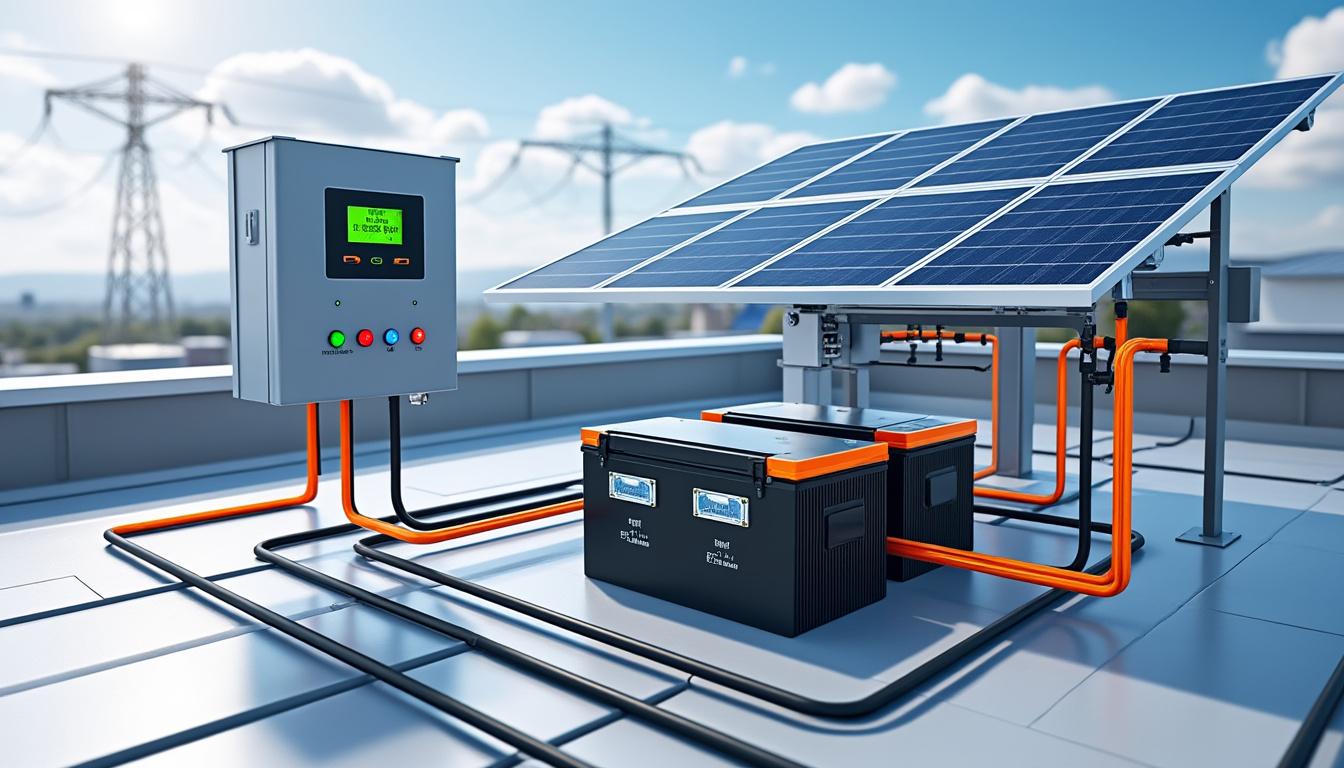
The complexity of the Balance of Plant in solar power facilities emerges from the interplay of various system components. Here, we examine the primary elements that constitute a well-rounded BoP, including their functions, applications, and significance in solar energy generation.
Electrical Equipment and Transformers
Electrical systems form the backbone of a solar BoP, simply because they handle power distribution and regulation. Components like transformers are essential for adjusting voltage levels to match grid requirements. Solar facilities commonly use different types of transformers, such as power transformers for main voltage transformations and auxiliary transformers for equipment supply.
Furthermore, switchgear and circuit breakers are vital for protecting circuits from overloads and faults. They ensure safe operations by isolating defective sections, preventing potential damage to sensitive electronic devices. The functionality of electrical panels within the solar facility further ensures reliable delivery of electricity to various components.
| Component | Function | Importance |
|---|---|---|
| Transformers | Step-up/step-down voltage levels | Facilitate efficient grid integration |
| Switchgear | Protect electrical circuits | Ensure operational safety |
| Circuit Breakers | Isolate faulty circuits | Prevent equipment damage |
Ultimately, electrical equipment components are integral to the effective functioning of solar BoP systems. Their appropriate sizing and configuration ensure stable energy transmission, paving the way for better integration with local power grids.
Inverters and Their Role in Solar Power Generation
Inverters are among the most critical components of a solar energy system, serving as the bridge between the photovoltaic panels and the electrical grid. These devices convert the direct current (DC) generated by solar panels into alternating current (AC), which is suitable for use in homes and industries.
There are different types of inverters, including string inverters, central inverters, and microinverters. Each type has specific applications depending on the scale and design of the solar installation. For instance:
- String Inverters: Suitable for smaller systems, these convert the output of multiple panels connected in series.
- Central Inverters: Often deployed in large solar farms, they manage the output from several strings of panels.
- Microinverters: Installed on individual solar panels, these maximize energy production by optimizing the output of each panel.
The choice of inverter impacts the overall performance and yield of a solar power plant. For example, string inverters may offer a cost-effective solution for smaller installations, while microinverters can help maximize efficiency in conditions where shading occurs. Properly selecting and integrating inverters within the solar BoP is crucial to achieving optimal energy production and ensuring compliance with grid standards.
Monitoring and Control Systems in Solar BoP
Effective monitoring and control systems are vital for optimizing the performance of solar power plants. These systems gather real-time data on various operational parameters, enabling operators to make informed decisions regarding maintenance and system efficiency.
Key components of monitoring systems include:
- Data Acquisition Systems: Collect and analyze data from various sensors and components, offering insights into system performance.
- Performance Monitoring Solutions: Use information to evaluate how well the solar plant is functioning compared to expected energy generation.
- SCADA Systems: Enable remote monitoring and control of the solar facility, ensuring timely responses to any anomalies.
By incorporating robust monitoring and control mechanisms, solar power plants can enhance both decision-making and operational reliability. For instance, performance monitoring can detect system inefficiencies early on, thus allowing for prompt maintenance and avoiding extended downtimes.
| Monitoring Component | Purpose | Benefits |
|---|---|---|
| Data Acquisition | Gather real-time data | Informed decision-making |
| Performance Monitoring | Assess energy generation efficiency | Identify inefficiencies early |
| SCADA | Remote management of facilities | Timely response to anomalies |
In conclusion, utilizing advanced monitoring and control systems plays a significant role in achieving higher output efficiency and ensuring the sustainable operation of solar power plants.
Cost Implications and Economic Considerations of Balance of Plant
The financial dimension of a solar plant’s Balance of Plant is multifaceted and significant. Understanding the costs associated with the BoP can help stakeholders plan budgets effectively, ensuring that financial resources are allocated appropriately. The BoP cost typically includes hardware, labor, system design, and installation.
Below is a breakdown of the factors affecting BoP costs in solar installations:
- Land Costs: For ground-mounted systems, securing the physical site can represent a substantial initial investment.
- Equipment Costs: The purchase of electrical equipment, inverters, transformers, and other necessary components can accumulate quickly.
- Installation and Labor Expenses: Hiring skilled labor for installation, as well as the time required to complete the works, adds to the overall cost burden.
Additionally, it’s worth noting that the Balance of Plant typically constitutes about 25% to 50% of the total installed cost of a solar power project, which can vary based on the scale and complexity of the system. Therefore, understanding how to optimize these costs—through strategic planning and component selection—can lead to enhanced overall project economics.
| Cost Component | Estimation of Total Cost | Influencing Factors |
|---|---|---|
| Land | Varies widely | Location, land conditions |
| Equipment | 25%-50% of total cost | Quality, type of components |
| Labor | Depends on complexity | Skill level, market rates |
By carefully analyzing these cost aspects, stakeholders can enhance their budgeting strategies, ensuring that investments in the Balance of Plant lead to greater long-term benefits.
What does Balance of Plant include?
Balance of Plant encompasses all components supporting the main energy-generating unit in a solar power plant, excluding the photovoltaic panels.
Why are inverters important in solar power systems?
Inverters convert direct current from solar panels to alternating current for grid compatibility, making them crucial for energy delivery.
What role do monitoring systems play in the Balance of Plant?
Monitoring systems track operational parameters in real-time, helping to identify issues, optimize performance, and enhance reliability in solar power plants.
How do economic factors affect the Balance of Plant costs?
Economic factors such as land costs, equipment prices, and labor expenses significantly influence the overall cost of Balance of Plant in solar installations.
Can you describe the differences between types of inverters?
String inverters, central inverters, and microinverters are utilized based on system size and specific needs, impacting efficiency and performance.
