

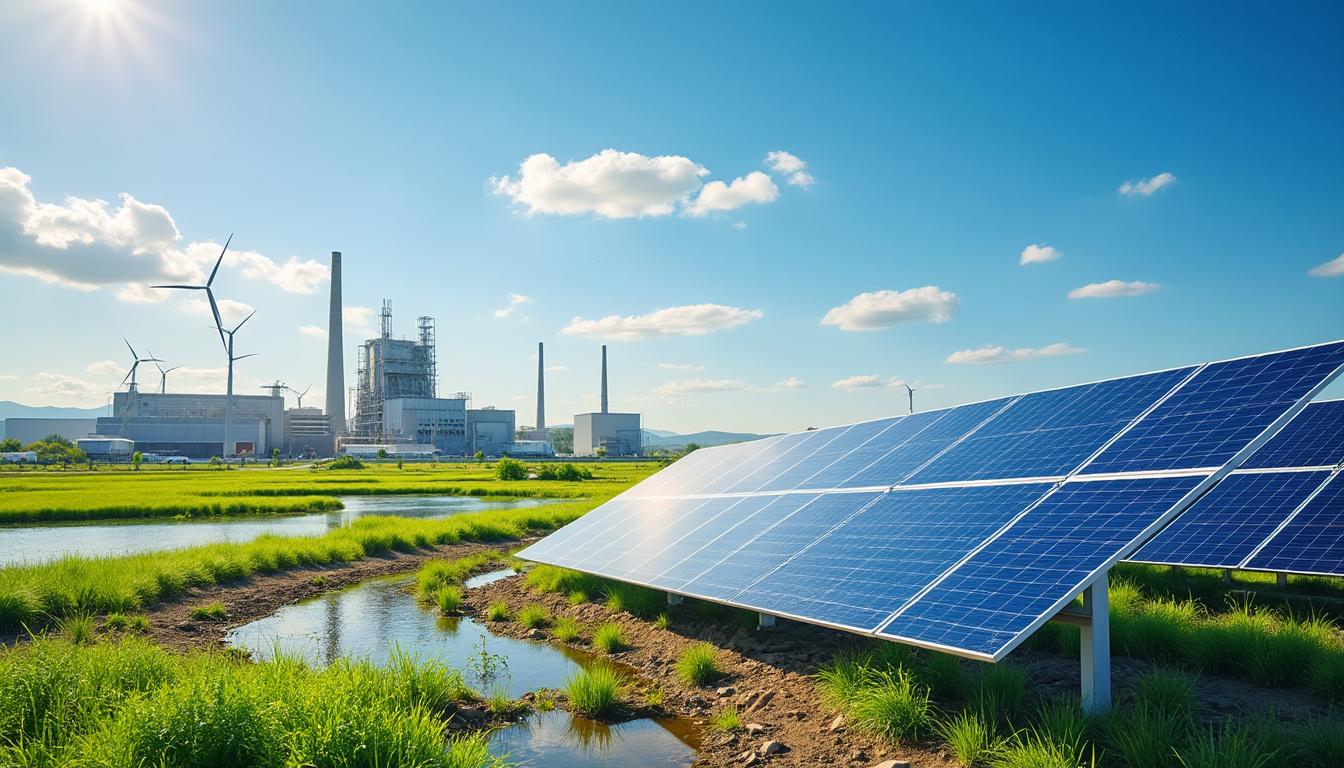
The shift towards renewable energy sources has seen an increasing reliance on solar power, celebrated for its ability to generate electricity without emitting greenhouse gases during operation. However, the journey of solar—from raw materials to end-of-life management—raises significant queries regarding its environmental impact. How clean is solar energy when viewed through the lens of its entire lifecycle? Understanding the complexities of solar power requires an in-depth examination of its manufacturing, operational, and disposal phases. As we delve into this topic, we uncover both the merits and the challenges faced by the solar industry in its quest for sustainability.
The Lifecycle of Solar Panels: Evaluating Environmental Impact
To assess the cleanliness of solar energy, it is critical to conduct a thorough lifecycle assessment (LCA). This framework evaluates the environmental impacts associated with solar panels throughout their entire lifespan, including raw material extraction, manufacturing, transportation, operation, and disposal. Each stage plays a fundamental role in determining the overall sustainability of solar energy systems.
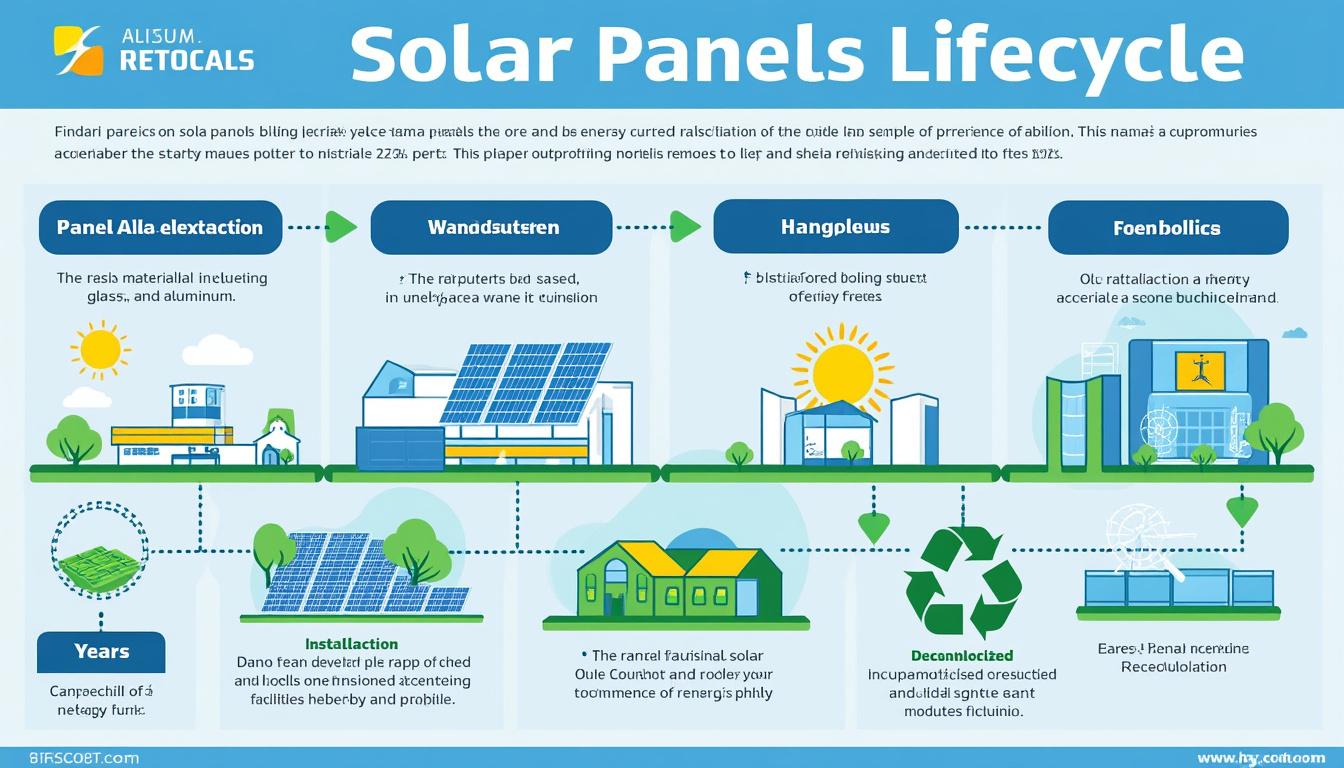
At its core, the lifecycle of solar panels can be divided into several key phases:
- Raw Material Extraction: This initial stage often involves mining silicon, aluminum, and other necessary materials, which can cause environmental damage if not carefully managed.
- Manufacturing: The production of solar panels can be energy-intensive. It encompasses various processes, such as silicon purification and module assembly, contributing to the carbon footprint.
- Transportation: Moving materials and finished products involves fuel consumption, which adds to greenhouse gas emissions.
- Operation and Use: During their operational life, solar panels offer a substantial reduction in carbon emissions, generating clean energy over a span of 25–30 years.
- End-of-Life Management: After their useful life, solar panels must be disposed of or recycled, a stage that necessitates responsible waste management practices.
Recent studies indicate that the average energy payback time for solar panels ranges from 1 to 4 years, illuminating how quickly they can offset the environmental costs incurred during production. This rapid payback period reinforces the potential for solar energy to contribute positively to the fight against climate change.
Raw Material Sourcing: Environmental Considerations
The raw material extraction phase of solar panels is crucial for understanding their overall sustainability. Silicon, which constitutes the primary component of most solar cells, requires significant energy for purification and initial processing. The process begins with the mining of quartz, followed by its transformation into metallurgical-grade silicon. Achieving the 99.9999% purity needed for photovoltaic applications involves energy-intensive methods that contribute to the carbon footprint.
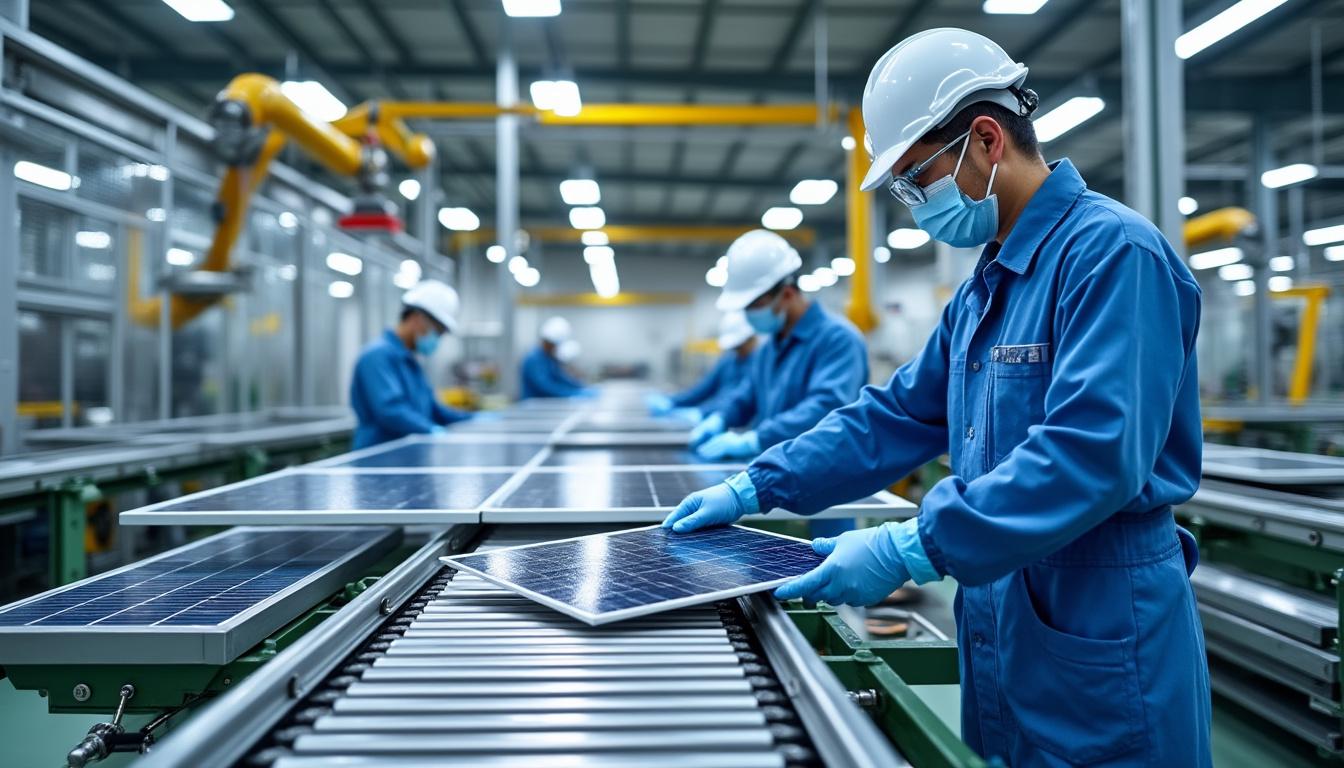
The extraction of other materials—like silver for electrical connections and aluminum for framing—also poses environmental challenges. Mining operations can lead to:
- Habitat Destruction: Excavating land for mining can disrupt local ecosystems, threatening biodiversity.
- Water Contamination: The chemical processes involved in mining can lead to harmful substances leaching into water supplies.
- Carbon Emissions: Heavy machinery required for mining emits greenhouse gases, adding to the energy mix’s overall footprint.
To address these concerns, firms are gradually improving sustainable practices by integrating recycled materials into their products and adopting environmentally-friendly mining regulations. Forward-thinking companies like EcoSun and GreenSolarTech are taking the lead in using responsibly sourced materials, minimizing the ecological impact right from the start of the solar lifecycle.
Manufacturing Phase: Energy Consumption and Innovations
The manufacturing of solar panels represents a significant portion of their entire lifecycle environmental impact, largely due to the electricity consumed in the production process. This includes steps such as wafer fabrication, cell construction, and module assembly—all of which require extensive energy input. Traditional production methods rely heavily on fossil fuels, hence further complicating the sustainability narrative.
During manufacturing, various environmental metrics are assessed, such as:
- Carbon Footprint: The emissions generated throughout production can vary depending on the energy sources utilized at manufacturing facilities.
- Material Waste: Techniques like wire sawing can lead to substantial silicon waste, necessitating effective waste management solutions.
- Innovation in Processes: Recent advancements in manufacturing methods—such as diamond wire sawing and closed-loop chemical systems—demonstrate a push towards minimizing the environmental impact of production.
As underlined by organizations like BrightCycle, the move towards eco-friendly manufacturing can significantly reduce energy consumption in the solar industry. Manufacturing improvements are paving the way for not only more efficient production lines but also for high-quality panels that can withstand environmental stresses for longer periods.
Operation Phase: Clean Energy Generation
The operational phase of solar panels is where their advantages become evident. Once installed, solar panels generate clean electricity with minimal ongoing environmental impact. During their expected 25 to 30-year lifespan, these panels produce energy without emitting harmful greenhouse gases.
Key factors highlighting the benefits of the operational phase include:
- Reduced Greenhouse Gas Emissions: Solar energy systems emit no carbon dioxide or other pollutants during operation, contributing to cleaner air.
- Energy Independence: Solar power provides a renewable resource that can reduce dependence on imported fossil fuels.
- Utilization of Local Resources: Solar panels can be installed across a range of locales without significant grid updates, utilizing sunlight available globally.
Despite these benefits, the operational phase does not come without challenges. Regular maintenance and cleaning are required to ensure optimal efficiency. In arid or dusty regions, the need for water in panel cleaning must be carefully managed to avoid soil and groundwater contamination.
End-of-Life Management: Challenges and Solutions
As solar energy adoption continues to rise, proper end-of-life management of solar panels is becoming increasingly important. The disposal of solar panels poses difficulties, as not all components are easily recyclable. While materials like glass and aluminum are simple to recycle, silicon cells and wiring require complex processes.
Challenges faced in end-of-life management include:
- Complex Recycling Processes: The recycling of photovoltaic materials is often complicated and lacks standardization, resulting in inefficiencies.
- Increased Waste Generation: As the number of panels reaching the end of their life grows, so does the need for effective waste management solutions.
- Investment in Recycling Infrastructure: Regions need to develop robust recycling frameworks to handle the waste responsibly.
Innovative companies like BrightCycle and EcoRaySolutions are tackling these challenges head-on by implementing new recycling techniques that can recover as much as 95% of the materials in solar panels. The emergence of a circular economy within the solar industry is essential for reducing waste and promoting sustainability, allowing valuable materials to be reused in new solar panel production.
Comparative Table of Solar Panel Lifecycle Analysis
| Lifecycle Stage | Environmental Impact | Energy Payback Time (Months) | Recyclability |
|---|---|---|---|
| Raw Material Extraction | High emissions, habitat disruption | N/A | Limited, mostly silicon |
| Manufacturing | Chemical use and waste generation | 6-36 | Partially recyclable |
| Usage | Clean energy production | N/A | N/A |
| End-of-Life | Recycling challenges, e-waste | N/A | In development, some materials can be reused |
What materials are used in solar panels?
Solar panels primarily consist of silicon, aluminum, glass, and silver among other components.
How long does it take for solar panels to pay back their carbon footprint?
Most solar panels can repay their carbon emissions within 1 to 4 years, depending on various factors.
Are solar panels recyclable?
Yes, solar panels are recyclable, though the process varies in complexity. New advancements are making recycling easier and more efficient.
What is the energy payback time for solar panels?
The energy payback time refers to the duration required for a solar panel to generate the energy used in its manufacturing, typically between 1 and 4 years.
How does solar energy improve environmental sustainability?
Solar energy reduces dependence on fossil fuels, mitigates greenhouse gas emissions, and promotes cleaner air and water.