

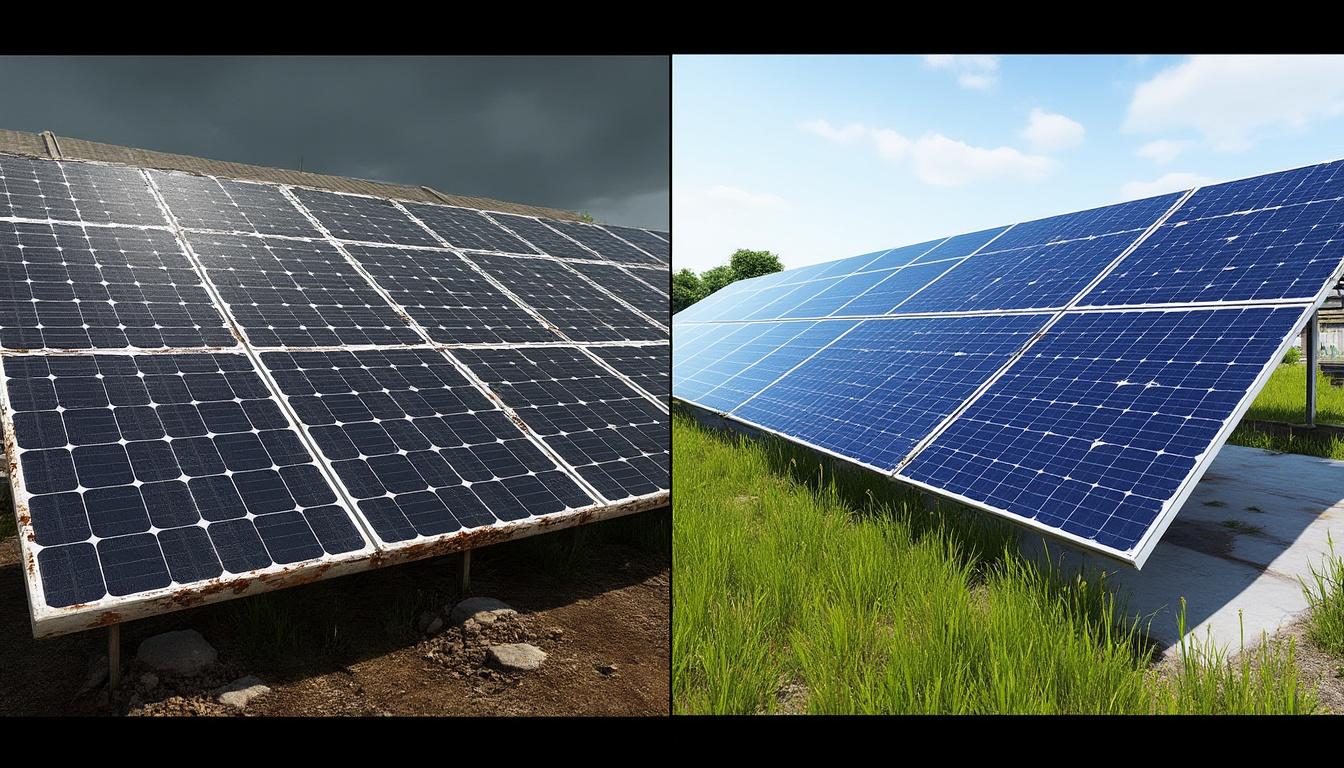
The intersection of gaming and real-world technology often leads to fascinating discussions, especially when examining how virtual systems can reflect or deviate from actual technologies. One captivating aspect is the role of solar panels in the video game “7 Days to Die,” a survival horror title that immerses players in a post-apocalyptic world where resource management and survival skills are paramount. In this context, solar panels become essential to creating a sustainable power supply for players’ bases. This article explores the nuances of using solar panels within “7 Days to Die” and compares these in-game mechanics with real-world solar technology, shedding light on the advancements and efficiencies of solar energy as we move into 2025 and beyond.
Understanding Solar Panel Mechanics in 7 Days to Die
In “7 Days to Die,” solar panels are vital in powering a player’s base efficiently. Utilizing a combination of Solar Panels and Battery Banks allows players to harness the energy of daytime sunlight to create a self-sustaining power supply. This game mechanic mirrors real-world energy systems, showcasing how renewable sources can operate in tandem with storage solutions. Players need to acquire solar panels from traders, a process that introduces an element of scarcity and demand into the game’s economy, reflecting the real-world challenges in acquiring advanced solar technology.
One primary goal for players is to establish a power supply system. To achieve this, it’s essential to understand the components involved. The solar panels, also known as Solar Banks in-game, can only be purchased for 4,500 Dukes and require players to have the Level 5 Barter Skill unlocked. This monetary requirement closely resembles the financial considerations associated with investing in renewable energy sources in the real world.
Obtaining Solar Panels in the Game
Acquisition methods in “7 Days to Die” are reflective of the logistical and financial realities in the solar market today. Each solar panel must be purchased, as they cannot be crafted. This limitation increases the stakes in gameplay and encourages players to engage with traders strategically. This mirrors real-world scenarios where consumers and businesses alike invest in solar technology through various purchasing channels. Similar to how players need to establish connections with traders, consumers must often navigate the complexities of purchasing solar systems, considering factors like finances, installation, and efficiency.
Setup and Power Management
After acquiring solar panels, the next challenge is effectively integrating them into a base’s power system. Players must install solar panels in well-lit, unobstructed areas, ideally on rooftops, to maximize energy absorption. Once positioned, solar panels must be connected to battery banks using a Wire Tool, showcasing the game’s requirement for not just ownership but also technical skill in wiring and connectivity.
- Identify a sunny location for the Solar Panel.
- Install the Solar Panel and Battery Bank close together for efficiency.
- Use the Wire Tool to connect the two, ensuring functionality.
The interaction among these components is crucial. The power output directly depends on the quality of the solar cells installed within the Solar Bank. For instance, using Level 6 solar cells allows the panel to output a maximum of 180 Watts. This aspect emphasizes the importance of upgrading technology, both in-game and in real life, where higher quality solar products result in more effective energy production.
| Solar Cell Quality | Power Output (Watts) |
|---|---|
| Level 1 | 17W |
| Level 2 | 20W |
| Level 3 | 22W |
| Level 4 | 25W |
| Level 5 | 27W |
| Level 6 | 30W |
Battery Banks: The Key to Storage Efficiency in 7 Days to Die
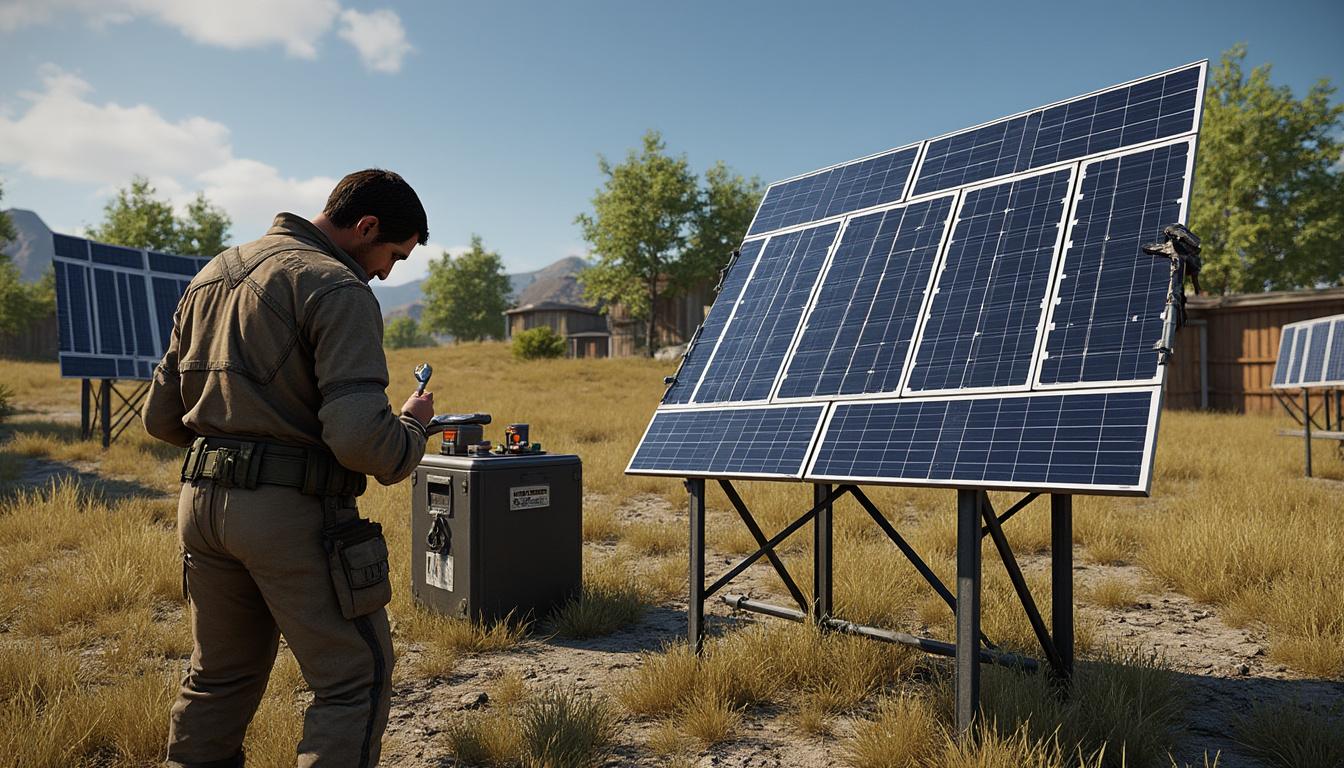
In complement to solar panels, Battery Banks play a vital role in ensuring energy management within “7 Days to Die.” These banks can be crafted using various materials such as Forged Iron, Electrical Parts, and Scrap Polymers. The ability to store energy generated during the day is integral to maintaining power during nighttime, reflecting how renewable energy systems operate in the real world, where energy storage is essential for balancing supply and demand.
Crafting Your Battery Bank
To craft a Battery Bank in-game, players must gather specific resources, which mirrors real-life scenarios where individuals or businesses must collect materials or funds for installation. The current requirements are:
- 10 x Forged Iron
- 11 x Electrical Parts
- 6 x Scrap Polymers
After gathering these materials, players can then utilize their Workbench and unlock the Wiring 101 perk to create a functional battery bank. This process outlines the importance of technical knowledge and resources, paralleling the expertise required in real-world renewable energy solutions.
Solar Energy: The Real-World Comparison
In exploring the differences between “7 Days to Die” solar mechanics and real-world solar technology, it’s enlightening to consider how both systems address energy production and consumption. Real-world solar energy encompasses a range of technologies including photovoltaic (PV) cells from companies such as Renogy, LG Solar, and SunPower. These companies push towards a sustainable future, often facing hurdles similar to those depicted in-game, such as initial costs and resource acquisition.
Efficiency and Technological Advancements
Advancements in real-world solar technology have significantly improved efficiency rates. Modern solar panels can achieve efficiencies upwards of 20%, while in “7 Days to Die,” solar cells have a fixed output based on quality without real-time efficiency modifications. The game’s mechanics simplify the complexities of sourcing and utilizing solar energy. In practice, energy efficiency hinges on multiple factors, including installation angle, geographic location, and weather conditions.
| Company | Panel Efficiency | Model |
|---|---|---|
| Renogy | 22%+ | RNG-100D |
| LG Solar | 21.7% | LG400Q1C-V5 |
| SunPower | 22.7% | Maxeon 6 |
Potential Limitations and Cost Implications
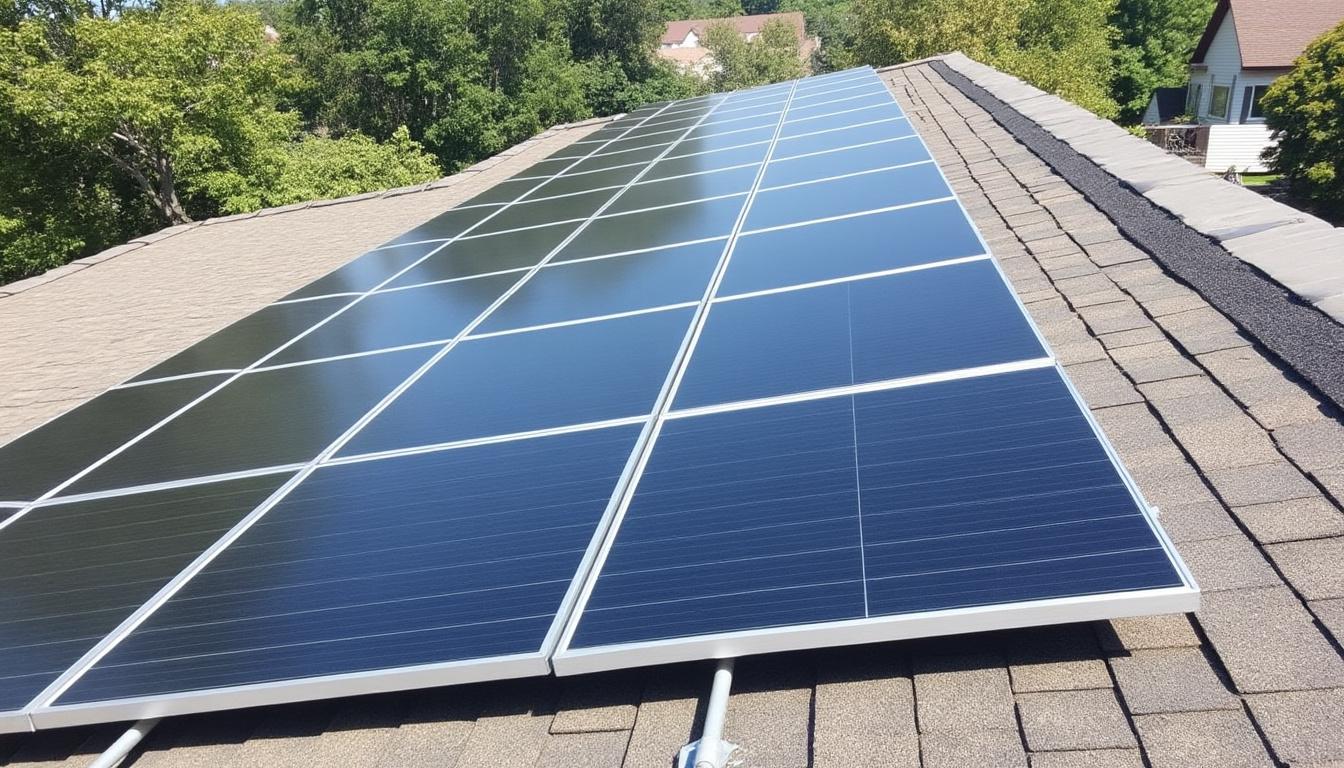
While “7 Days to Die” captures the excitement of building renewable energy systems, it glosses over some critical aspects experienced in real life. For instance, the costs associated with acquiring and maintaining renewable energy systems can be significant. With solar panels costing thousands of dollars and installation fees varying widely, budgeting becomes a significant concern. Players, however, face a more straightforward economic model based on resource trade-offs.
Investment and Maintenance Considerations
For players enjoying “7 Days to Die,” the limitation on solar panel acquisition only affects gameplay mechanics. In contrast, real-world solar technology deployment requires ongoing investment and maintenance considerations. Issues such as:
- Initial installation costs
- Maintenance and repairs
- Efficiency over time
These factors add layers of complexity for households and businesses considering solar technology. In 2025, with a growing push for sustainability, understanding these investments becomes increasingly relevant as more individuals seek to adopt renewable energy solutions.
FAQs
How are solar panels used in 7 Days to Die?
In ‘7 Days to Die’, solar panels are used to generate electricity for your base, powering various devices and ensuring energy availability during nighttime.
Can solar cells be crafted in the game?
No, solar cells in ‘7 Days to Die’ are non-craftable and must be purchased from traders.
What are the benefits of combining solar panels and battery banks?
Combining solar panels with battery banks allows players to store energy produced during the day for use at night, creating a continuous power supply.
What are real-world equivalents to the game’s solar panels?
Real-world solar panels are manufactured by companies like Renogy, LG Solar, and SunPower, which produce efficient photovoltaic systems.
How do real-world solar efficiencies compare to those in the game?
Real-world solar panels can achieve efficiencies of 20% or higher, while the game simplifies this aspect by providing fixed outputs based on solar cell quality.

