

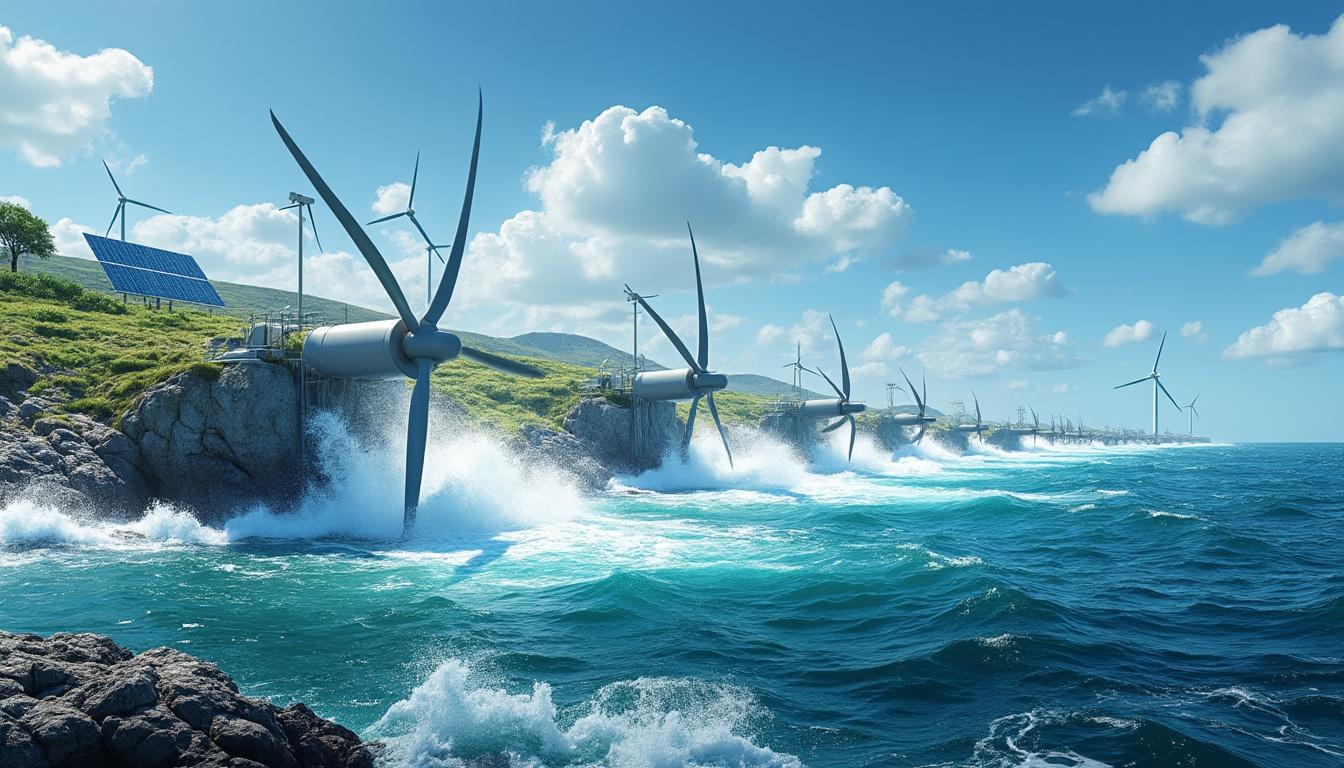
Tidal energy has emerged as a promising form of renewable energy that harnesses the natural oscillation of ocean tides, transforming kinetic energy into electricity. This energy source presents a sustainable solution to the increasing demand for clean power. The gravitational pull from the moon and the sun creates tidal movements, which can be effectively captured by various technologies, primarily through tidal turbines. Understanding how tidal turbines convert different energy forms into electricity is essential for anyone interested in renewable energy advancements, especially as nations shift towards greener energy solutions.
Understanding Tidal Energy: The Basics
Tidal energy is primarily generated through the movement of water created by the gravitational forces between the Earth, the moon, and the sun. This energy source is influential due to its predictability and consistency compared to other renewable sources like solar and wind.
The two main forms of energy involved in tidal systems are kinetic energy and potential energy. Kinetic energy is derived from the movement of water as tides flow, while potential energy results from the varying water levels between high and low tides. Tidal turbines capture both kinds of energy, converting them into electrical power.
The Mechanism of Tidal Turbines
Tidal turbines operate similarly to wind turbines but function underwater, where the movement of tides drives the blades. These turbines are strategically placed in locations with strong tidal currents, such as estuaries or narrow channels. The mechanism involves turbines that turn as water flows past them, which in turn powers a generator to produce electricity. The energy output is then transferred to the grid or utilized locally.
In general, tidal turbines can be categorized into three main types:
- Tidal stream generators: Utilize kinetic energy from water currents.
- Tidal barrages: Use potential energy by storing water during high tide and releasing it through turbines during low tide.
- Tidal lagoons: Man-made structures that harness tidal flows by creating storage areas that can release water through turbines.
This diversity allows tidal energy systems to be adapted to different geographical locations and tidal patterns worldwide.
The Role of Kinetic and Potential Energy in Tidal Turbines
Both kinetic and potential energy play pivotal roles in the production of electricity from tidal movements. Understanding these mechanisms highlights the efficiency and effectiveness of tidal turbine technology.
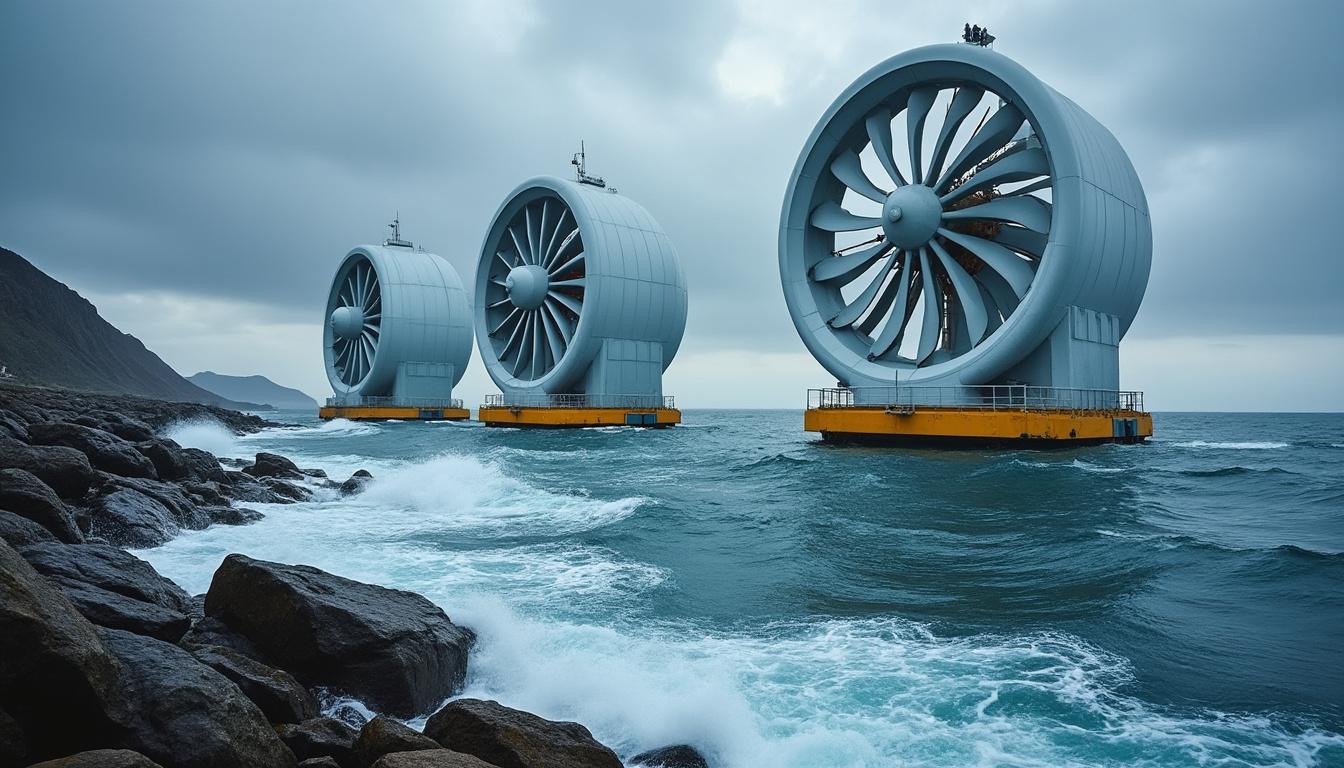
Tidal stream turbines rely on the kinetic energy generated by fast-moving water currents. As water flows across and around the turbine blades, it creates a turning motion, similar to a wind turbine. The effectiveness of these turbines largely depends on water velocity, flow direction, and the design efficiency of the turbine blades themselves.
Kinetic Energy: The Driving Force of Tidal Turbines
Tidal stream systems effectively harness kinetic energy by leveraging the power of the ocean’s tides. The motion of the tides enables turbines to rotate, thereby spinning their blades and converting motion into electricity. Performance metrics reveal that tidal turbines can operate with efficiency rates between 10% and 25% based on water speed and depth.
Potential Energy: The Advantage of Tidal Barrages
Tidal barrages capture potential energy derived from water height differences between high and low tides. In essence, they function by creating a dam-like structure that holds back tidal waters during high tide and releases them during low tide. This capture and release mechanism provides a steady flow of energy generation and can produce significant volumes of electricity.
For instance, the Sihwa Lake Tidal Power Plant in South Korea exemplifies the potential of tidal barrages, producing around 1,500 MW of electricity annually. Its ability to store potential energy and convert it into electrical output exemplifies a highly efficient use of tidal forces, showcasing the practicality of potential energy in powering electrical grids.
| Type of Energy | Source | Example Technology |
|---|---|---|
| Kinetic Energy | Water movement from tides | Tidal stream generators |
| Potential Energy | Water height differentials | Tidal barrages |
Environmental Impact of Tidal Energy
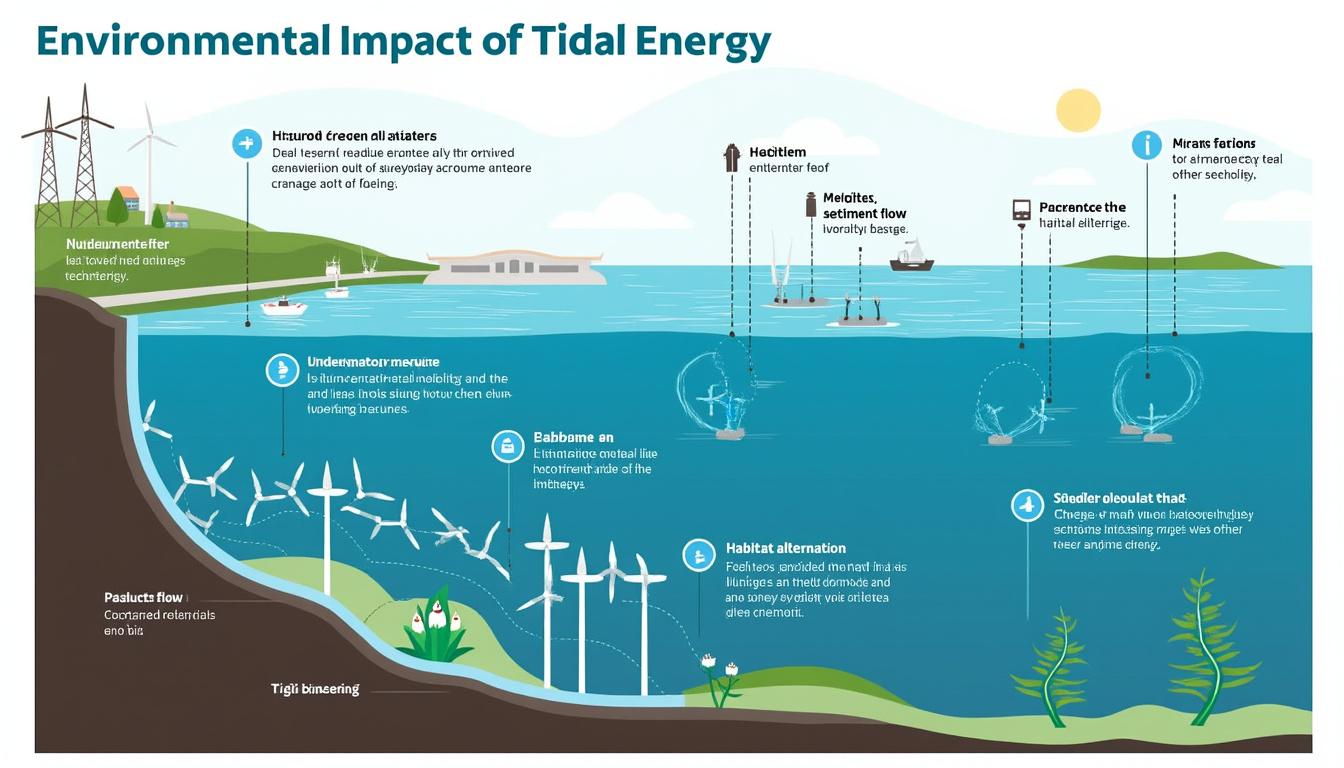
As with any form of energy production, the environmental implications of tidal energy must be examined closely. While tidal turbines present a cleaner alternative to fossil fuels, they also pose potential risks to marine ecosystems. The installation of turbines can disrupt the local environment and affect marine life, particularly fish populations that may collide with turbine blades.
However, studies suggest that larger species tend to avoid these turbines, while smaller fish may be at increased risk. Ongoing research aims to determine the best practices to mitigate these impacts and ensure the sustainability of tidal energy projects.
Minimizing Environmental Disruption
In an effort to reduce negative environmental impacts, several strategies can be implemented:
- Careful site assessment: Prior to installation, comprehensive studies should be conducted to examine the marine life and underwater ecosystems of potential project sites.
- Adaptive technology: Utilize turbine designs that minimize harm to marine animals.
- Continuous monitoring: Implement monitoring systems to assess the long-term impacts on local wildlife.
The Future of Tidal Energy
The future of tidal energy appears promising as technology evolves and governments shift to greener energy solutions. Companies like Siemens Gamesa, ANDRITZ Hydro Hammerfest, and Verdant Power are leading the way in the development of new tidal turbine technologies. Innovations are continually being made to increase efficiency, reduce costs, and ensure environmental sustainability.
Investment in Research and Development
Investment in R&D will play a significant role in advancing tidal technologies. The potential for energy generation from tidal movements is vast, with the UK alone possessing over 14,100km of coastline ripe with potential sites for tidal energy development. Capturing just 1% of this energy could meet vast electricity needs nationally, leaving a minimal carbon footprint.
The integration of differing tidal energy technologies can also yield efficient energy hybrids. Example projects around the world demonstrate the feasibility of combining tidal energy with other renewable systems to create stable power for local communities.
| Company | Technology | Location |
|---|---|---|
| Siemens Gamesa | Tidal Stream Generators | Various |
| Verdant Power | Tidal Energy Conversion Systems | United States |
| Marine Current Turbines | Tidal Stream Turbines | UK |
| Atlantis Resources | Advanced Tidal Turbines | Scotland |
Applications of Tidal Energy
The versatility of tidal energy systems allows for multiple applications, primarily focused on electricity generation. These systems can be harnessed for:
- Providing power to remote coastal communities
- Feeding electricity into the national grid to reduce fossil fuel reliance
- Supplying energy for marine applications such as desalination plants
These broad applications illustrate tidal energy’s potential to play a critical role in transitioning to a renewable future, particularly for coastal regions where tidal movements are most prominent.
Exploring Tidal Turbines Through a Comparative Lens
The ongoing evolution of tidal turbine technologies prompts a comparative analysis of their effectiveness against other renewable sources. Key metrics to consider include:
- Energy output efficiency: Analyzing energy generated versus energy consumed in maintaining systems.
- Environmental impact: Comparing the footprint of tidal turbines vs. wind and solar installations.
- Cost of implementation: Understanding the financial investment required for each type of renewable source.
Challenges to Widespread Adoption
Despite the advantages of tidal energy, challenges such as high initial costs, environmental regulations, and public perception continue to pose obstacles to wider adoption. Enhanced awareness and educational resources can foster support for tidal energy initiatives, encouraging governments and private sectors to invest in this clean energy source.
| Challenges | Impact on Adoption |
|---|---|
| High Installation Costs | Discourages initial investment |
| Environmental Concerns | May delay permitting processes |
| Public Awareness | Lack of understanding can hinder support |
By addressing these challenges, stakeholders can enhance the viability of tidal energy as a primary power source for coastal communities.
What to Expect in the Coming Years
As technological advancements continue to pave the way for tidal energy, expect significant progress in turbine efficiency and affordability. Engineering innovations from firms like OpenHydro and Schottel Hydro exemplify the global commitment to advancing tidal technology. With a focus on sustainability and reduced environmental impact, the coming decade may witness tidal energy emerge as a cornerstone of the renewable energy landscape.
Energy Type Comparison for Tidal Turbines
| Energy Type | Kinetic Energy | Potential Energy | Solar Thermal | Environmental Impact |
|---|---|---|---|---|
| Tidal Turbine | Uses kinetic energy from moving water | Can harness potential energy from water levels | N/A | Minimal impact on marine life |
| Wind Turbine | Converts kinetic energy from wind | N/A | N/A | Noise and visual impact |
| Solar Energy | N/A | N/A | Converts solar energy to heat | Land use for solar farms |

