

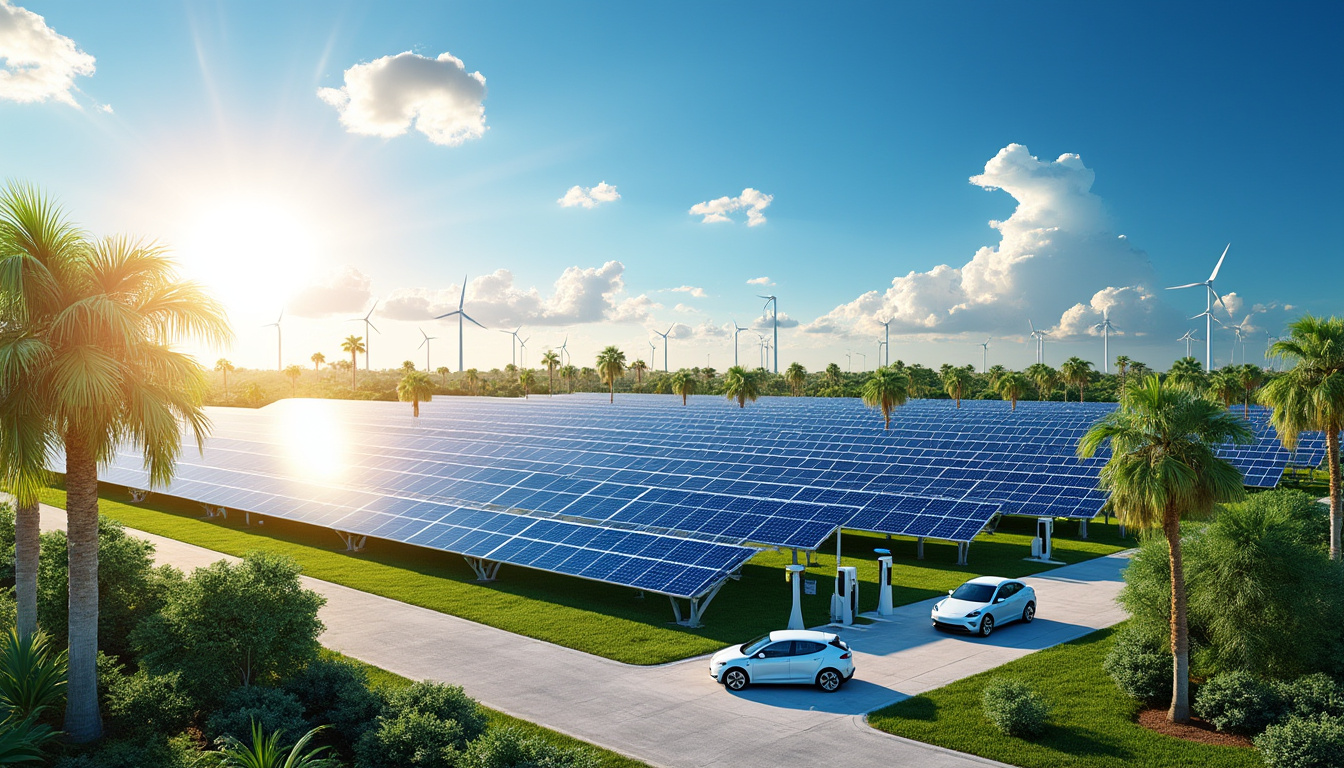
Florida is embracing its reputation as the Sunshine State by harnessing a remarkable potential for solar energy, making it a national leader in renewable energy adoption. The state’s unique geographical position provides an abundance of sunlight, making it an ideal locale for solar energy projects. As we delve into Florida’s electric and solar landscape, we explore its capacity, notable growth, and emerging trends propelling the sector forward. By examining these elements, we will gain insight into how Florida is positioning itself in the global energy transition and why the region is critical in fostering sustainable practices.
Florida’s Solar Capacity: An Overview of Growth
Florida’s solar energy capacity has witnessed unprecedented growth in recent years, which has significantly transformed its electricity generation landscape. In 2024, the state had over 12 gigawatts (GW) of installed solar power capacity, earning it the second position in the United States, just behind California. This substantial growth demonstrates a strategic transition towards renewable energy while reducing reliance on fossil fuels.
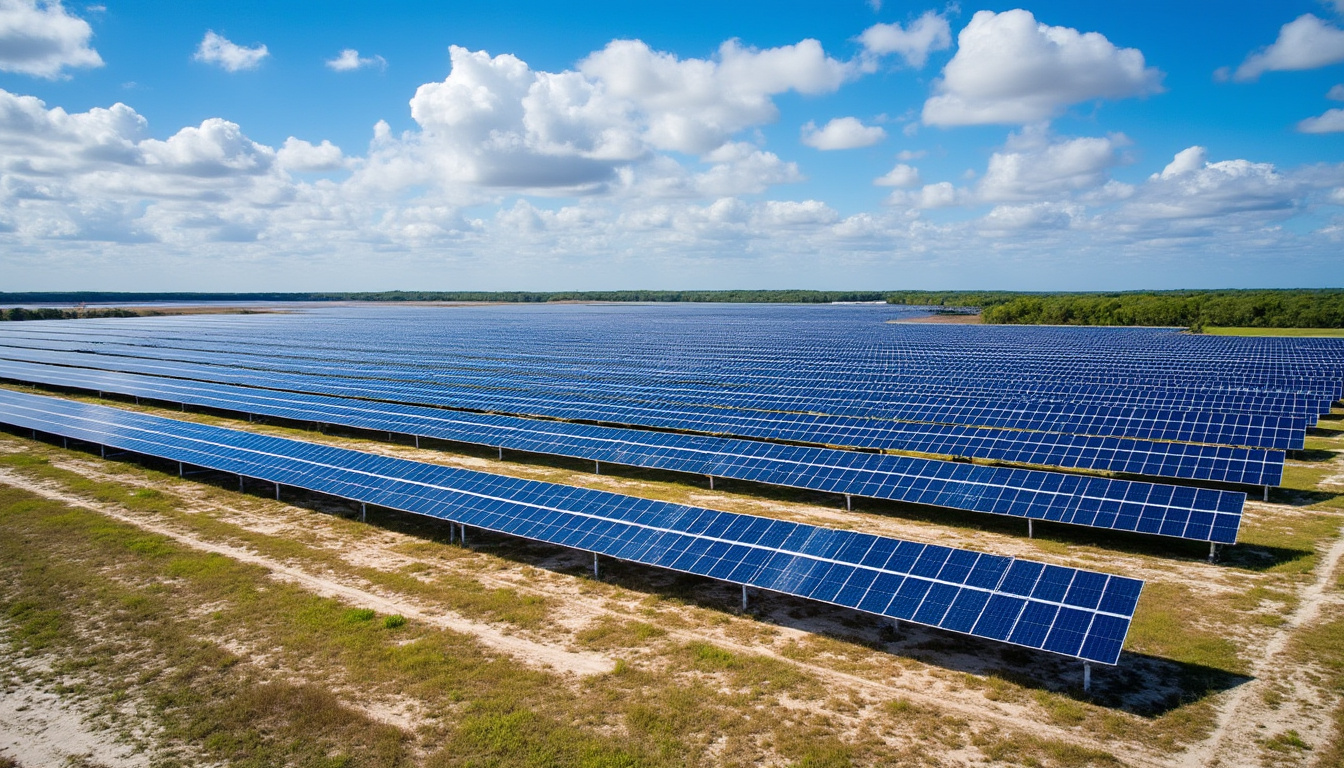
Several key drivers have contributed to Florida’s remarkable solar capacity growth:
- Utility Scale Projects: Major utility companies, such as Florida Power & Light (FPL) and NextEra Energy, have spearheaded large-scale solar projects, including FPL’s “30-by-30” plan aimed at installing 30 million solar panels by 2030. These projects significantly enhance the overall generation capacity.
- Residential Solar Adoption: In addition to utility-scale efforts, the residential sector has flourished with homeowners increasingly opting for solar panels. Florida has consistently ranked second for rooftop solar panel installations, closely following California.
- Government Incentives: Federal and state policies, including tax credits and net metering programs, have made transitioning to solar power financially viable for many Floridians. These incentives encourage consumers to invest in solar systems, further boosting capacity.
Impact on Florida’s Electricity Generation Mix
The integration of solar energy into Florida’s electricity generation mix has resulted in notable changes. According to reports, solar energy accounted for approximately 8% of the state’s total electricity generation as of 2024, showcasing the growing importance of renewable energy sources. This shift is especially significant given the historical dominance of natural gas in Florida’s energy landscape.
| Year | Total Solar Capacity (GW) | Solar’s Share of Total Generation (%) |
|---|---|---|
| 2021 | 4.5 | 2.5 |
| 2022 | 5.9 | 4.0 |
| 2023 | 10.0 | 6.5 |
| 2024 | 12.0 | 8.0 |
This data underscores the growing impact of the renewable energy sector in redefining Florida’s overall energy strategy, aligning with global trends emphasizing sustainability.
The Role of Major Utilities in Solar Expansion
Florida’s major utility companies have played a pivotal role in accelerating solar power’s growth throughout the state. The collaborative efforts among these entities have not only propelled installations but have also contributed to innovative approaches in energy generation.
Among these utilities, Florida Power & Light (FPL) is notable for its ambitious initiatives, including significant investments in solar technology. The company has committed to significantly reducing its carbon emissions by 2030, with its solar projects being at the forefront of these efforts. In addition to FPL, Duke Energy Florida and Tampa Electric are actively investing in solar infrastructure, implementing various solar farms and programs to enhance capacity.
- Florida Power & Light: Undertaking various solar initiatives, including solar farms across the state, promoting renewable energy.
- Duke Energy Florida: Expanding its solar portfolio with new projects and initiatives aimed at supporting sustainability.
- Tampa Electric: Involved in powering communities with clean energy sources through solar investments.
Moreover, the cooperation between these utilities enables shared resources, knowledge, and infrastructure, creating a robust foundation for future solar initiatives. However, significant challenges remain, including regulatory hurdles and resistance from various stakeholders regarding solar land use, particularly in rural areas.
Emerging Trends Influencing Florida’s Solar Landscape
Several emerging trends are reshaping Florida’s solar landscape and influencing the growth trajectory in 2024 and beyond. Some of these trends include:
- Technological Advancements: Innovations in solar panel technology, including more efficient photovoltaic systems and energy storage solutions, have improved overall energy capture and grid stability.
- Community Solar Programs: As a way to increase accessibility, community solar projects are on the rise, allowing multiple households to share the benefits of solar energy without having to install individual systems.
- Corporate Power Purchase Agreements (PPAs): Many corporations are entering long-term contracts with solar developers to purchase electricity, leading to substantial investment in local solar projects.
For instance, companies like Gexa Energy and Sunrun are partnering with local governments and organizations to implement commercial solar projects that enhance overall capacity.
| Trend | Description |
|---|---|
| Technological Advancements | Innovative solar technologies enhancing efficiency and reducing costs. |
| Community Solar Programs | Shared solar initiatives that support collective participation. |
| Corporate PPAs | Long-term agreements between businesses and solar developers fostering growth. |
These trends highlight Florida’s innovative spirit within the renewable energy sector, aiming to create a sustainable energy future for its residents.
The Economic and Environmental Benefits of Solar Growth
The rapid expansion of Florida’s solar energy sector offers not only substantial environmental benefits but also significant economic advantages. Transitioning to solar energy leads to a reduction in greenhouse gas emissions, contributing to cleaner air and a healthier environment for all Floridians.
Furthermore, the solar industry is creating numerous job opportunities, fostering local economic growth. Roles range from manufacturing and installation to maintenance and technical support. Industry statistics indicate that thousands of jobs are being created in Florida’s growing solar market.
- Job Creation: The solar sector is expected to create approximately 15,000 new jobs in Florida by the end of 2025.
- Reduced Energy Bills: Homeowners with solar energy systems can significantly lower their monthly electricity costs.
- Energy Independence: Increased solar capacity promotes energy resilience and decreases reliance on imported fossil fuels.
As energy independence becomes increasingly essential, solar energy emerges as a viable solution, enabling Florida to protect itself from energy market fluctuations and global energy crises. Moreover, large-scale solar installations significantly reduce the state’s carbon footprint, essential in combating climate change.
| Benefit | Impact |
|---|---|
| Job Creation | Boosts local employment and stimulates economic growth. |
| Lower Energy Bills | Saves households money and encourages solar adoption. |
| Energy Independence | Increases resilience against external energy shocks and price volatility. |
This positive feedback loop encourages further investments in the sector, reinforcing Florida’s commitment to clean energy.
Addressing Challenges and Paving the Way for Future Solar Solutions
While Florida has achieved tremendous growth in its solar capacity, the journey is not without challenges. Regulatory frameworks for solar energy can often be complex and sometimes stifle growth potential. For example, Florida currently lacks a comprehensive Renewable Portfolio Standard (RPS), limiting mandatory renewable energy adoption goals.
Additionally, resistance from segments of the population regarding solar installations, especially in rural areas, presents hurdles that must be effectively addressed. Legislators are beginning to recognize the importance of balancing local concerns with the necessity of driving forward sustainable energy solutions.
- Regulatory Improvements: Advocating for policies that support solar energy growth without unnecessary restrictions is essential.
- Community Engagement: Building community support and enhancing public awareness about the benefits of solar energy can mitigate resistance.
- Infrastructure Upgrades: Investments in grid modernization are vital to accommodate the increasing influx of renewable energy sources.
Addressing these challenges not only fortifies Florida’s solar market but also fosters a cooperative environment essential for innovation and growth. As Florida continues to advance its solar initiatives, collaboration between stakeholders in both the public and private sectors will be crucial.
Frequently Asked Questions
What is Florida’s solar energy capacity as of 2024?
Florida has over 12 gigawatts of installed solar capacity, making it the second-largest solar producer in the United States.
Who are the major utilities involved in Florida’s solar expansion?
Major utilities include Florida Power & Light, Duke Energy Florida, and Tampa Electric, all of which are significantly investing in solar infrastructure.
What are the main benefits of solar energy in Florida?
The benefits include job creation, reduced energy bills for consumers, and decreased reliance on fossil fuels.
How can one participate in community solar projects?
Residents interested in community solar projects can typically find programs offered by local utilities or solar developers which allow participation without installing individual systems.
What policies support solar energy growth in Florida?
Policies such as net metering, tax credits, and various state incentives have helped boost solar energy adoption in Florida.

