


The quest for sustainable energy solutions has propelled the technologies surrounding fuel cells, batteries, and solar cells into the limelight. Each of these energy systems operates under distinct principles and mechanisms, yet they converge on the common objective of generating electrical energy. As the global community moves towards green alternatives, understanding the relationship between these technologies is paramount. This exploration sheds light on how they translate energy into usable electrical forms by harnessing electrons, the fundamental particles fueling their processes.
The Mechanisms Behind Fuel Cells, Batteries, and Solar Cells
At the core of energy generation, fuel cells, batteries, and solar cells all function through the movement of electrons, though their mechanisms differ widely. Each plays a vital role in the evolving landscape of energy supply, targeting specific needs dictated by usage scenarios and efficiency requirements.
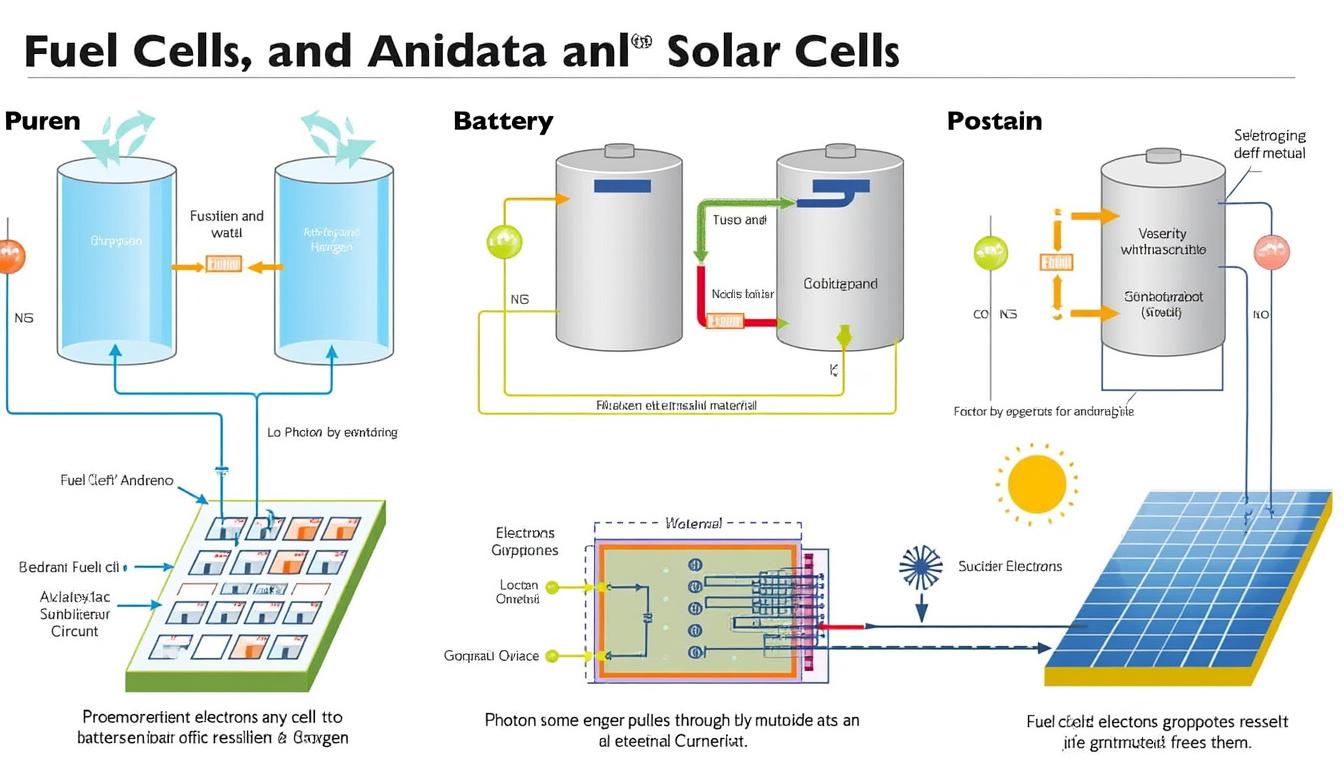
Fuel Cells: Fuel cells convert chemical energy directly into electrical energy through electrochemical reactions. They use an external supply of fuel, typically hydrogen, complemented by oxygen to produce electricity and water as the main by-product. This process involves separating hydrogen ions and electrons; the latter travel through an external circuit, generating electrical power. Innovations such as those from Ballard Power Systems and Plug Power exemplify advancements in fuel cell technology, improving efficiency and reducing costs.
Batteries: In contrast, batteries store energy chemically within their components. This stored energy is released through chemical reactions that occur when the battery is connected to a load. Electrons flow from the anode to the cathode in a circuit, providing usable electrical energy. Companies like LG Chem and Panasonic lead the market in developing batteries, focusing on enhancing energy density, charging speed, and longevity.
| Technology | Energy Source | Output |
|---|---|---|
| Fuel Cells | Hydrogen and Oxygen | Electrical Energy and Water |
| Batteries | Chemically Stored Energy | Electrical Energy |
| Solar Cells | Solar Radiation | Electrical Energy |
Solar Cells: On the other hand, solar cells convert light energy from the sun into electrical energy using the photovoltaic effect. When sunlight strikes a solar cell, it excites electrons within the material, allowing them to flow and generate electricity. Companies like SunPower and Enphase thrive in this sector, continually innovating to improve solar cell efficiency and reduce production costs.
Applications and Use Cases of Each Technology
Different energy needs dictate the suitability of fuel cells, batteries, or solar cells in various applications. Understanding these can help in selecting the right technology for specific requirements.
- Batteries: They are commonly found in portable devices, electric vehicles (EVs), and grid storage systems. For instance, Tesla leverages advanced battery technologies in its EVs, providing powerful performance and range.
- Fuel Cells: Fuel cells are more suited to heavy-duty applications. For example, they are extensively used in buses and trucks, offering advantages in terms of quick refueling and longer operating times. Companies like BYD are pioneering the use of fuel cells in public transportation.
- Solar Cells: These are predominantly used in residential and commercial sectors to reduce electricity costs and reliance on grid supplies. With a growing number of initiatives for solar installations, firms like Bloom Energy are making strides in the integration of solar technology into energy systems.
Environmental Impact and Sustainability Considerations
The energy transition is not just about efficiency and performance. It is also about minimizing the environmental impact of energy systems. Each of these technologies brings a different sustainability profile.
Fuel Cells: One of the most significant advantages of fuel cells is their clean emissions, producing only water when hydrogen is used as a fuel source. However, the production of hydrogen can have an environmental impact unless sourced from renewable methods, such as through electrolysis powered by solar energy.
Batteries: The environmental concerns surrounding batteries mainly originate from mining practices for materials like lithium and cobalt, which are essential for their production. Additionally, battery disposal and recycling present ongoing challenges. Efforts must focus on developing sustainable extraction methods and improving recycling processes to mitigate these impacts.
Solar Cells: Solar energy systems generally have a favorable environmental footprint during operation; however, concerns arise from the manufacturing processes, including the use of toxic materials and energy consumption during production. Innovations in materials and manufacturing processes aim to reduce these impacts significantly, enhancing the overall sustainability of solar technologies.
| Technology | Environmental Impact | Sustainability Efforts |
|---|---|---|
| Fuel Cells | Low emissions if using renewable hydrogen | Improving hydrogen production |
| Batteries | Mining and recycling challenges | Innovations in sustainable materials |
| Solar Cells | Manufacturing emissions | Lowering toxic material usage |
The Role of Innovation and R&D
Continuous advancements in research and development are crucial to enhancing the performance and sustainability of fuel cells, batteries, and solar cells. Across the globe, organizations and universities are driving innovation through cutting-edge studies and projects.
Recent research into fuel cells focuses on improving catalyst efficiency, hydrogen storage, and membrane technologies. For instance, a recent study highlighted advancements in Ru-based catalysts that promise increased fuel cell efficiency. Similarly, batteries are witnessing breakthroughs with novel materials to enhance energy density and reduce costs; innovations in solid-state batteries hold considerable promise for the future of energy storage.
In solar technology, research has notably improved the absorption of solar radiation, optimizing the conversion efficiency in solar cells. Various institutions are delving into ways to make solar cells cheaper and easier to install, thereby boosting installation rates globally.
Future Trends and Market Directions
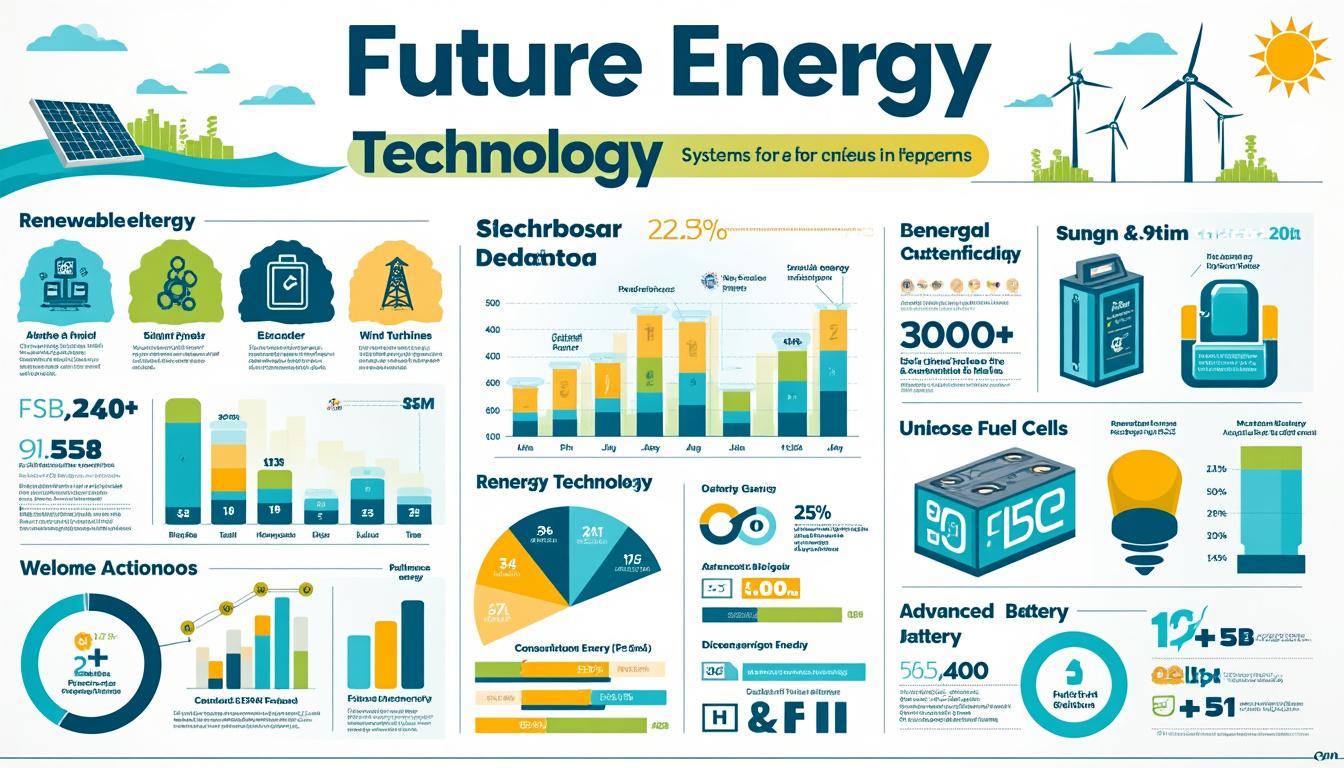
The future of the energy sector is poised for transforming advancements from fuel cells, batteries, and solar technologies. As global energy demands increase, the need for sustainable solutions grows ever more urgent.
In the mass adoption of electric vehicles, advancements in both battery and fuel cell technologies will play critical roles. More companies, including Lucid Motors and BYD, are innovating to design next-generation vehicles that meet stringent emissions targets.
On the solar front, the increasing affordability of solar panels promises to accelerate the transition of households and businesses towards renewable energy sources. Pioneers in the solar sector, such as SunPower, are focusing on innovations that integrate energy storage with solar installations, enhancing energy resilience.
- Emerging technologies in hydrogen production, particularly renewable hydrogen, will transform the fuel cell market.
- Improvements in battery recycling technologies will lessen the environmental concerns linked to battery use.
- Solar technology will see increased hybrid systems combining conventional energy sources with renewables for maximized efficiency.
The Interconnectedness of Energy Technologies
Understanding the interconnectedness of fuel cells, batteries, and solar cells is vital for holistic energy strategies. Each system supports the others, paving the way for a resilient and sustainable energy future.
Integrating these technologies can create an efficient energy ecosystem. For instance, using solar energy to produce hydrogen through electrolysis enables fuel cells to utilize that hydrogen for clean power generation. This synergy is critical to mitigating climate change impacts effectively.
Common Misunderstandings and Clarifications
Despite their growing prevalence, misconceptions surrounding fuel cells, batteries, and solar cells endure. Correcting these misunderstandings helps to inform the public and guide policy decisions.
Firstly, many believe that fuel cells are simply another type of battery. While both produce electricity, fuel cells are power generators that utilize a constant fuel supply, whereas batteries store energy for later use. Additionally, the perception that solar cells only function efficiently in sunny conditions overlooks their capability to generate power even under cloudy skies.
- Fuel cells rely on external fuel sources and do not store energy like batteries do.
- Solar energy systems can generate electricity even with indirect sunlight.
- Both batteries and fuel cells are crucial for achieving specific long-range and mobile energy solutions.
Through increased understanding of these technologies, stakeholders can better appreciate their roles in the broader energy transition. Collaboration among players like Bloom Energy, Plug Power, and other industry leaders will be fundamental to achieving the climate goals set by global agreements. As we advance further into this renewable era, understanding the roles of fuel cells, batteries, and solar cells will shape effective pathways towards energy sustainability.
FAQs
What is the main difference between fuel cells and batteries?
Fuel cells generate electricity continuously as long as fuel is supplied, whereas batteries store energy and release it when needed.
How do solar cells work?
Solar cells convert sunlight directly into electricity through the photovoltaic effect by exciting electrons in materials like silicon.
Are fuel cells environmentally friendly?
Fuel cells produce only water as a by-product when using hydrogen, making them environmentally friendly if the hydrogen is sourced sustainably.
What are the main applications of batteries?
Batteries are widely used in portable electronics, electric vehicles, and renewable energy storage systems.
Can solar cells operate in non-sunny conditions?
Yes, solar cells can produce electricity in cloudy or overcast weather, although efficiency may decrease under low light conditions.
| Aspect | Battery | Fuel Cell | Solar Cell |
|---|---|---|---|
| Energy Storage | Stores energy chemically. | Generates electricity through a chemical reaction. | Converts sunlight directly into electricity. |
| Efficiency | 70-90% | 40-60% | 15-22% |
| Environmental Impact | Limited raw material impact, recyclable. | Hydrogen production can be fossil fuel reliant. | Low environmental impact, recyclable components. |
| Usage | Portable electronics, electric vehicles. | Vehicles, stationary power generation. | Homes, commercial energy supply. |