


The adoption of renewable energy solutions has surged over recent years, providing both environmental benefits and economic incentives for homeowners and businesses alike. Among various renewable energy technologies, grid-tied solar systems stand out due to their ability to seamlessly integrate with the existing electric grid. This integration not only enhances energy independence but also allows for substantial savings through several mechanisms, such as net metering. As we venture further into 2025, understanding how net metering and interconnection works is crucial for anyone considering investing in a solar power system.
Grid-tied solar systems function as a bridge between renewable energy sources and traditional power grids. They enable the use of solar energy during sunny days while providing backup electricity from the grid when solar input is insufficient. This intricate dance of energy flow is managed through two critical components: net metering and interconnection. These mechanisms facilitate the exchange of energy, making it possible for homeowners to feed surplus power back into the electric grid.
Understanding Grid-Tied Solar Systems
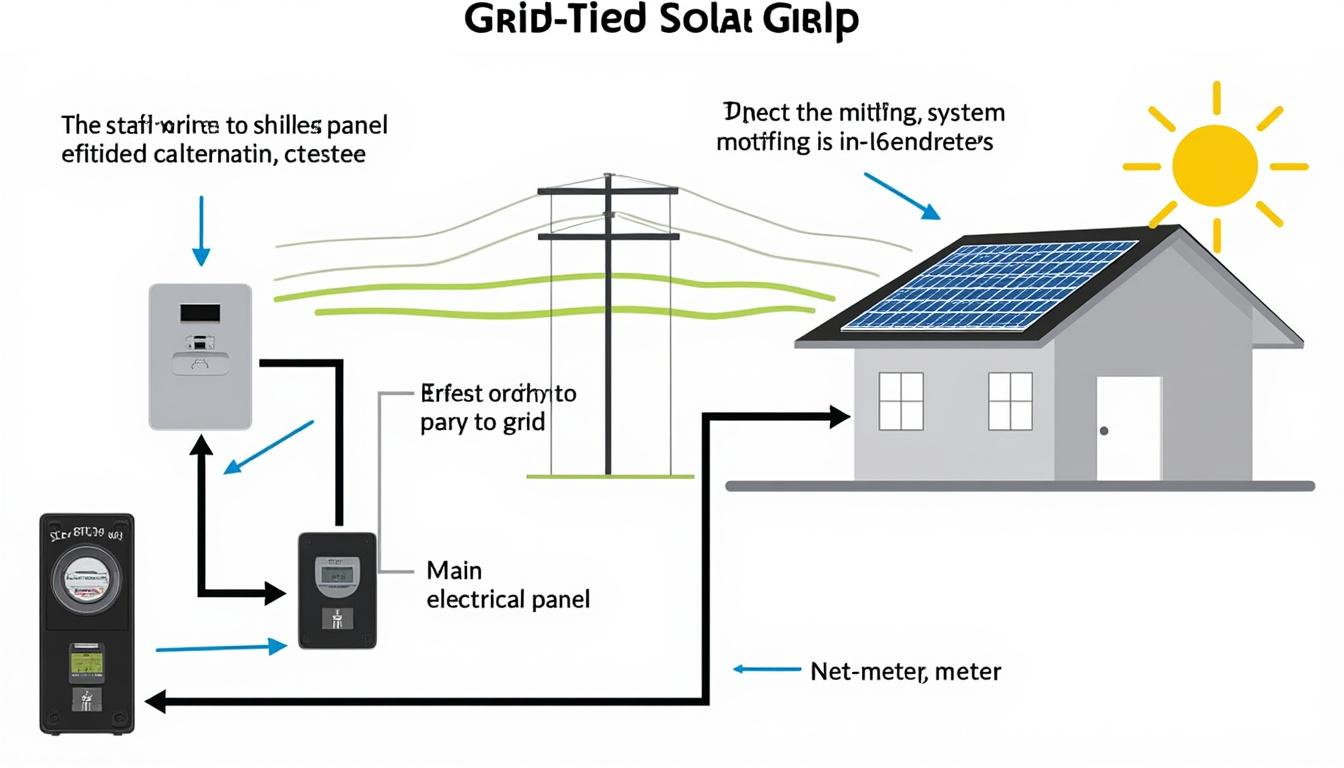
A grid-tied solar system allows homes to generate electricity using solar panels while remaining linked to the local electric grid. This configuration enables users to draw power from the grid when solar energy is not available—such as during nighttime or cloudy weather—ensuring uninterrupted energy access. Grid-tied setups generally do not require expensive battery storage systems, making them a cost-effective choice for many consumers.
Benefits of Grid-Tied Solar
- Lower Overall Costs: Without the need for batteries, installation and maintenance costs are often significantly reduced.
- Energy Independence: Homeowners can produce their own electricity, reducing reliance on conventional power sources.
- Net Metering Benefits: Homeowners can receive credits for the energy they feed back to the grid, further enhancing financial returns.
Components of Grid-Tied Systems
Several key components make up a typical grid-tied solar power system:
- Solar Panels: The primary energy-generating elements that convert sunlight into electricity.
- Inverters: These are crucial for converting the direct current (DC) produced by solar panels into alternating current (AC) used in homes.
- Balance-of-System Equipment: This includes electrical connections and safety equipment needed for compliance with grid interconnection standards.
| Component | Function |
|---|---|
| Solar Panels | Convert sunlight into electricity |
| Inverters | Convert DC electricity to AC electricity |
| Safety Equipment | Protect against electrical failures and ensure safe operation |
Net Metering: A Financial Advantage for Homeowners
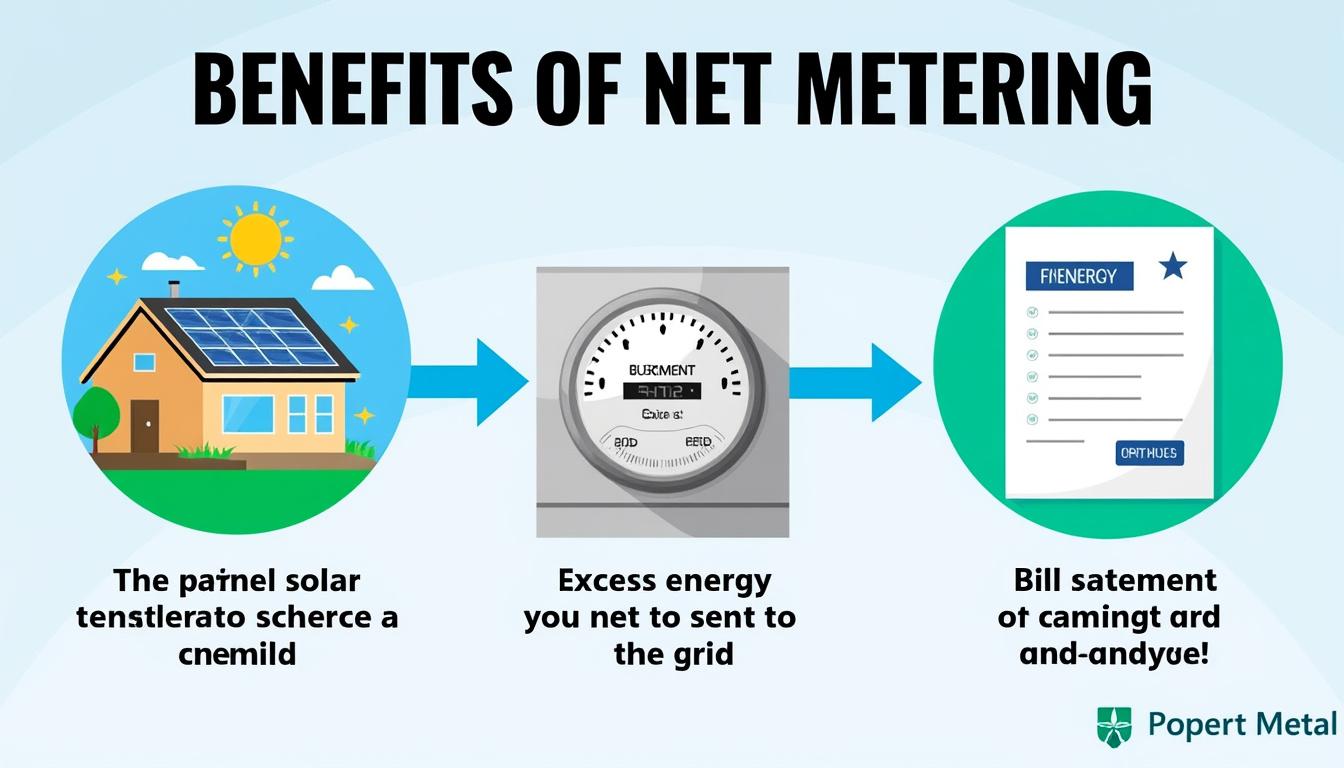
Net metering is a billing arrangement that allows homeowners to receive credits for the surplus energy generated by their solar systems. When solar panels produce more electricity than the household needs, the excess is sent back to the electric grid. In return, energy credits are applied to the homeowner’s account, offsetting future electricity use when solar production is low.
How Net Metering Works
- When electricity generation exceeds consumption, the excess energy is routed back to the grid.
- This energy contributes to the grid, providing power to other consumers.
- A bi-directional meter measures both energy consumed and energy sent back, allowing for accurate billing.
Benefits and Limitations of Net Metering
- Financial Savings: Homeowners benefit from lower electricity bills as credits accumulate for surplus energy.
- Encouragement of Solar Adoption: Simplified billing arrangements motivate families to consider solar power.
- Seasonal Variations: Credits can roll over month-to-month, allowing families to save energy generated in sunny seasons for use in winter.
- Potential Regulatory Changes: Some states are moving away from traditional net metering programs, which may lower credit value.
| Aspect | Net Metering | Alternative Programs |
|---|---|---|
| Credit Rate | Full retail prices for surplus energy | Reduced rates for energy sent to the grid |
| Credit Roll Over | Typically monthly | Annual reconciliations |
| Simplicity | Easy to understand billing | More complex billing arrangements |
The Interconnection Process for Solar Systems
Interconnection refers to the process by which a solar power system is connected to the electric grid. This involves several critical steps, such as ensuring compliance with safety standards, obtaining necessary permits, and meeting the requirements set forth by the local utility company. The interconnection process can vary significantly between different regions, making it essential for homeowners to understand their specific requirements.
Key Steps in the Interconnection Process
- Research Utility Requirements: Each utility has distinct interconnection standards and protocols.
- Obtain Necessary Permits: Homeowners must secure permits for installation to comply with local regulations.
- Submit Interconnection Application: A detailed application is usually required for approval from the local utility.
Safety and Compliance Standards
Reliability and safety are paramount concerns when interconnecting a solar power system. Regulations often mandate the inclusion of safety devices, such as disconnect switches and surge protectors, to ensure safe operation during power disruptions. The standards, often enforced by organizations like Underwriters Laboratories (UL) and the Institute of Electrical and Electronics Engineers (IEEE), create a framework within which consumers can operate confidently.
| Safety Protocol | Description |
|---|---|
| IEEE 1547-2003 | Technical requirements for grid-connected systems |
| UL 1741 | Certification for solar inverters and safety equipment |
The Future of Grid-Tied Solar and Net Metering
As renewable energy technologies continue to evolve, the grid-tied solar market faces both opportunities and challenges. Regulatory changes, advancements in battery storage, and innovations in solar technology will play pivotal roles. Homeowners considering solar installations in 2025 must stay informed about these developments to maximize their investments.
Innovative Trends in Solar and Net Metering
- Increased Efficiency: New solar technologies are making systems even more efficient, generating greater energy output.
- Battery Storage Integration: Enhanced battery solutions allow for better energy management, especially during low production periods.
- Policy Changes: Navigating evolving net metering policies across different states will necessitate proactive engagement on the part of homeowners.
| Trend | Description |
|---|---|
| Efficiency Improvements | Breakthroughs in solar panel technology lead to increased energy capture and conversion rates. |
| Battery Integration | Advanced storage solutions facilitate better utilization of generated energy. |
What is net metering?
Net metering is a billing arrangement that allows homeowners to receive credits for the surplus energy produced by their solar systems that is fed back into the electric grid.
How do I connect my solar power system to the grid?
The interconnection process involves researching utility requirements, obtaining necessary permits, and submitting an interconnection application to your local utility.
What are the benefits of grid-tied solar?
Grid-tied solar systems allow homeowners to benefit from energy independence, lower overall costs, and financial incentives like net metering.
Can net metering policies change?
Yes, states can amend or eliminate net metering policies, influencing the financial benefits for homeowners with solar systems.
What safety standards must I comply with for interconnection?
Safety standards vary by region but generally include regulations set by organizations like IEEE and UL to ensure safe operation of solar systems.

