

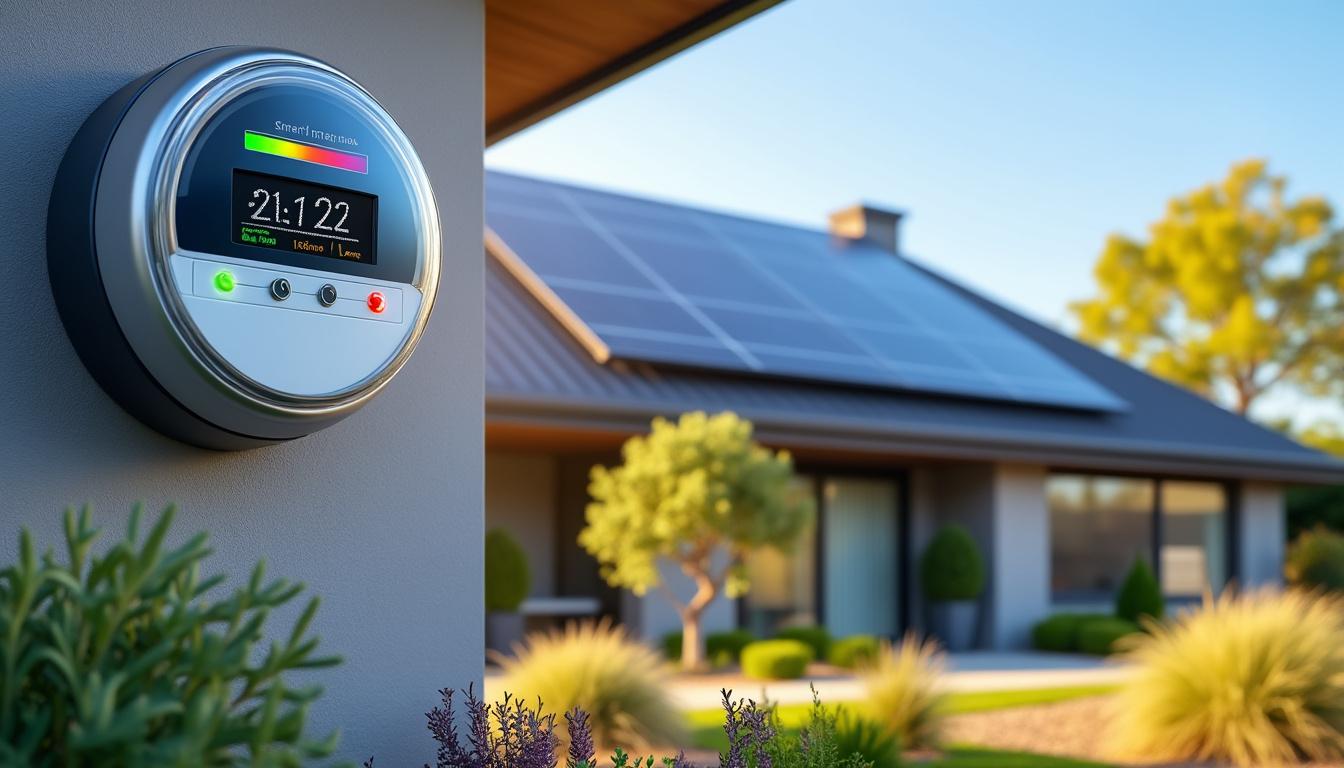
As solar energy continues to grow in popularity, many homeowners are contemplating the potential savings on their monthly electric bills with the installation of solar panels. This consideration is further spurred by the significant decline in installation costs over the past decade, making solar power a viable option for more households than ever before. However, understanding the realistic average monthly electric bill after going solar requires a deep dive into various factors, including the size of the solar array, energy consumption habits, local electricity rates, and net metering policies. This article aims to clarify these intricacies and help home and business owners navigate the world of solar energy savings effectively.
The Average Monthly Electric Bill Without Solar Panels
To appreciate the savings that come with solar energy, it’s essential to examine the current averages for electric bills in homes without solar panels. According to the Energy Information Administration (EIA), the average monthly electric bill in the United States is approximately $145. This figure reflects a variety of elements, including monthly electricity consumption and prevailing utility rates.
Typically, an average American household consumes around 855 kilowatt-hours (kWh) per month. In recent figures, average electricity rates hovered around 17.01 cents per kWh, leading to substantial costs on energy bills. However, it’s important to note that this estimate pertains strictly to energy supply costs. Households also incur additional fixed service fees, which differ based on local utility providers.
- Average Monthly Usage: About 855 kWh for an American household.
- Average Rate: Approximately 17.01 cents per kWh.
- Total Average Bill: Roughly $145, excluding fixed charges.
Electricity rates can fluctuate frequently due to seasonal changes and market dynamics, leading to variations in monthly expenses. Additionally, energy consumption habits play a crucial role. For instance, larger households or those with higher energy-consuming devices will incur higher costs compared to more modest households.
| Factor | Value |
|---|---|
| Average Monthly Usage (kWh) | 855 |
| Average Rate (cents per kWh) | 17.01 |
| Average Monthly Bill ($) | 145 |

Understanding Your Average Monthly Electric Bill with Solar Panels
Upon installing solar panels, many homeowners aim to reduce their electricity costs significantly. The reality is that the average monthly electric bill post-solar installation largely depends on several conditions, such as the capacity of the solar system, household energy demands, and local climate conditions.
A typical home solar system in the United States can average around 7.4 kW, equivalent to approximately 15 solar panels. With good sun exposure—around five hours of sunlight daily—many solar systems can produce sufficient energy to meet, or even exceed, the average monthly electric consumption.
- System Size: Average is about 7.4 kW.
- Output: Approximately 33.3 kWh/day or about 999 kWh/month.
- Energy Needs: Can balance or exceed typical consumption (855 kWh/month).
If solar panels generate more energy than a household uses, the excess energy can often be sold back to the grid through net metering programs, compensating homeowners further. However, homeowners must still pay the basic utility fees associated with their accounts, irrespective of the solar production.
| Parameter | Value |
|---|---|
| Solar System Size (kW) | 7.4 |
| Daily Energy Output (kWh) | 33.3 |
| Monthly Energy Output (kWh) | 999 |
Factors Influencing Your Electricity Bill with Solar Panels
As homeowners consider the financial implications of transitioning to solar energy, it’s crucial to recognize the plethora of factors affecting monthly savings and energy bills. The interplay between these factors elucidates why solar power savings can vary widely from one household to another.
Household Energy Consumption
A primary determinant of a home’s solar energy efficiency is its energy consumption pattern. Families that frequently host guests or incur additional energy usage through new appliances will demand more energy, potentially resulting in higher grid dependency.
Location & Sun Exposure
The geographical location and sun exposure available to solar panels stand as critical variables. Ideally, roofs should face south at 180 degrees, maintaining a 30-45 degree slant to maximize sun exposure, ideally receiving a minimum of 5-6 hours of sunlight daily. Inadequate sun exposure limits overall solar output.
Solar Panel System Size
For solar panels to effectively meet household energy demands, it’s essential to install an adequately sized system. Most homes deploy between 10 to 20 panels, ensuring they can handle their energy requirements with sufficient excess capacity available for unexpected increases.
Net Metering Policies
Local policies on net metering can also greatly affect financial returns. Regions with favorable policies often allow homeowners to receive the electricity market rate for surplus energy sold back to the grid. However, other areas might offer significantly lower buyback rates.
| Factor | Impact on Energy Bill |
|---|---|
| Energy Consumption | Higher usage increases reliance on grid power. |
| Location/Sun Exposure | More sun leads to higher energy output. |
| System Size | Proper sizing balances energy production with demand. |
| Net Metering Policies | Affects compensation for excess energy sold back. |
How Much Can You Save with Solar Panels?
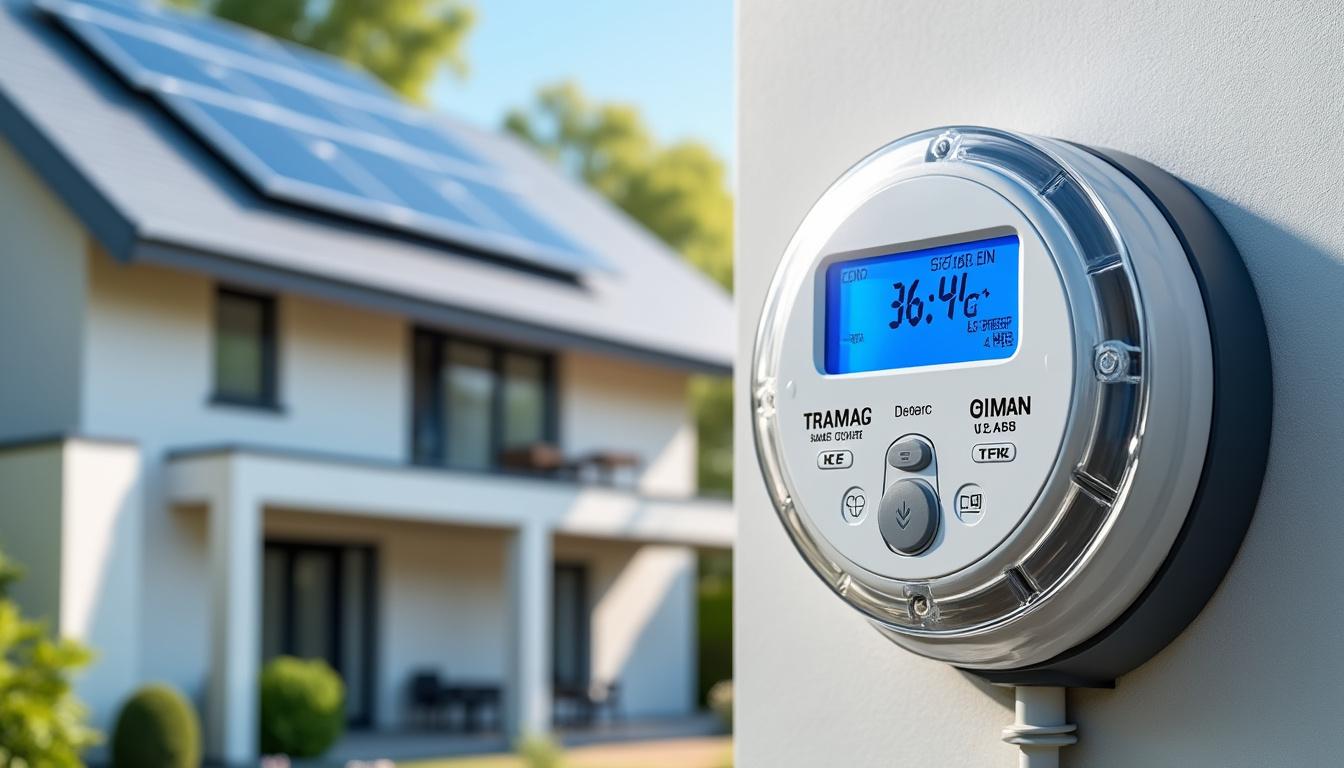
Realistically assessing solar savings goes beyond mere installation costs; it involves evaluating how well the solar system meets home energy needs. When panels completely offset energy requirements, homeowners can potentially save about $145 monthly, equating to roughly $1,740 per year.
Moreover, when coupled with local solar tax incentives and net metering programs, many solar systems can achieve a return on investment within 6-10 years. For homeowners without the option of net metering, selling Solar Renewable Energy Credits (SRECs) can be another avenue for savings. This option presents an additional revenue stream for those who participate in local renewable energy markets.
- Monthly Savings: Up to $145, equating to $1,740 annually.
- Return on Investment: Commonly between 6-10 years.
- Alternative Savings: Selling SRECs for additional income.
| Type of Savings | Details |
|---|---|
| Monthly Savings | $145/month |
| Annual Savings | $1,740/year |
| Return on Investment | 6-10 years |
Solar Savings Calculator
Calculate your solar savings potential based on household energy consumption
Estimated Monthly Savings:
Common Myths About Your Electric Bill After Solar Panels
With increasing awareness of solar panels, it’s important to debunk common myths that can misguide consumers. These misconceptions can affect decisions to install solar power systems and determine the perceived value of solar energy savings.
- Myth: Solar panels will eliminate your entire electric bill. Fact: While solar panels reduce energy consumption expenses, fixed utility fees still apply.
- Myth: Solar panels are too expensive. Fact: With tax incentives and long-term savings, they usually pay off within 6-10 years.
- Myth: Homes can go off-grid solely with solar panels. Fact: Most systems remain grid-tied for reliability, requiring additional storage for complete off-grid living.
By addressing these myths, homeowners can have a clearer perspective about the potential impacts of solar installations on their monthly energy costs and overall savings.
| Myth | Fact |
|---|---|
| Eliminates all electric bills | Reduces costs but monthly fees remain. |
| Too expensive | Often pays for itself quickly due to savings. |
| Fully off-grid possible | Batteries needed for complete off-grid status. |
What is the average monthly electric bill with solar panels?
With a properly installed and adequately sized system, the monthly bill can be significantly reduced, often only reflecting utility service fees.
How do I calculate savings with solar panels?
Your savings will depend on your energy consumption, local rates, and the specifics of your solar installation.
Will I still have an electric bill after installing solar panels?
Yes, while solar panels minimize the energy supply costs, fixed utility fees will still apply.
What factors affect the efficiency of my new solar panels?
Sunlight availability, panel orientation, size of the solar system, and energy consumption patterns are key.
Are there tax incentives for solar panel installation?
Yes, various tax credits and local incentives exist, making solar installations more affordable for homeowners.

