


Puer to Rico is at the forefront of the solar energy revolution, with a unique and dynamic energy profile. Rising from the challenges following devastating hurricanes, the island is transforming its energy landscape by shifting towards renewable resources, particularly solar energy. This move not only promises sustainability but also enhances energy resilience for residents that have faced frequent power outages. The strategic increases in solar installations reflect a growing recognition of the planet’s need for sustainable resources and the urgent demand for reliable power sources. Various stakeholders, including government entities, private companies, and local communities, are exploring innovative solutions. Companies like SunPower, Tesla, and First Solar are contributing to this transformation, setting the stage for a future where renewable energy isn’t just an option but a necessity.
The Current Solar Landscape in Puerto Rico
The solar landscape in Puerto Rico has vastly expanded over recent years, with significant investments leading to a surge in installation rates across the island. In a territory that has historically depended on fossil fuels, the shift towards solar energy is crucial for the sustainable development of its energy needs. As of mid-2025, Puerto Rico has achieved substantial milestones in solar capacity, quickly rising to over 1,500 megawatts (MW) of installed solar photovoltaic (PV) capacity. This is a remarkable achievement considering that only a decade ago, solar energy accounted for a mere fraction of the island’s energy mix.
Solar energy development is spurred by several key factors:
- Legislative Support: The Puerto Rican government has initiated various incentives and policies to promote the adoption of renewable energy. This includes setting ambitious goals such as reaching 40% renewable energy by 2025.
- Community Engagement: Local communities are increasingly advocating for solar power solutions, understanding their potential in enhancing energy resilience and lower electricity costs.
- Technological Advances: Technological innovations in the solar sector, such as the development of high-efficiency solar panels by companies like LG Solar and Q CELLS, have made solar installation more accessible and efficient.
- Partnerships and Collaborations: The collaboration between public institutions, private companies, and local NGOs is pivotal. For example, initiatives by firms like Enphase Energy and Sunnova have bolstered residential solar installations.
Moreover, Puerto Rico’s optimal solar conditions largely support the rapid development of solar energy projects. The location of the island within the tropics delivers ample sunlight throughout the year, making solar a particularly attractive option for energy generation. A recent study highlighted the vast potential for solar energy across various regions in Puerto Rico, indicating that with appropriate investments, the island could more than meet its current energy demands through solar.
| Year | Installed Solar Capacity (MW) | Percentage of Total Energy Mix |
|---|---|---|
| 2015 | 250 | 3% |
| 2020 | 1,200 | 10% |
| 2025 | 1,500 | 15% |
As Puerto Rico moves forward, it is essential to remain vigilant about the challenges ahead, particularly relating to grid stability and financing for ongoing solar projects. Nonetheless, the commitment from various sectors indicates a robust future for renewable energy.
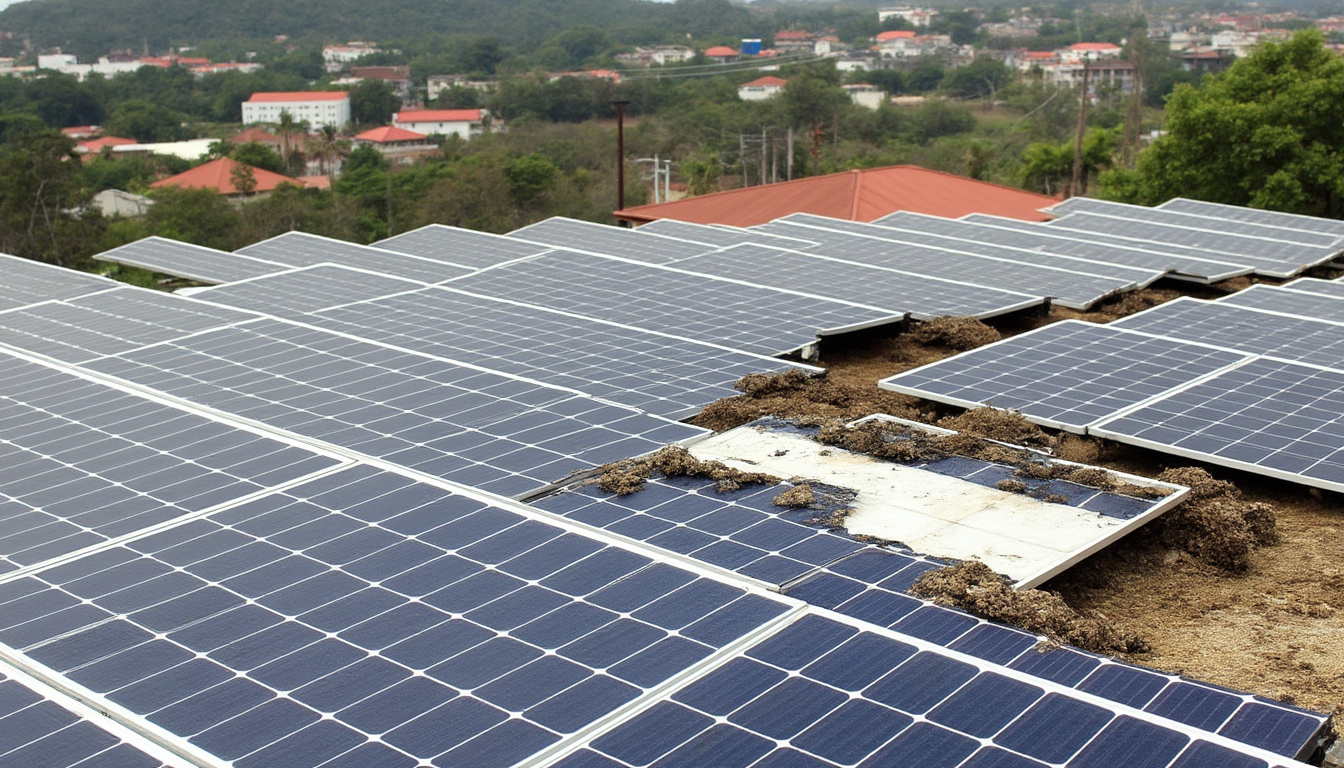
Benefits of Solar Energy Adoption in Puerto Rico
The adoption of solar energy in Puerto Rico comes with a myriad of benefits that extend far beyond the realm of simply generating electricity. Understanding these advantages can help promote more extensive adoption and support programs aimed at enhancing the solar energy sector.
Enhanced Energy Resilience
In a region prone to natural disasters, such as hurricanes, solar energy plays a significant role in improving resilience. By installing solar panels, communities can maintain access to power during outages, ensuring critical infrastructure remains operational. The deployment of solar microgrids, which leverage local solar resources, enhances this resilience further. These systems allow communities to operate independently of the main grid, a vital feature during emergency situations when traditional power systems may be compromised.
Environmental Sustainability
Switching to solar energy helps reduce greenhouse gas emissions significantly. Fossil fuel combustion contributes heavily to air pollution, which poses health risks to residents. A transition to solar power not only mitigates these effects but also brings Puerto Rico closer to its climate goals. The growth of the solar industry represents a commitment to ecological responsibility. By harnessing renewable energy sources, such as solar, Puerto Rico can play an essential role in addressing global climate change.
Economic Opportunities
The solar energy sector’s growth directly contributes to job creation and economic development. More jobs in installation, maintenance, and research and development sectors related to solar power emerge as the industry expands. Educational institutions and local communities are engaging with solar companies to provide training and skill development for residents, enhancing employability in a rapidly growing field. Partnerships with local firms help create a self-sustaining economy powered by green energy.
A summary of the benefits of solar energy includes:
- Cost Savings: Reduced electricity bills for homeowners and business owners.
- Job Creation: Increased employment opportunities in various sectors.
- Reduced Reliance on Imports: Decreased dependence on imported fuels enhances energy independence.
- Public Health Benefits: Improved air quality leads to better public health outcomes, reducing healthcare costs.
The benefits presented illustrate a multi-faceted case for solar energy in Puerto Rico, reinforcing that the establishment and growth of this industry are not just beneficial but necessary for the sustainable progress of the island.
Challenges Facing Solar Energy Expansion
Despite the advancements and benefits associated with solar energy in Puerto Rico, challenges remain that could impede further progress and adoption. Identifying these challenges allows stakeholders to strategize effectively and develop solutions to overcome them.
Infrastructure Limitations
One of the significant hurdles to scaling solar energy in Puerto Rico is the limited infrastructure. The existing grid system, heavily dependent on conventional energy sources, requires significant adaptation to accommodate the influx of renewable energy. Grid modernization is vital to enhance its reliability and capacity to integrate solar generation effectively. Implementing smart grid technologies ensuring efficient distribution will be crucial.
Financing and Investment Hurdles
Another pressing challenge is securing financing for solar projects. While many programs and tax incentives are available, accessing capital remains a barrier, particularly for lower-income households. Innovative financing solutions, such as community solar initiatives or public-private partnerships, can help alleviate onetime costs for homeowners looking to invest in solar power.
Regulatory Obstacles
Regulatory frameworks can sometimes hinder growth due to a lack of clarity or excessive bureaucracy. Streamlining permitting processes is essential for speeding up installation timelines and encouraging adoption. Stakeholders must work collaboratively with the government to create an efficient pathway for new projects, ensuring compliance with zoning regulations while promoting faster deployment.
In summary, the challenges facing the solar energy expansion in Puerto Rico necessitate proactive measures from all involved parties. Addressing these challenges means investing in infrastructure, exploring creative financing options, and advocating for streamlined regulatory processes.
| Challenge | Impact | Potential Solutions |
|---|---|---|
| Infrastructure Limitations | Limited grid capacity to handle solar influx | Investment in smart grid technology |
| Financing Barriers | Inaccessibility of upfront costs for low-income households | Community solar projects, public-private partnerships |
| Regulatory Issues | Lengthy approval processes delaying projects | Streamlining permitting and compliance processes |
Future Prospects of Solar Energy in Puerto Rico
The future of solar energy in Puerto Rico looks bright, with new technologies and innovative approaches shaping the energy landscape. Stakeholders from various sectors are collaborating to create a resilient and self-sustaining energy ecosystem that relies on sustainable sources such as solar power. The integration of advanced technologies, strategic investments, and continuous advocacy are essential for moving forward.
Technological Innovations
As solar technology advances, Puerto Rico can expect to see increased efficiency and effectiveness in solar installations. Emerging technologies, such as energy storage systems, promise to further stabilize power supply by storing surplus energy generated during the day for use at night or during peak demand periods. Companies like Sunrun and Canadian Solar, known for pioneering innovative solar solutions, provide valuable insights into sustainable energy practices.
Community Involvement and Education
Empowering communities through education and participation will be integral to solar energy’s future growth. Schools and educational programs can encourage younger generations to learn about renewable energy, fostering an environmentally conscious culture, and potentially inspiring careers within the renewable energy sector. Local organizations like Solar for Puerto Rico actively engage in educational outreach, helping residents understand the benefits and feasibility of solar energy.
Policy Advocacy for Sustainability
Laws and regulations need to evolve alongside technological advances, ensuring long-term support for solar energy initiatives. Advocating for sustainable policies will involve collaboration among stakeholders, including NGOs, government agencies, and the private sector. Policymakers must be encouraged to consider the broader implications of renewable energy for economic, environmental, and social outcomes.
The future of solar energy in Puerto Rico holds potential not only for offsetting energy costs but for fostering a holistic transformation within society. Stakeholders will continue to explore new ways to utilize solar power, measuring success in both economic growth and environmental sustainability.
What are the potential savings of installing solar energy in Puerto Rico? Installing solar energy can result in utility bill savings ranging from 20% to 50%, depending on the system’s size and energy consumption patterns.
How does solar energy contribute to job creation in Puerto Rico? The solar energy sector generates various employment opportunities from installation to maintenance and system design, stimulating local economic growth in the process.
What type of solar technology is most commonly used in Puerto Rico? The most common technology includes solar photovoltaic (PV) systems, which convert sunlight directly into electricity, popular among residential and commercial installations.
Are there any incentives for residents to install solar panels in Puerto Rico? Yes, the government offers tax credits, rebates, and financing options to encourage residents to transition to solar energy, aiming for broader adoption.
How can communities collaborate to enhance solar energy initiatives? Through community solar programs, local organizations, and partnerships with private entities, residents can share resources and knowledge, lowering costs and increasing accessibility.

