


As we venture further into the world of renewable energy and sun-based technologies, hands-on learning experiences have become pivotal in engaging young minds. Among these experiences, the use of UV-sensitive beads has emerged as an innovative tool to teach students about ultraviolet light, solar radiation, and sun safety. This fun and interactive activity not only captivates the attention of students but also fosters a deeper understanding of the science behind solar energy. By examining the color-changing properties of these beads, students can visually grasp the effects of UV radiation and its implications for health and safety. In exploring this fascinating phenomenon, learners are encouraged to think critically about their environment, leading to a greater appreciation for solar technologies and their role in our daily lives.
Understanding UV Sensitive Beads: Science Behind the Transformation
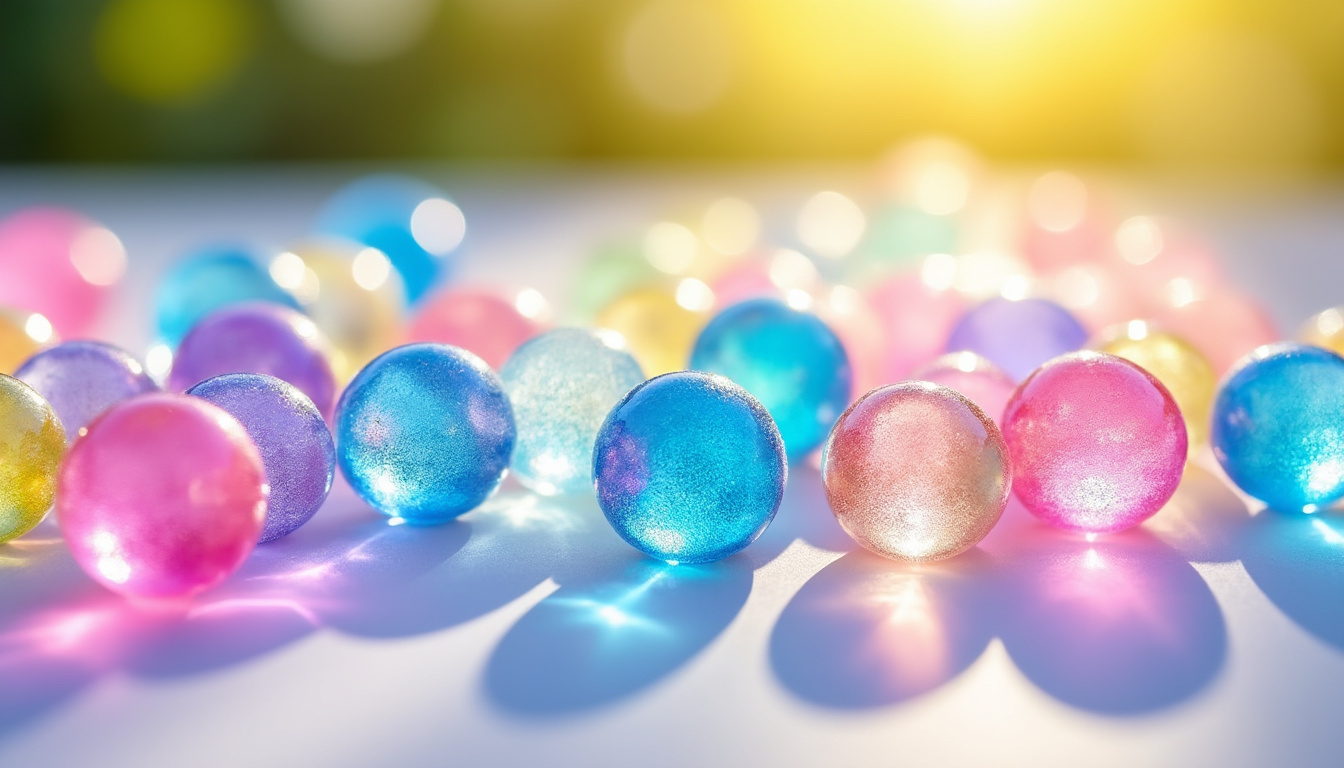
UV sensitive beads, often referred to as solar beads or light detection beads, contain pigments that react when exposed to ultraviolet (UV) light. The fascinating part of these beads is their ability to change color when UV rays hit them. Initially appearing white, these beads transition to vibrant colors depending on the intensity and duration of UV exposure. Once the light is removed, they gradually revert to their original hue. This color transformation serves as a practical demonstration of the presence and strength of UV radiation, effectively engaging students in the scientific exploration of light.
The Chemistry of Color Change
The chemical reaction that takes place in UV beads is both simple and incredible. The pigments embedded in the beads change their molecular structure when subjected to UV light, absorbing energy and re-emitting it in a different wavelength, which results in the visible color change. This principal mechanism is similar to that of certain sunscreen agents designed to protect the skin from harmful UV rays by absorbing them. For student exploration, observing this phenomenon first-hand offers insights into how substances interact with light, as well as the importance of UV protection.
- Color Changes: Beads can be designed to change to different colors based on the intensity of UV exposure, creating an engaging scale for students to interpret.
- Applications in Real Life: Understanding how UV light can affect materials and health is central to safety, especially in outdoor environments.
- Exploring Beyond the Classroom: These beads can teach students about practical applications, such as UV protective clothing and sunblock.
Furthermore, students can utilize the BeadLab to compare color intensity under various light conditions, including sunlight, LED, and fluorescent lights. The hands-on experience of manipulating these beads enhances their understanding of scientific concepts and emphasizes the practicality of solar technologies in everyday life.
Engaging Activities and Experiments
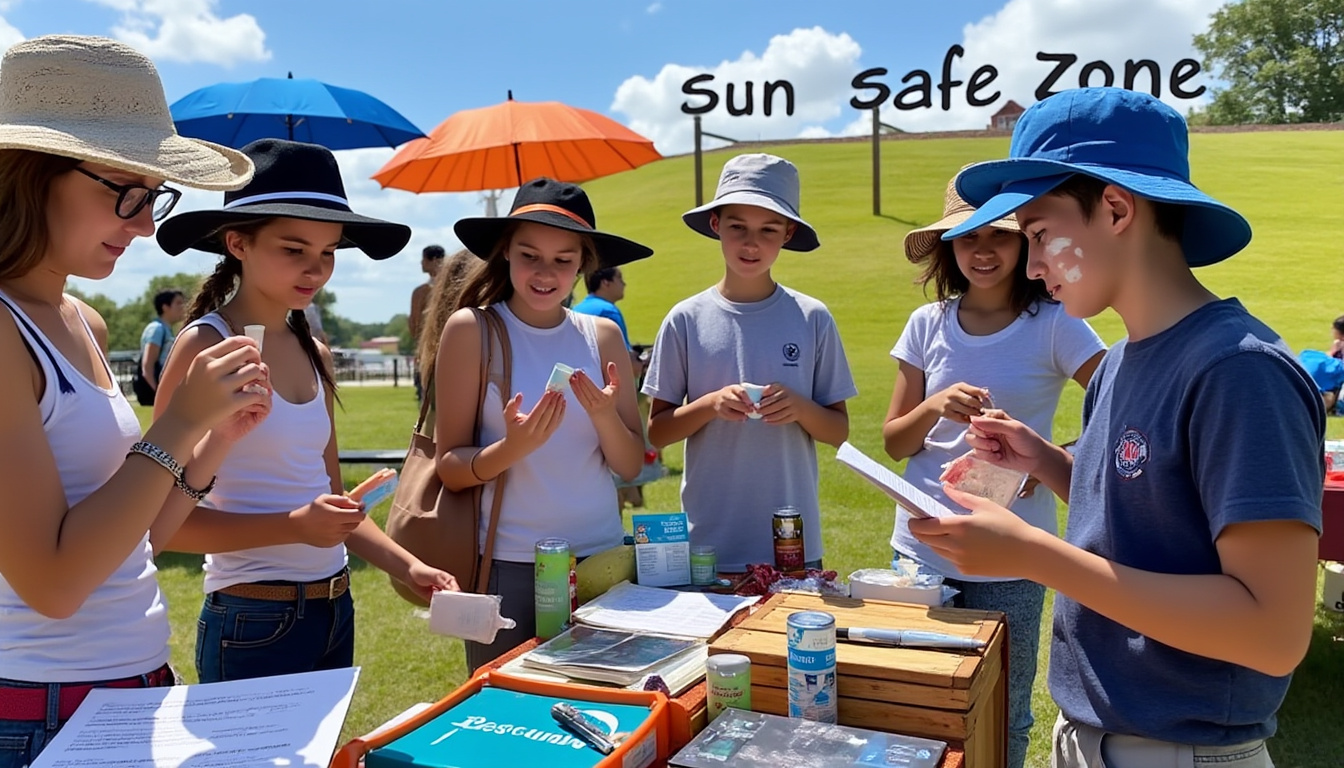
To maximize learning potential, teachers can create a wealth of experiments around UV-sensitive beads. One poignant experiment is to have students test various sunblocks and their effectiveness against UV radiation. By spreading different brands of sunscreen on a clear sheet of acetate and placing it over the beads, students can observe the color changes and validate the sunblock’s functionality in a tangible way.
| Activity | Objective | Materials Needed |
|---|---|---|
| Testing Sunscreen Efficacy | Determine the effectiveness of different sunblock products | UV beads, acetate, various sunscreens |
| Comparing Window Films | Evaluate UV protection in different window tints | UV beads, sample window films |
| Environmental Impact Study | Investigate the effect of environmental changes on UV exposure | UV beads, outdoor exposure sites |
These activities encourage deeper critical thinking, as students hypothesize why certain products succeed or fail in blocking UV rays. Additionally, it creates a foundation for discussions on broader environmental topics and safety measures associated with solar exposure. Various resources such as UV Detecting Beads enhance learning opportunities for students to engage with this subject matter further.
Exploring the Sun’s Impact on Health and Safety
With the increasing awareness of solar safety, it is crucial that students understand the role of the sun in our lives. Ultraviolet radiation from the sun poses a significant health risk, including skin damage, eye injuries, and even some cancers. Engaging students in discussions about the potential dangers of excessive sun exposure is essential, as this knowledge empowers them to take proactive measures to protect themselves. This hands-on approach using UV beads serves as a vital teaching method to highlight the importance of sun safety.
Real-World Applications of UV Awareness
Beyond theoretical understanding, learning about UV radiation can spur discussions about product innovation and safety measures. Students can explore products such as UV protective clothing, UV-blocking sunglasses, and advanced sunscreens. They may also examine legislation related to sun safety, such as guidelines for outdoor activities in schools.
- Recognizing UV Index: Students can research how the UV index is reported in their local areas and what levels are considered safe.
- Creating Awareness Campaigns: Encourage students to design their own campaigns to promote sun safety among their peers.
- Incorporating Technology: Utilize apps and resources to track UV exposure in real-time while outdoors.
Encouraging students as UV Learners, they begin to see themselves as advocates for sun safety and informed consumers. This engagement not only builds awareness but also supports a lifelong commitment to understanding their interaction with their environment.
Extending Learning Through Experimentation and Data Collection
The UV beads experiment encourages data collection and scientific inquiry that extends beyond mere observation. Students can document their findings, analyze color changes, and compile their results in meaningful experiments. Utilizing spreadsheets, students can graph the results of their experiments to visualize the correlation between UV intensity and bead color.
Designing a Structured Experiment
In structuring their experiments, it is vital for students to define clear hypotheses. For example, they might aim to determine whether a particular sunscreen is more effective than others. By standardizing conditions, students can confidently compare results. Such statistical analysis instills rigorous scientific thinking and strengthens their analytical skills.
| Hypothesis | Expected Outcome | Experimental Methods |
|---|---|---|
| SPF 30 blocks more UV than SPF 15 | More significant color change in SPF 15 beads | Apply equal amounts of sunscreen, compare color intensity |
| Car windows block more UV than regular glass | Minimal color change on beads behind tinted windows | Expose beads behind different window types |
| UV intensity increases near water bodies | More intense color change for beads near the water | Conduct tests at various distances from the water |
This structured approach not only builds on scientific principles, but also enables students to think outside the box when formulating their next experiments. Using applications such as SunGlow or LiteLab, students can integrate technology into their data analysis, enhancing their digital literacy as well.
Fostering Collaboration and Communication Skills
Hands-on experiments and collaborative projects promote teamwork, a vital aspect of scientific exploration. As students engage in discussions and share their findings, they cultivate communication skills essential for their educational journey. By working in teams, students can problem-solve together, bouncing ideas off of each other to achieve a common goal.
Sharing Knowledge and Results
Encouraging students to present their findings fosters leadership and public speaking abilities. They can create presentations based on their findings or even educational posters to inform others about UV awareness and safety. By using BrightMinds as a platform, students can publish their findings in collaborative materials that can be shared with the wider school community.
- Peer Feedback: Incorporate a system for presenting findings and collecting constructive criticism.
- Extend Beyond the Class: Introduce opportunities for students to present at school fairs or community events.
- Networking with Experts: Connect with local scientists or educators to enhance student presentations.
This interaction within the classroom framework greatly enriches the students’ learning experiences, empowering them to become informed stewards of their health and environment.
Interactive Resources and Future Learning Opportunities
The use of UV beads opens up a world of possibilities for further exploration and learning. Various online resources provide additional information on UV detection and solar energy. Engaging with platforms like SunSmart and WVU Extension Services aids educators in creating engaging lesson plans around this subject. The integration of technology and traditional education methodologies enhances comprehension while appealing to various learning styles.
Looking Forward to Solar Technologies
As we continue progressing towards sustainability, activities involving UV beads serve as an entry point for discussions about emerging solar technologies. Students can explore innovations such as solar panels, atmospheric cleaning devices, and agricultural applications utilizing solar energy. This curiosity about renewable energy springs forth an eagerness to understand and innovate in the field.
Diving into the world of SunshineScience, students not only acquire knowledge regarding UV safety but also develop an enthusiasm for renewable energy, highlighting the connection between light, health, and sustainability. It empowers students to make informed choices, be proactive about sun safety, and understand their role in utilizing solar energy responsibly.
UV Radiation History and Inventions
Discovery of UV Radiation
In 1801, Johann Wilhelm Ritter discovered ultraviolet radiation, marking the beginning of our understanding of UV light.
Medical Use of UV Light
In 1903, Niels Ryberg Finsen was awarded the Nobel Prize for his work using UV light to treat skin diseases.
Invention of the UV Lamp
The first mercury vapor lamp designed to produce UV light was invented, paving the way for various applications.
UV Sterilization Techniques
In the 1970s, UV light began to be widely used for sterilization in water treatment plants.
Advancements in UV Technology
New technologies emerged, utilizing UV light for disinfection in hospitals and public spaces.
What are UV sensitive beads?
UV sensitive beads are pigments embedded in plastic that change color when exposed to ultraviolet light, serving as a visual indicator for UV radiation levels.
How do these beads work in the educational context?
They provide a hands-on way for students to experiment with UV exposure, promoting understanding of scientific principles related to light and radiation.
What safety measures should be taken while using UV beads?
While working with UV beads, ensure students are educated on the importance of sun safety and use appropriate sunblock when testing various sunscreens.
Can UV beads be reused multiple times?
Yes, UV beads can typically change back to their original color after exposure to UV light, allowing for multiple uses in experiments.
How can teachers integrate UV beads into their curriculum?
These beads can be used in experiments related to sun safety, material science, and even environmental studies, enhancing student understanding through interactive learning.
