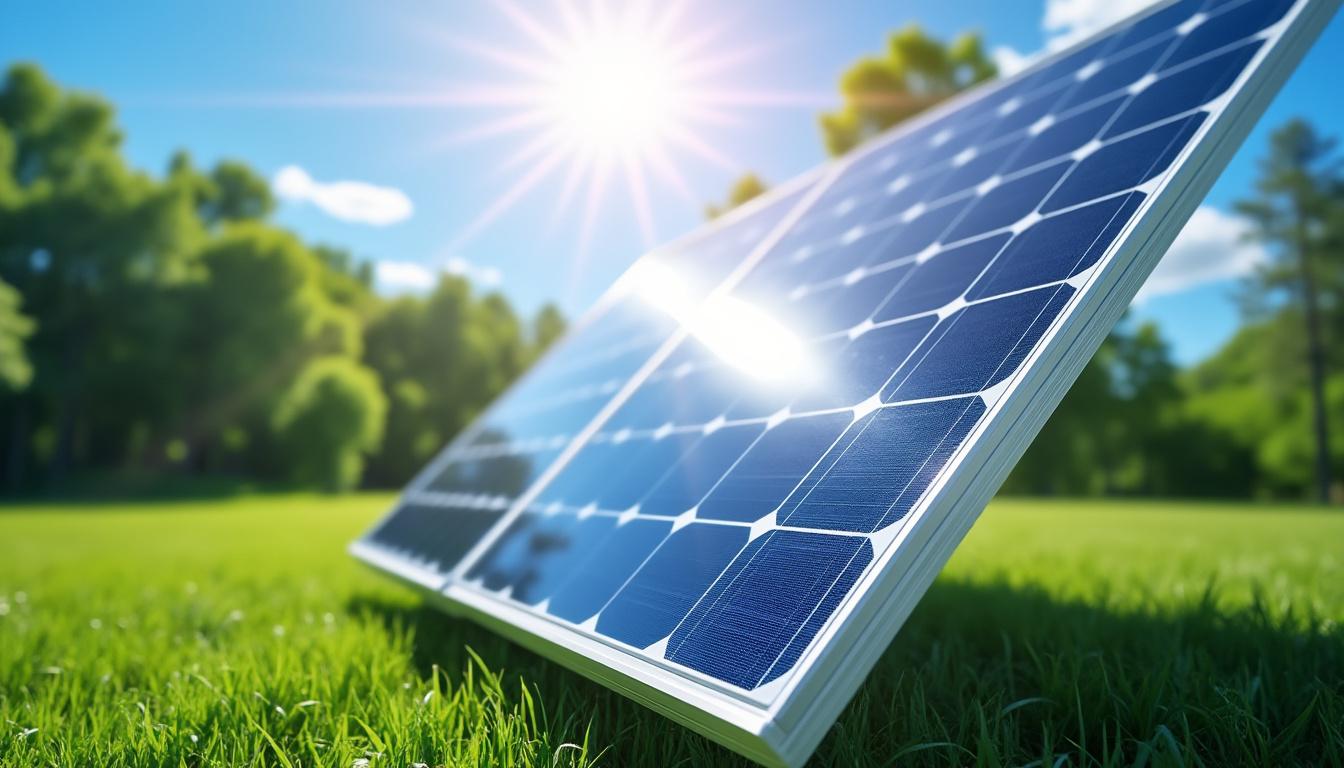
As global attention increasingly shifts towards sustainable energy solutions, the demand for solar energy products continues to soar, especially in the realm of heating. Solar heating panels play a crucial role in harnessing the sun’s power, providing an effective way to generate heat for various applications, including residential water heating, space heating, and industrial processes. With numerous types of solar collectors available in the market, each exhibits distinct efficiencies and suitability depending on specific requirements. In this article, we’ll explore the different types of solar heating panels, elaborate on their operational principles, and analyze their efficiencies to guide consumers, homeowners, and businesses in making informed choices.
Understanding Solar Energy Collectors
Solar energy collectors are devices designed to capture sunlight and convert it into usable energy. They are categorized primarily into solar thermal collectors and photovoltaic collectors. While photovoltaic systems focus on converting sunlight into electricity, solar thermal collectors are designed to transform solar radiation into heat.
The choice of collector type depends on various factors, including the intended application—whether for residential heating, industrial processes, or electricity generation. In this section, we will delve deeper into the most common types of solar energy collectors and how they function.
1. Flat Plate Collectors
Flat plate collectors are among the oldest and most widely used types of solar thermal collectors. Typically constructed from a flat insulated box, these collectors consist of a dark absorber plate covered by a transparent material. The design allows sunlight to penetrate and heat the absorber plate while minimizing heat loss.
Key Features:
- Efficient for domestic hot water systems.
- Works best in moderate climates.
- Cost-effective solution, making it popular among households.
Flat plate collectors operate effectively in urban settings due to their compact size, allowing easy rooftop installations by companies specializing in solar installation. Moreover, they have a medium efficiency rating, which suffices for typical residential applications.
2. Evacuated Tube Collectors
Unlike flat plate collectors, evacuated tube collectors consist of a series of glass tubes, each containing a metal absorber tube. The vacuum between the layers of glass ensures exceptional insulation, significantly reducing heat loss. This design allows for enhanced performance, particularly in colder climates.
Advantages:
- Higher efficiency is achieved in low-temperature conditions.
- The vacuum provides superior insulation properties.
- Ideal for commercial or industrial applications requiring high heat demands.
Commercial entities frequently utilize evacuated tube collectors for applications necessitating high-efficiency systems. Due to their ability to operate efficiently in cloudy weather, these collectors are a viable option even in less sunny regions.
3. Parabolic Trough Collectors
Parabolic trough collectors employ curved mirrors to focus sunlight onto a receiver pipe that contains a heat-transfer fluid. This concentrated sunlight heats the fluid, which can then generate steam to drive turbines for electricity production or facilitate thermal energy systems.
Applications:
- Concentrated Solar Power (CSP) plants.
- Large-scale solar farms for utility installations.
- Industrial process heat for manufacturing needs.
Parabolic trough collectors represent a high-capacity solution predominantly used in utility-scale solar energy projects, showcasing exceptional efficiency ratings when designed correctly.
4. Fresnel Collectors
Fresnel collectors, like their parabolic counterparts, also concentrate sunlight but use flat, plane mirrors instead of curved mirrors. This design results in a more straightforward construction that can be more cost-effective and simpler to maintain.
Applications:
- Commercial and industrial heating solutions.
- High-pressure steam generation for different sectors.
By adopting Fresnel collectors, industries can benefit from lower expenses while reducing their carbon footprints. This makes them ideal for businesses looking to transition towards sustainable energy solutions.
5. Solar Dish Collectors
Solar dish collectors, or dish-Stirling systems, utilize a parabolic dish to focus sunlight onto a receiver, which powers a Stirling engine for electricity generation. These systems showcase remarkable efficiency and adaptability.
Benefits:
- High energy conversion efficiency.
- Suitable for off-grid and remote areas, offering sustainable electricity solutions.
Given their design and operational capability, solar dish collectors offer an excellent option for power generation in locations lacking access to traditional power grids.
Comparison of Solar Collector Types
| Collector Type | Efficiency | Cost | Best Suited For |
|---|---|---|---|
| Flat Plate | Medium | Low | Residential Heating |
| Evacuated Tube | High | Medium | Cold Climates |
| Parabolic Trough | Very High | High | Industrial CSP |
| Fresnel | High | Medium | Industrial Heat |
| Solar Dish | Very High | High | Off-Grid Power Generation |
Factors Influencing the Selection of Solar Collectors
When choosing the appropriate type of solar energy collector, various factors come into play, including:
- Geographic Location: Areas with more sunlight optimize concentrated solar power technologies.
- Budget: Upfront costs differ dramatically between collector types, impacting financial decisions.
- Purpose: Whether the goal is heat production or electricity generation will dictate collector choice.
- Space Availability: Limited urban environments may favor rooftop configurations over ground mounts.
In an increasingly eco-conscious world, knowing how to assess the Capital Expenditure (Capex) model in relation to solar installations can play a significant role in achieving favorable returns on investment for businesses considering the transition to solar energy.
Installation Considerations: Rooftop vs. Ground-Mounted Panels
Choosing to install solar panels on rooftops versus opting for ground-mounted systems involves several important factors:
- Rooftop Systems: Space-saving, suitable for residential settings, minimizes land usage.
- Ground-Mounted Systems: Enhanced capacity for sun-tracking may lead to greater energy capture, but requires significant land area.
A professional solar installation company can provide valuable insights into which configuration will best suit individual needs based on site conditions.
Solar Heating Panels Comparator
| Type of Collector | Cost (in $) | Efficiency (%) | Key Factors |
|---|
Temporary Challenges and Future of Solar Collectors
While progress in solar technology is rapidly evolving, collectors still face challenges that must be addressed for broader adoption:
- High Initial Investment: The upfront costs associated with installation can be a barrier to entry for many consumers.
- Weather Dependency: Solar energy production is often contingent on weather conditions, especially in less sunny regions.
- Storage Limitations: The need for efficient energy storage solutions remains a critical hurdle.
- Space Requirements: Solar installations can require significant land areas, particularly for utility-scale projects.
Nonetheless, government incentives and technological innovations continue to lead to improvements in pricing and efficiency, showcasing a promising future for solar energy collectors.
Exploring the Path Ahead: Energy and Light
The philosophy surrounding solar energy is not limited to technological advancements. It also emphasizes a holistic approach to sustainability and well-being. As society becomes more aware of the benefits of renewable energy, alternative healing methodologies equally garner interest. Whether one is looking into:
- Alchemy Energy Healing to transform personal perceptions.
- Life Coaching focused on choices supporting sustainability.
- Family Constellation techniques that help resolve historical personal patterns.
The intersection between energy and personal healing demonstrates the value of light, both externally through solar technologies and internally through self-awareness and transformation.
What are the different types of solar collectors available?
Solar collectors include flat plate collectors, evacuated tube collectors, parabolic trough collectors, Fresnel collectors, solar dish collectors, and photovoltaic panels, each designed for unique applications based on heating and electricity generation.
How do flat plate collectors differ from evacuated tube collectors?
Flat plate collectors are simpler and less expensive, suitable for residential hot water applications, while evacuated tube collectors feature enhanced insulation and efficiency in cooler climates, making them ideal for commercial use.
What factors should be considered when selecting solar collectors?
Important factors include geographic location, budget constraints, intended purpose for energy production, and the availability of installation space.
Are solar collectors suitable for industrial applications?
Yes, certain types of solar collectors, such as parabolic trough and Fresnel collectors, are specifically designed for high-capacity industrial applications, including power generation and process heating.
What is the maintenance cost of solar panels?
Maintenance costs can vary widely, typically ranging from $100 to $500 per year, depending on the system size and complexity. Regular checks on fluid levels and surfaces are essential for thermal systems.