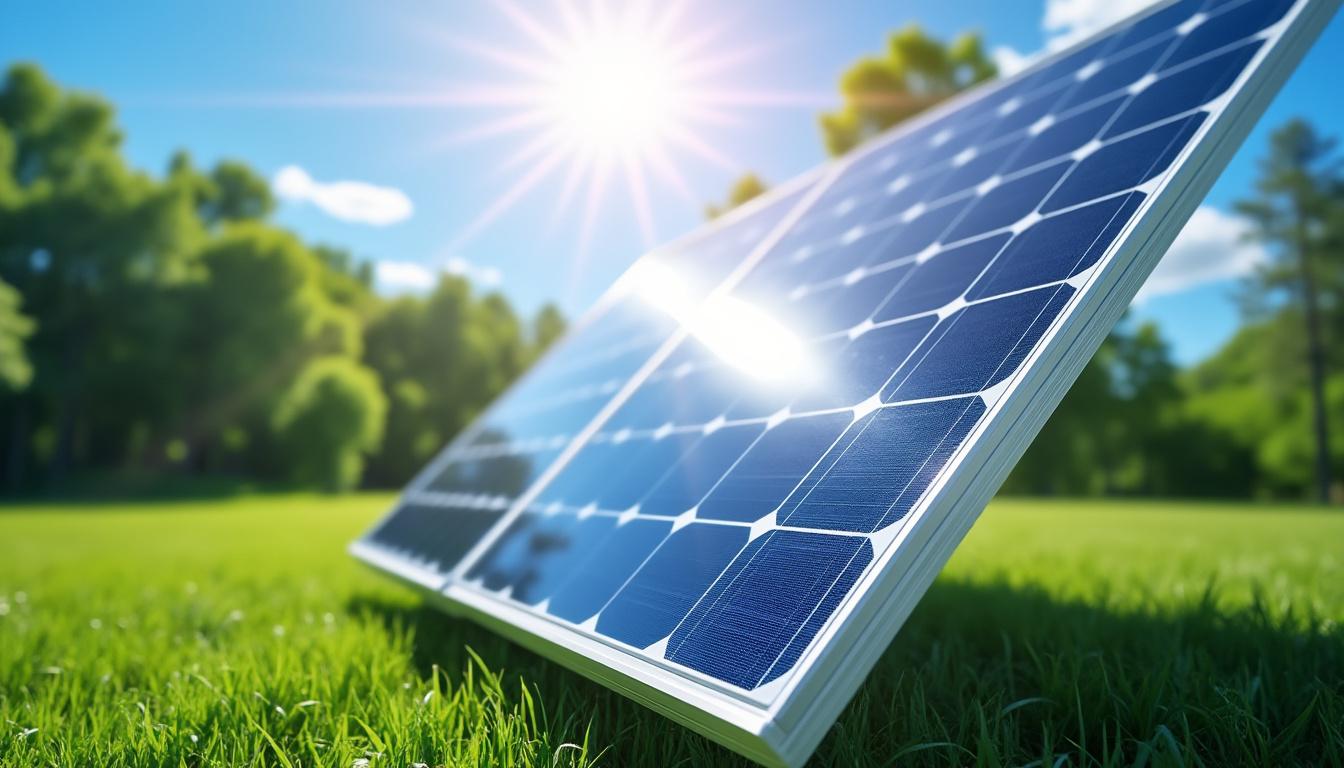
As the world keynotes its shift toward sustainable energy, solar energy stands as a beacon of promise. Almost everywhere you look, solar panels are being installed on rooftops, in fields, and on new solar farms. This growth, however, raises inherent questions about safety and the materials used in solar panel manufacturing. Are they safe? Do they pose health risks to the people living nearby or using them? Understanding solar panels’ safety is essential in clarifying these concerns. With the robust advancements in technology and stringent safety standards laid down by authorities, consumers can unravel the safety protocols surrounding solar panels.
This article delves into the components of solar panels, evaluates potential hazards, and examines safety standards that have transformed the solar energy narrative. Recognizing that approximately 85% to 95% of the materials in solar panels consist of commonly used materials such as glass, plastic, and aluminum can significantly influence public perception. However, debates often center around the less common materials that are present in smaller quantities. Even when concerns arise about cadmium in thin-film panels or lead-based solder in silicon panels, robust encapsulation practices are designed to minimize risks effectively. Safety certification frameworks such as IEC 61215 and UL 1703 further enhance consumer confidence by ensuring high standards throughout the manufacturing process.
Understanding the Composition of Solar Panels
To grasp the safety aspect of solar panels, it is essential to explore their composition. Primarily, solar panels consist of various materials, predominantly in the form of layers that work together to harness solar energy efficiently. The two most prevalent types of solar panels in the market are crystalline silicon panels (C-Si) and thin-film panels, with cadmium telluride (CdTe) being a notable example.
Key Materials Used in Solar Panels
- Silicon: The cornerstone of most solar panels, silicon is a non-toxic mineral making up about 25% of the Earth’s crust. It forms the main solar cells responsible for energy conversion.
- Glass: More than 75% of a solar panel’s surface is covered with glass, designed to withstand environmental stresses, while also providing safety to the components inside.
- Aluminum: Often used for framing, aluminum provides structural support while being lightweight and resistant to corrosion.
- Encapsulants: Ethylene vinyl acetate (EVA) is a key component that encapsulates the solar cells, increasing durability and protecting them against environmental damage.
The materials used in solar panels are generally safe in their incorporated form. According to studies, traditional crystalline silicon panels have a low risk profile. They average about 12-15 grams of lead per panel, comparable to the amount found in less hazardous contexts. In contrast, thin-film panels use only 7 grams of cadmium telluride, which is less than the toxic cadmium metal, marking a significant difference in the overall hazard perception. Understanding these nuances is critical; it becomes apparent that while certain materials may sound concerning, the practical risk they pose is often overstated.
| Material | Function | Concerns |
|---|---|---|
| Silicon | Energy conversion | Non-toxic |
| Glass | Protection and durability | Potential for breakage |
| Aluminum | Frame support | Corrosion over time |
| EVA | Encapsulation | Recycling concerns at end-of-life |

Potential Risks Associated with Solar Panels
The conversation around solar panel safety is often cluttered with misconceptions regarding environmental and health risks. While it is correct to be mindful of materials like lead in silicon and cadmium in cadmium-telluride panels, the industry has made significant strides in mitigating potential hazards. Understanding the real risks associated with solar panels requires an exploration of various scenarios and their implications.
Environmental Impact of Solar Panel Materials
One common concern is whether the materials in solar panels can leach into the soil or surrounding environment. However, numerous studies indicate that under normal operating conditions, solar panels do not pose a significant environmental threat. Advances in encapsulation technology, such as the protective EVA layers, strengthen the internal components, thereby minimizing water intrusion. Here are some crucial findings from various studies:
- Research shows that environments beneath installed solar arrays exhibit no concerning levels of harmful materials.
- Tests involving cracked solar panels revealed no significant release of toxic materials, indicating robust protective measures.
- The absence of hazardous materials leaching is largely attributed to superior encapsulation technology and the application of stringent manufacturing standards.
Another aspect worth addressing is the response of solar panels during extreme weather events like hurricanes or fires. Solar panels are tested rigorously to withstand these challenging conditions. During Hurricane Florence, for instance, installations with up to 600,000 panels exhibited limited damage despite facing wind speeds of 130 miles per hour. Studies conducted involving fire tests have also shown that solar panels made mainly of glass, aluminum, and plastic typically release minimal harmful toxins even under extreme heat, thanks to effective encapsulation, which seals harmful substances within the panels.
Natural Disasters and Solar Panel Resilience
- Hurricanes: Solar arrays have shown they can endure significant storms with limited damage. The majority of modules remain functional following extreme weather events.
- Fires: Fire tests evaluate how panels behave during flames, with studies indicating minimal toxin release due to the EVA layer melting and trapping contaminants.
- Hail: Panels are designed to resist hail and impact, further enhancing their safety profile in adverse conditions.
| Event Type | Observed Impact | Safety Measures |
|---|---|---|
| Hurricane | Limited panel damage | Rigorously tested for wind resistance |
| Fire | Minimal toxin release | EVA encapsulation melting to trap harmful substances |
| Hail | Impressive durability | Choice of robust impact-resistant materials |

Safety Standards for Solar Panels
The integral components of solar panel safety lie in the adherence to industry standards. Regulatory bodies like the International Electrotechnical Commission (IEC) and Underwriters Laboratories (UL) have laid out stringent safety certifications to ensure that solar panels perform reliably and safely over time. Following these guidelines is crucial for manufacturers seeking to provide safe solar solutions.
International Standards Governing Solar Panels
The two primary standards for solar panels are the IEC 61215 and UL 1703. Below are the defining features of these critical safety standards:
IEC 61215: This standard covers design approval and qualification testing, focusing on ensuring panels withstand a variety of environmental conditions, such as thermal cycling and mechanical loads. Essential aspects include:
- Modules must show less than 5% power degradation after rigorous testing.
- Testing occurs under controlled conditions with temperature extremes and humidity assessments.
UL 1703: This standard is crucial for the North American solar market. Its focus encompasses electrical safety, fire resistance, and structural integrity. Critical features include:
- Temperature cycling tests to evaluate insulation integrity.
- Extensive mechanical load testing simulating environmental stresses.
- Regular re-testing to maintain compliance.
| Standard | Focus | Main Features |
|---|---|---|
| IEC 61215 | Design Qualification | Power degradation testing, environmental condition exposure |
| UL 1703 | Electrical Safety | Mechanical load tests, temperature cycling, insulation verification |
Ensuring Safety in Your Solar Installation
Homeowners and businesses looking to invest in solar technology must not overlook safety in their installations. Understanding the roles of certification, professional installations, and regular maintenance can enhance security while maximizing benefits from solar energy systems.
Tips for Safe Solar Installations
- Certification: Always check for appropriate certification marks from recognized laboratories like UL and IEC that assure product safety and compliance with installation codes.
- Professional Installation: Work with qualified installers who have up-to-date credentials and are knowledgeable about local building codes and safety standards.
- Regular Maintenance: Implement a routine for inspections and maintenance to ensure continued safety and reliability of solar panels throughout their lifespan.
- Documentation: Keep a comprehensive record of all installation and maintenance activities for future reference.
Following these guidelines not only enhances the safety profile of solar panel systems but also assures compliance with regulations that promote safe practices throughout the industry. In doing so, stakeholders contribute to a balance of environmental safety and energy production.
Maintaining Compliance in Solar Installations
Create a compliance checklist covering all essential certification requirements and installation standards. Each component must be documented throughout various stages – from manufacturing and installation to maintenance checks.
| Checklist Item | Importance | Frequency |
|---|---|---|
| Certification Verification | Ensures compliance with safety standards | Pre-installation and regular reviews |
| Professional Installation | Mitigates risks from improper installations | Once, with updates as needed |
| Regular Maintenance Checks | Maximizes system performance and safety | Annually |
Are Solar Panels Safe?
Safety Standards Compliance Checklist
- UL 1703 – Standard for Flat-Plate Photovoltaic Modules
- IEC 61215 – Glass-Encapsulated Photovoltaic Modules
- IEC 61730 – Photovoltaic Module Safety Qualification
- ISO 9001 – Quality Management Systems
- RCM Mark – Regulatory Compliance Mark in Australia
Material Safety Information
Lorem ipsum dolor sit amet, consectetur adipiscing elit. Quisque consectetur quam nec eros accumsan interdum.
Are solar panels safe to install?
Yes, solar panels are safe to install when following industry safety standards and proper installation protocols. Manufacturers like SunPower and Canadian Solar adhere to strict safety certifications.
What are the risks associated with solar panels?
The primary risks involve potential material toxicity from substances like lead and cadmium, but rigorous testing and encapsulation minimize these risks significantly.
How can I ensure my solar panels are safe?
Regular inspections, professional installations, and ensuring compliance with safety standards such as UL and IEC can help ensure the safety of solar panels.
What materials are used in solar panels?
Common materials include silicon, glass, aluminum, and ethylene vinyl acetate (EVA), which are largely safe in their final assembled form.
What standards govern solar panels?
Key standards include IEC 61215 for design qualification and UL 1703 for electrical safety, ensuring solar panels meet rigorous quality and safety benchmarks.