

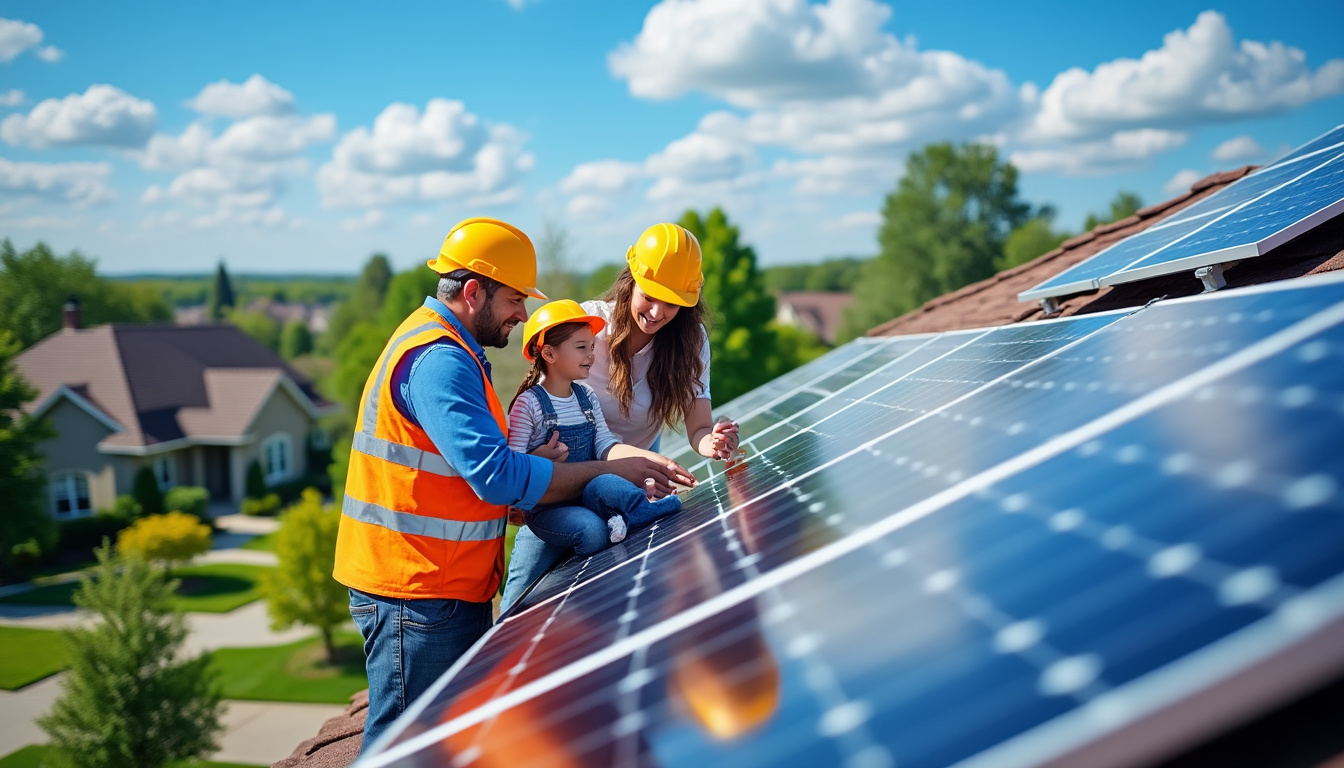
The increasing reliance on solar energy has raised significant questions regarding the associated risks of solar panels. As the world transitions toward renewable energy sources, understanding the safety, toxicity, and regulatory standards governing solar panel usage has never been more critical. This article delves into the various hazards linked to solar panels, from electrical and fire risks to environmental impacts and material degradation, providing a comprehensive overview of what consumers and industry players should consider.
- Understanding Electrical Hazards
- Fire Risks Associated with Solar Panels
- Material Degradation and its Environmental Impact
- Weather Impacts on Safety and Performance
- Best Practices for Safe Solar Panel Usage
Understanding Electrical Hazards
The incorporation of solar energy systems into residential or commercial infrastructures inevitably introduces electrical hazards. Many of these risks arise during the crucial installation and maintenance phases, where technicians often work with high-voltage systems. The improper installation can lead to exposure to dangerous electrical currents, which could result in severe injuries or even fatalities.
Some prevalent electrical hazards include:
- Improper Isolation: When technicians fail to isolate the solar system from the electrical grid before commencing work, it significantly increases the danger of electrical shock.
- Equipment Malfunction: Solar panels may deteriorate due to environmental exposure, leading to insulation breakdowns and electrical arcs that can potentially ignite fires.
- Lack of Training: An inadequately trained workforce can exacerbate electrical safety issues, resulting in negligence during installation or maintenance.
To mitigate these hazards, it is critical to ensure that solar energy companies provide comprehensive training for their personnel. Proper signage and protective measures around high-voltage areas can prevent unnecessary risks. Furthermore, adhering to manufacturer guidelines and using appropriate personal protective equipment (PPE) are essential to minimizing electrical hazards.

Preventive Measures against Electrical Hazards
Implementing safety measures is paramount to counteracting electrical hazards. Regular inspections and thorough preventative maintenance play critical roles in identifying risks before they escalate. Among the recommended preventive measures are:
| Preventive Measure | Description |
|---|---|
| Regular Inspections | Conduct periodic assessments to identify potential issues with electrical wiring and equipment. |
| Adherence to Guidelines | Ensure all installations comply with manufacturer guidelines and local regulations to enhance safety. |
| Proper Training | Regularly train technicians in the latest safety protocols and procedures to minimize risk. |
Fire Risks Associated with Solar Panels
Fire hazards emerging from solar panel electricity generation are another significant concern. The risks stem primarily from electrical faults such as short circuits, defective wiring, and improper installations.
Notable factors contributing to fire risks include:
- Improper Installation: An inadequately installed system can degrade over time, giving rise to shorts that ignite sparks near flammable materials.
- Faulty Components: Wires, connectors, and junction boxes might combine to create a fire hazard if not installed correctly or maintained regularly.
- Material Quality: Using non-compliant materials with higher flammability levels can exacerbate fire risks. Certified and high-quality components should be employed to ensure safety.
Fire departments are increasingly encountering incidents linked to solar panel systems, often stemming from electrical faults. This reality underlines the crucial need for precautionary measures during installation. Appropriate installations must include the installation of protective circuit breakers to manage excess current flow effectively.

Maintenance and Monitoring Practices
Another critical area to consider in mitigating fire risks is the regular maintenance of solar systems. Neglected maintenance can lead to unaddressed issues becoming significant fire hazards over time. Implementing routine inspections and maintenance serves to:
| Maintenance Practice | Description |
|---|---|
| Routine Checks | Ensure connections and wiring are secure and damage-free to minimize fire risks. |
| Immediate Repairs | Rectify any identified hazards promptly to avoid potential fire outbreaks. |
| Awareness Training | Educate solar panel owners on fire safety practices and encourage proactive measures. |
Material Degradation and its Environmental Impact
While solar panels boast long lifespans, material degradation poses an often-overlooked concern that can lead to hazardous waste. The materials commonly used in solar panels can leach into the environment as they degrade. Heavy metals such as lead and cadmium, present in many panels, can pose health risks if not managed properly.
The lifecycle of solar panels typically spans two to three decades, yet specific points during their usage can trigger material degradation:
- Environmental Exposure: Prolonged exposure to elements can weaken panel materials, affecting both efficiency and safety.
- Improper Disposal: If discarded without adherence to eco-friendly practices, the potentially toxic components can contaminate soil and water sources.
- Insufficient Recycling Programs: A lack of established recycling initiatives exacerbates the problem, leading to increased waste and environmental pollution.
Importance of Recycling and Responsible Disposal
Given the environmental implications of solar panel degradation, creating effective disposal and recycling programs is crucial to reducing the ecological footprint of solar products. This includes:
| Recycling Effort | Description |
|---|---|
| Collaboration with Recycling Centers | Partnering with local recycling facilities can ensure safe disposal of hazardous materials from old panels. |
| Guidelines for Safe Disposal | Developing clear guidelines can help solar panel manufacturers and consumers manage end-of-life products responsibly. |
| Innovative Material Development | Invest in research to create more durable and less hazardous materials for future solar panel technologies. |
Weather Impacts on Safety and Performance
Weather conditions significantly influence the safety and efficiency of solar power systems. Extreme weather events, such as heavy snowfall or hurricanes, can adversely impact both the functionality and safety of solar installations.
Key weather-related risks include:
- Structural Damage: High winds or heavy snow can physically damage solar panels or systems, leading to failures or hazards.
- Debris Accumulation: Snow, ice, or debris can decrease panel efficiency and create pressure points that threaten structural integrity.
- Operational Risks: During adverse weather, maintenance becomes hazardous, raising the likelihood of accidents for technician personnel.
Mitigation Strategies for Weather Risks
To safeguard against weather-related risks, homeowners and businesses should consider:
| Mitigation Strategy | Description |
|---|---|
| Appropriate Mounting | Install panels at angles that prevent snow accumulation and withstand heavy winds. |
| Frequent Assessments | Conduct regular inspections following weather events to ensure no safety hazards have arisen. |
| Tech Upgrades | Invest in technologies such as weatherproof panels to improve durability and performance. |
Best Practices for Safe Solar Panel Usage
Establishing safe practices when utilizing solar panels is paramount for homeowners and companies alike. By recognizing and implementing effective safety protocols, the risks associated with solar energy systems can be minimized. Here are essential best practices:
- Qualified Installation: Always hire accredited technicians for installation, ensuring adherence to safety standards.
- Routine Maintenance: Implement a schedule for regular maintenance checks to identify potential risks promptly.
- Educate Users: Provide training for users and technicians about the hazards and safe practices associated with solar installations.
| Best Practices | Benefit |
|---|---|
| Follow Safety Regulations | Ensures compliance with health and safety standards, minimizing risks. |
| Use Quality Components | Utilizes high-quality materials to reduce hazards linked to fire and electrical risks. |
| Implement Emergency Protocols | Establishes procedures for managing safety incidents effectively. |
What are the common medical risks associated with solar panel installation?
Common medical risks associated with solar panel installation primarily involve physical injuries and electrical shocks. Ensure proper training for technicians and compliance with safety protocols to reduce these risks.
How can solar panel owners ensure fire safety?
Regular inspections, qualified installations, and maintaining a clear surrounding area can significantly enhance fire safety around solar panel systems.
Is there environmental impact associated with old solar panels?
Yes, old solar panels can leach hazardous materials into the environment if not disposed of properly. Implementing recycling programs is essential for managing this issue.
What should homeowners do after an extreme weather event?
Homeowners should have their solar panel systems inspected by certified professionals following extreme weather events to ensure functionality and safety.
What are the main safety standards for solar panels?
Solar panels must adhere to established safety standards to minimize electrical hazards, including proper installation and the use of certified components.
