


As commercial property owners increasingly grapple with rising energy costs and sustainability demands, solar energy emerges as a compelling solution that marries financial prudence with environmental responsibility. The integration of solar panels can lead to remarkable savings and provide a solid return on investment, making it not just a sustainable choice, but a strategic business decision as well. With advancements in technology and available federal and state incentives, businesses looking to transition to renewable energy find a supportive landscape that enhances their bottom line while contributing positively to their community’s environmental footprint. Solar power’s influence on commercial buildings stretches far and wide, impacting everything from energy bills to property value, and even attracting a conscientious consumer base eager to align with businesses that prioritize green initiatives. Understanding the specifics of return on investment (ROI) related to solar energy installations is crucial in navigating this green transition.
Benefits of Solar Power for Commercial Buildings
The adoption of solar energy in commercial buildings brings a variety of benefits that extend beyond just reducing electricity costs. Among these benefits, the most significant include:
- Significant Cost Savings: By generating their electricity, businesses can dramatically reduce their reliance on grid power, leading to substantial long-term savings on energy bills.
- Energy Independence: Solar panels offer a degree of energy autonomy, insulating businesses from volatile energy markets and future price hikes.
- Enhanced Property Value: Properties equipped with solar systems tend to have higher market values, making them more attractive to potential buyers and tenants.
- Environmental Impact: Utilizing solar power reduces greenhouse gas emissions and minimizes a business’s carbon footprint, aligning with growing environmental accountability.
- Tax Incentives: Many federal and state governments provide significant tax credits and rebates, thus lowering the initial costs associated with solar installations.
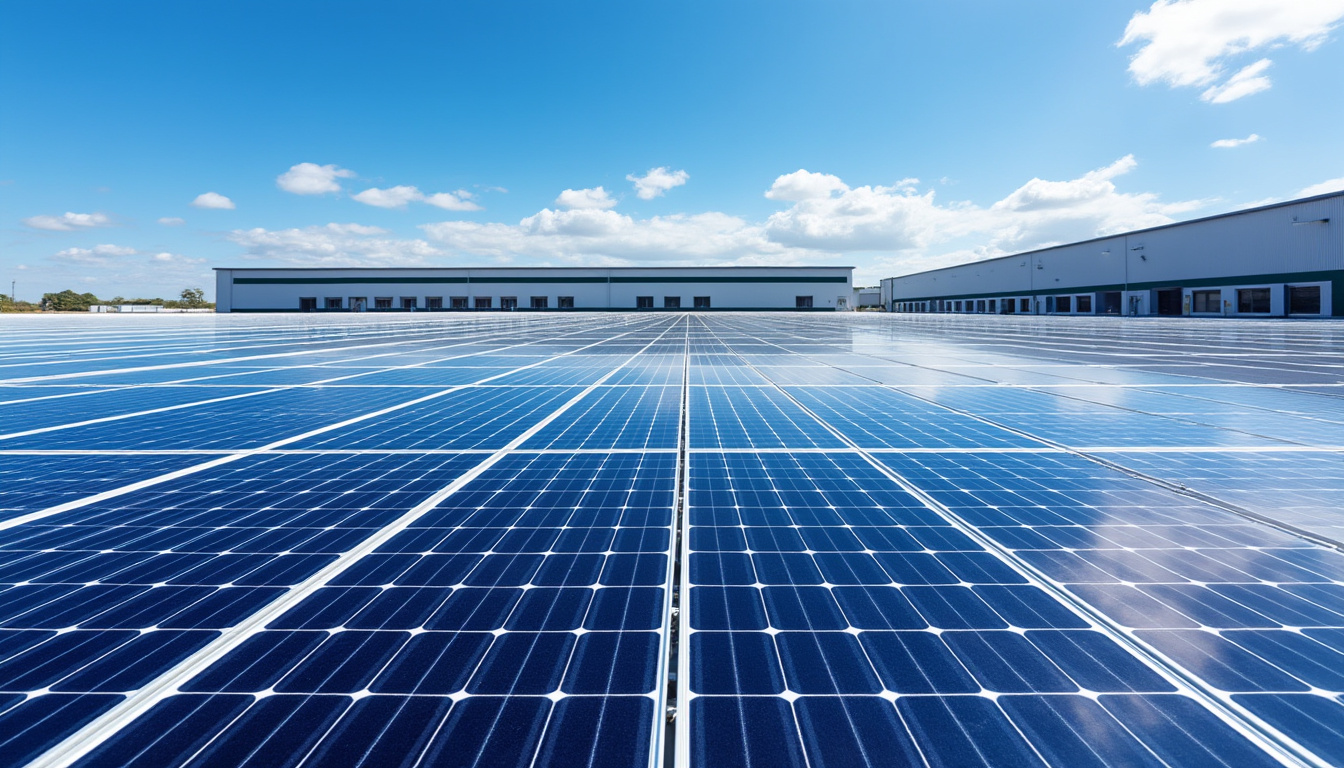
One notable example is Debonné Vineyards in Ohio, which shifted to solar power in early 2025. With an investment exceeding $400,000, the winery has cut electricity costs nearly in half, exemplifying the tangible savings associated with solar installations. Such success stories inspire other businesses to assess the potential returns from integrating solar energy systems.
Financial Implications: Understanding ROI in Solar Installations
When evaluating the viability of a commercial solar investment, comprehending the return on investment (ROI) is a fundamental aspect. To calculate ROI, businesses must consider several financial metrics, including installation costs, energy savings, and tax benefits.
For instance, if a company invests $100,000 in a solar system and generates $150,000 in savings over five years, the ROI would be calculated as follows:
ROI = (Profit / Investment) x 100%, leading to a ROI of 150% in this scenario. The swift calculations reveal immediate profitability stemming from reduced operational costs.
Further, the difference between ROI and payback periods is vital to note. While ROI indicates the total profitability, the payback period highlights how long it will take to regain the initial investment, encapsulating a more pragmatic approach to assessing solar investments.
Moreover, the Internal Rate of Return (IRR) provides deeper insight into the financial benefits of solar installations, factoring in the time value of future energy savings. Many solar installations show IRR figures exceeding 32%, validating the financial robustness of solar power for commercial use.
Estimating Costs and Potential Savings
Calculating the expected costs for a commercial solar installation involves several components, including initial installation, maintenance, and operational expenses. Understanding these components and forecasting the benefits provides a clearer picture of potential savings. One of the primary factors is the installation cost, which is influenced by:
- System Size: Larger systems generally result in greater savings but require higher initial investments.
- Location and Complexity: Roof size, angle, and shading can complicate installation, affecting overall costs significantly.
- Local Permitting and Labor Costs: These can also lead to variable project costs that differ by region.
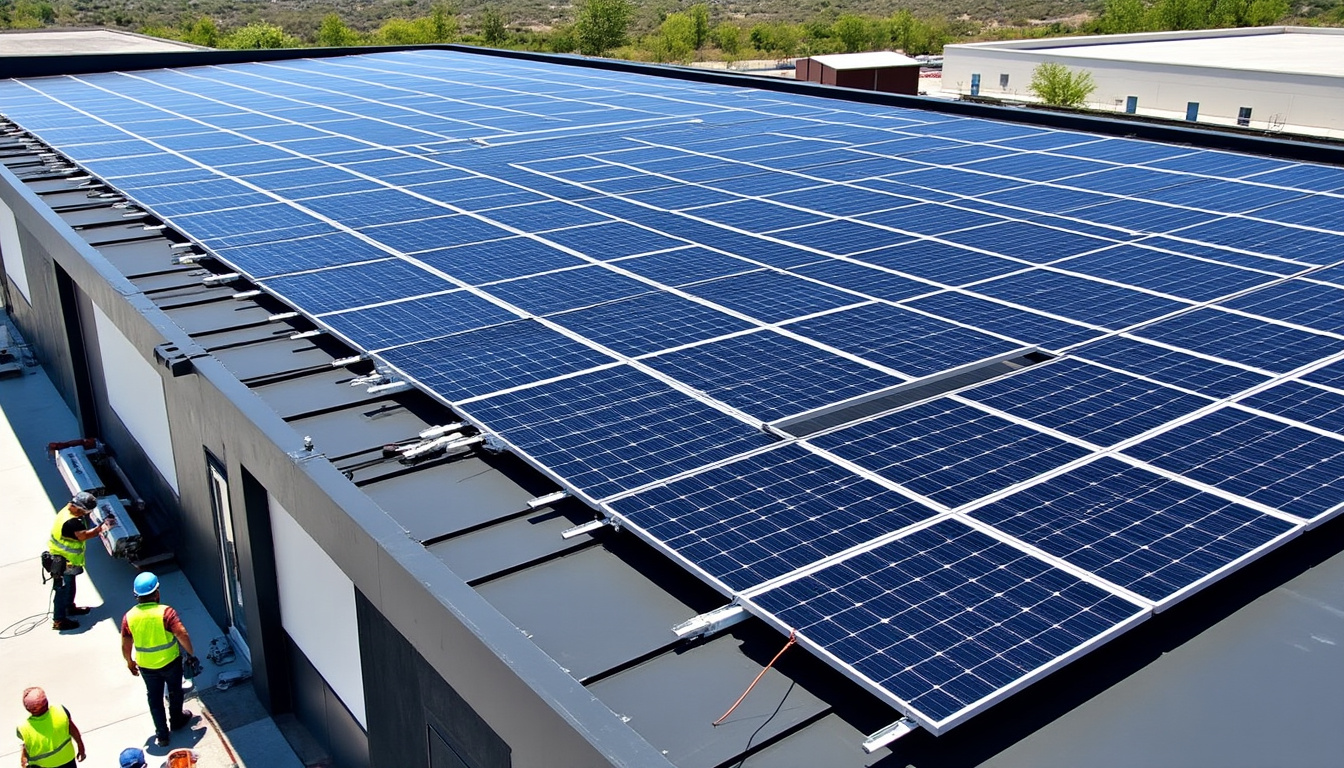
What’s encouraging is that the price of solar systems has been on a steady decline, easing the burden on businesses transitioning to green energy. By comparing energy costs against expected solar production, businesses can further estimate potential savings. Variables such as solar irradiance, system size, and efficiency are crucial to these calculations. For instance, tracking energy bills against solar production forecasts enables businesses to grasp how much they can save while minimizing carbon emissions.
Calculating Payback Periods and Long-term Financial Gains
The payback period is another critical metric that businesses must evaluate when investing in solar energy. It simply refers to the time required for cumulative energy savings to equal the initial investment. Shorter payback periods often correlate with stronger ROI figures. To calculate the payback period, divide the total installation cost by the average annual savings to draw actionable insights into the investment decision.
Significantly, investing in solar energy provides long-term net savings that compound over the lifespan of the system, usually over 25 years.
| Factors | Influence on ROI |
|---|---|
| Installation Cost | Higher initial costs can prolong payback periods |
| Energy Savings | Directly correlates with ROI, and can be substantial |
| Government Incentives | Can dramatically decrease installation costs and shorten payback windows |
| Performance Degradation | Solar panels typically maintain around 80% of their value after 25 years |
The adoption of solar technology leads to substantial long-term financial benefits that surpass the initial outlay, offering businesses a viable path toward energy independence and sustainability.
Strategies to Optimize ROI in Commercial Solar Projects
To maximize the financial return on solar investments, businesses can adopt several key strategies. Optimizing every aspect of the system is crucial, including:
- Ensuring Ideal Orientation: Maximizing sun exposure through strategic panel placement increases energy generation.
- Choosing High-Efficiency Panels: Investing in advanced solar technology like those from SunPower, First Solar, or Canadian Solar can enhance overall energy output.
- Evaluating Financing Options: Businesses should consider various financing arrangements, such as power purchase agreements (PPAs) or solar leases, to accommodate different financial conditions.
Additionally, keeping up with maintenance and inspections ensures that the system operates at peak performance over its entire lifespan. Regular maintenance practices help maintain energy efficiency and extend the durability of solar equipment.
Choosing to partner with reliable solar installation companies, such as Enphase Energy, Trina Solar, or JinkoSolar, provides ongoing support and maintenance, aiding businesses in maximizing their investments. For optimal ROI, business owners should seek comprehensive consultations to create a tailored solar solution.
Solar Power Calculator
Debunking Solar Myths and Misconceptions
Despite the compelling advantages of solar energy for commercial buildings, several myths deter businesses from adopting this efficient energy source. A few misconceptions include:
- Myth 1: Solar is Too Expensive—Solar technology costs have decreased, with government incentives available to alleviate upfront costs.
- Myth 2: Only Large Corporations Can Afford Solar Systems—Solar solutions can be customized for all types of businesses, big or small.
- Myth 3: Solar Energy Savings Are Unpredictable—Advanced monitoring systems make it easier to anticipate savings accurately.
- Myth 4: Solar Panels Require High Maintenance—Solar systems typically demand minimal maintenance and come with extended warranties.
As 2025 progresses, debunking these myths will be essential for businesses to embrace the financial and environmental benefits solar energy offers. With successful examples like Debonné Vineyards paving the way, other enterprises stand to gain significantly by investing in solar energy solutions.
FAQs
How long does it generally take for a solar installation to pay for itself?
The payback period can range from 5 to 10 years, depending on the initial costs, government incentives, and energy savings.
Do solar panels require a lot of maintenance?
No, solar panels generally require little maintenance, mostly needing periodic inspections and cleaning.
Can solar energy systems be customized for smaller commercial properties?
Yes, solar installations can be tailored to fit the needs of various types of commercial properties, regardless of size.
What types of financing options are available for businesses looking to go solar?
Several financing arrangements exist, including solar leases, PPAs, or loans with favorable terms.
How do I calculate the potential ROI on my solar installation?
By analyzing installation costs, projected energy savings, and applicable tax incentives, businesses can calculate their potential ROI.