

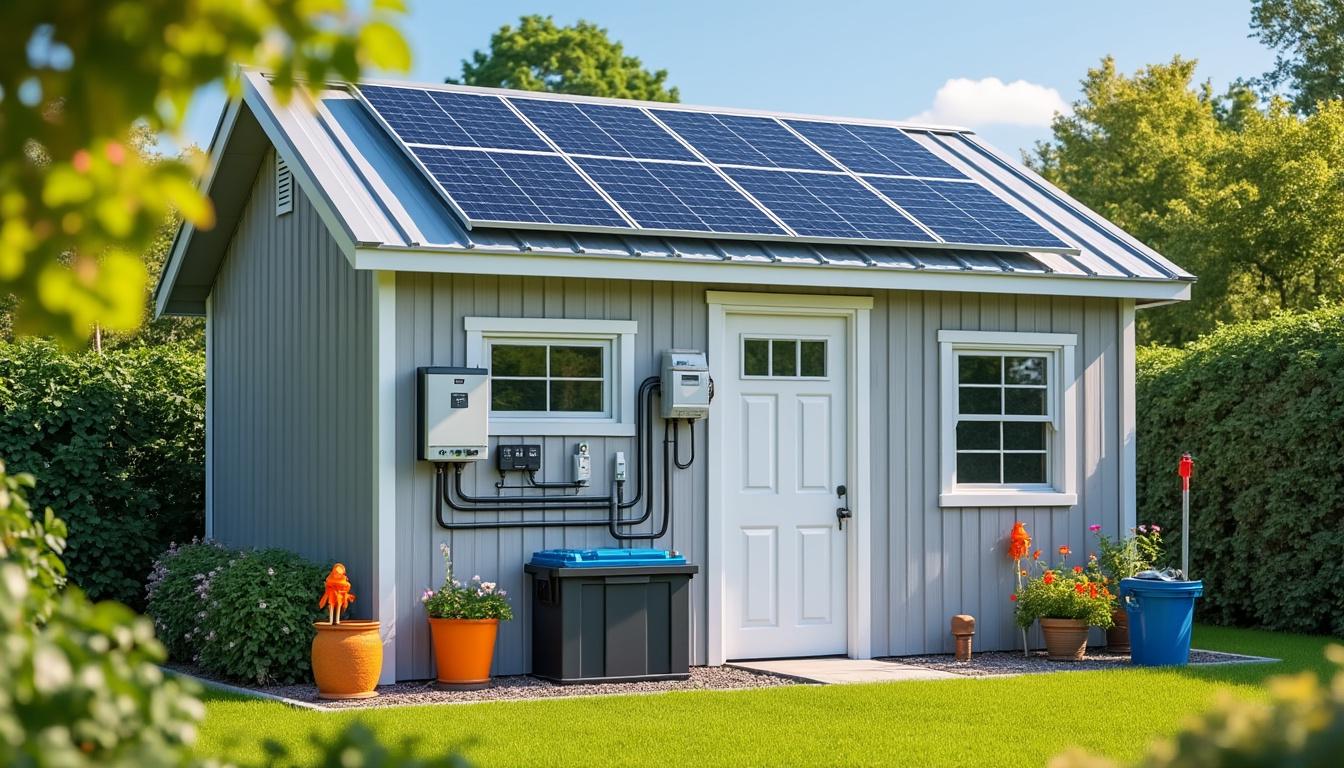
Solar power has transformed the way we power our homes and outbuildings, notably sheds. As more homeowners embrace sustainable energy solutions, the idea of a solar-powered shed has gained traction. This provides not only the convenience of electricity in remote locations but also fosters independence from traditional utility grids. With the rising costs of electricity and the increasing need for energy autonomy, many are looking at solar systems as a viable solution for powering their sheds. Whether it’s for lighting, powering tools, or just running a refrigerator, understanding how to size, wire, and maintain a solar power system for your shed is essential for efficient energy use and long-term sustainability.
When contemplating a solar power system for your shed, it is crucial to assess your energy needs accurately. Determining how much energy your shed will consume on a daily basis will guide your decisions in selecting the right components. Understanding the basics of solar panel sizing, how to wire your system effectively, and implementing safety measures will ensure you can harness solar energy effectively, whether your shed serves as a garden workspace, tool storage, or a small home office. In addition, exploring different setups will allow you to consider whether you’re looking for a DIY project or prefer hiring professionals for installation.
Understanding Your Energy Needs for a Shed Solar System
Before diving into solar panel selection or wiring, first assess the energy requirements of your shed. Creating an inventory of the electrical devices you intend to use is the first step toward understanding how much solar power you will need. Your list should include tools, lights, and any electronic devices, along with their wattage and the estimated hours they will be in use each day.
Calculating Daily Energy Usage
Begin by calculating the daily energy consumption of all devices:
- List out your devices: e.g. LED lights, power tools, laptops.
- Catalog the wattage: Determine the wattage of each device.
- Estimate usage: Estimate the number of hours each device will be used daily.
For example, let’s say you have the following devices:
| Device | Wattage (W) | Daily Usage (hours) | Daily Consumption (Wh) |
|---|---|---|---|
| LED Bulbs (4) | 23 | 5 | 115 |
| Drill | 750 | 1 | 750 |
| Computer | 60 | 3 | 180 |
| Total | 1045 Wh |
In the above calculation, your total daily consumption would be approximately 1045 Wh. This total gives you a benchmark for how much energy your solar power system needs to produce daily.
The Role of Peak Sun Hours
Another critical factor in sizing your solar power for a shed is the concept of peak sun hours. This term refers to the average number of hours per day in which solar panels generate their maximum output. Depending on your geographical location, this can vary significantly. For instance, regions like California experience higher peak sun hours compared to places like New York.
Assuming your location provides an average of 6 peak sun hours per day, you can then determine the wattage capacity needed from your solar panels. Utilizing the previously mentioned formula with a derating factor (which accounts for system losses) will yield:
| Calculation | Value |
|---|---|
| Total Daily Energy Consumption (Wh) | 1045 |
| Peak Sun Hours | 6 |
| Derating Factor | 0.6 |
| Required Capacity (kWp) | 1045 / (6 * 0.6) = 2.91 kWp |
This calculation indicates you would need a solar panel system capable of producing at least 2.91 kWp to meet your shed’s daily energy demands.
Choosing the Right Solar Equipment for Your Shed
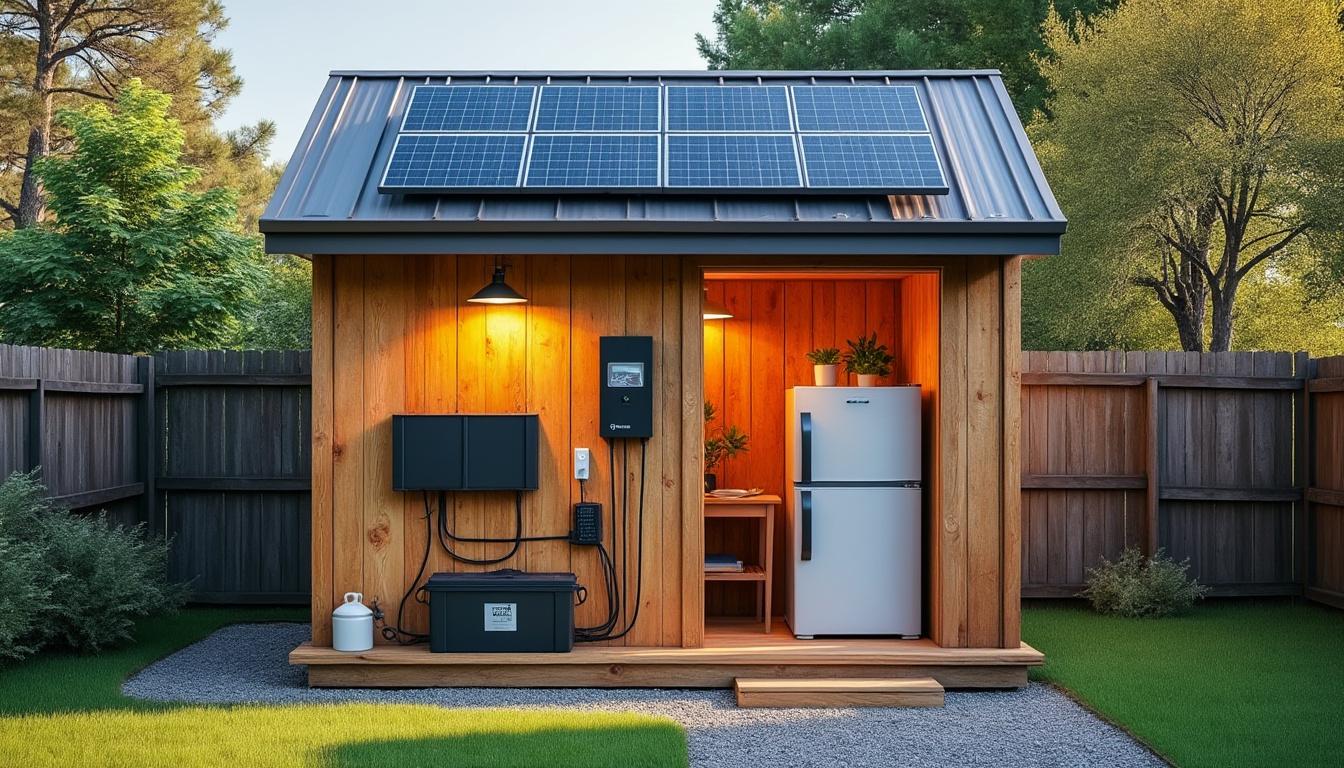
Once you have a clear understanding of your energy consumption and needs, the next step involves selecting the appropriate components for your solar system. Key elements include solar panels, a solar charge controller, a battery storage system, and an inverter. Each of these components plays a critical role in delivering reliable energy to your shed.
Solar Panels: Types and Selection
Solar panels are the heart of your system, converting sunlight into usable electricity. You will typically choose from three types of solar panels:
- Monocrystalline Panels: These have the highest efficiency rates and are deemed ideal for residential use but come at a higher price.
- Polycrystalline Panels: More affordable with decent efficiency but require more space due to larger size.
- Thin-Film Panels: Although lighter and more flexible, they tend to be less efficient and hence more suitable for specific applications.
When selecting your solar panels, consider factors such as price, efficiency, and space availability. Depending on the energy requirements you calculated earlier, you will need a sufficient number of panels to meet or slightly exceed your expected energy production.
Battery Storage Systems
Next, consider battery storage systems, as these allow energy to be stored for use during the night or cloudy days when solar output is limited. Two common types of batteries include:
- Lithium-Ion Batteries: Known for their longevity and high energy density, allowing for more energy storage within a smaller footprint.
- Lead-Acid Batteries: Typically cheaper but come with a shorter lifespan; they also require more maintenance.
Your battery capacity should be sized to store enough energy to power your devices during off-peak solar hours.
Inverters and Wiring
The inverter is essential for converting the DC power collected from the solar panels into AC power that your tools and appliances can use. A pure sine wave inverter is typically best, especially for sensitive electronics. When wiring your solar system, follow safe practices to prevent short circuits or overloads.
Using solar-rated wiring, ensure connections are strong and weatherproof. Conduct a full system check before turning on your power to avoid any malfunctions.
Calculateur de Taille de Panneaux Solaires et de Batteries
Safety Tips for Solar Power Installation
Implementing safety precautions during the installation of your solar power system is paramount. Adhering to standard electrical safety protocols can safeguard your investment and ensure a long-lasting setup.
Electrical Safety Protocols
Here are some practical safety tips to consider:
- Shut Off Electricity: Before beginning any wiring, ensure all power sources are turned off.
- Use Quality Equipment: Utilize high-quality solar components to avoid hazards and ensure longevity.
- Proper Ventilation: Ensure adequate ventilation in areas housing batteries, particularly lead-acid types that can emit gasses.
Additionally, seek guidance or assistance if you’re unsure about the installation processes. Many communities, especially those invested in renewable energy, have resources to assist with home solar installations and can connect you with professionals when needed.
Inspection and Maintenance
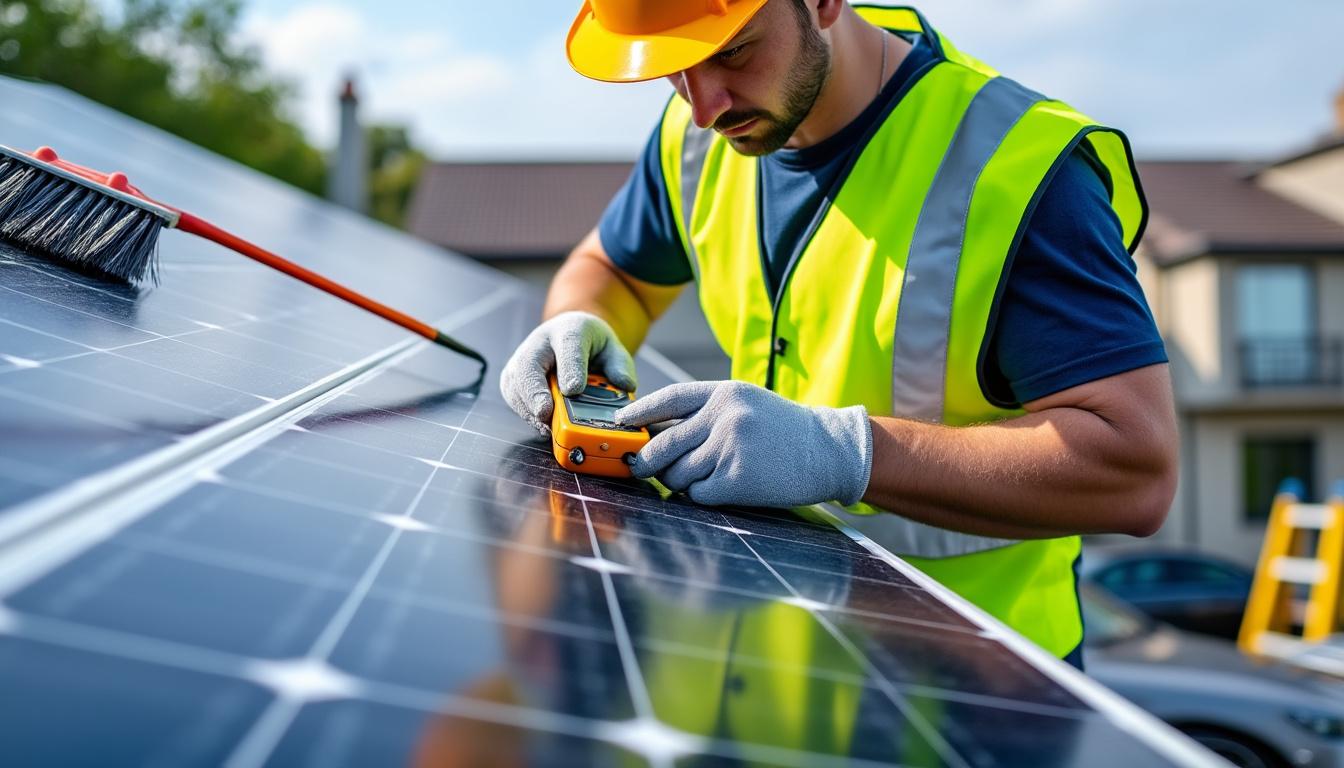
Regular inspections of your solar power system are necessary to uphold performance and safety. Cleaning solar panels every few months and checking the connections can significantly impact energy efficiency. Here are some maintenance tasks you should undertake regularly:
- Inspect Wiring: Keep an eye out for wear or fraying in all cable connections.
- Monitor Battery Health: Regularly check the electrolyte levels in lead-acid batteries and ensure terminals are clean.
- Panel Cleaning: Dust and debris can accumulate on solar panels and hinder their functionality.
Following these steps ensures your solar power system operates seamlessly, providing you with renewable energy for years to come.
Common Myths About Solar-Powered Sheds
The rapidly growing adoption of solar technology brings along a myriad of misconceptions that can deter individuals from pursuing an off-grid solar solution for their sheds. Understanding the realities can empower homeowners and encourage them to embrace this sustainable energy source.
Myth 1: Solar Energy is Too Expensive
While there are upfront costs associated with setting up a solar system, the long-term benefits—including reduced energy bills and potential grid independence—often outweigh these costs. Plus, various incentives and rebates can ease the financial burden.
Myth 2: Solar Only Works in Sunny Locations
While sunny regions may provide more energy, solar panels can still generate electricity on cloudy or rainy days. Technologies have significantly improved, enabling solar systems to operate efficiently even in lower sunlight conditions.
Myth 3: DIY Installations Are Not Safe
With the proper knowledge and safety precautions, many homeowners can successfully install solar systems themselves. Resources are available, from instructional videos to professional consultations, ensuring you have the guidance you need.
Frequently Asked Questions
Can I install solar panels on any shed?
Yes, as long as your shed’s roof receives adequate sunlight and can structurally support the weight of the panels. It’s vital to consult local codes and regulations before proceeding.
How long does installation usually take?
Most DIY solar setups can be installed within a weekend, depending on the complexity of the system you’re setting up.
Do I need a permit to install solar panels on my shed?
Typically, small off-grid solar installations do not require a permit, but checking with your local authorities is always recommended.
How can I expand my solar system later?
Solar setups are modular, so you can add panels, batteries, or even a different inverter in the future as your energy needs grow.
What maintenance do solar systems require?
Regular cleaning of panels and periodic inspection of wire connections and battery levels are essential to maintaining system efficiency.
