

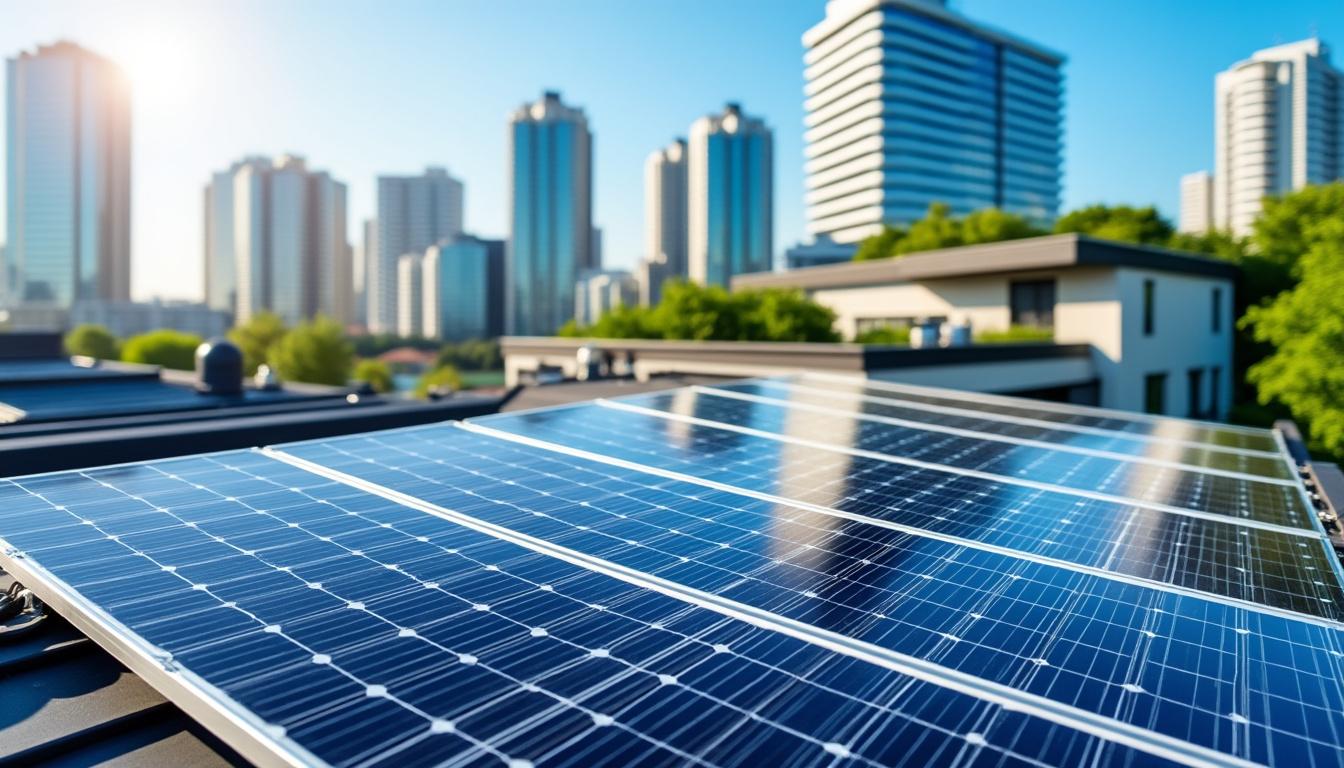
In an era where renewable energy is increasingly seen as a viable solution for combating climate change and achieving energy autonomy, the concept of third-party ownership (TPO) in solar installation is gaining remarkable attention. With many households looking to switch to solar energy but hesitating due to the upfront costs, TPO models offer an alternative solution that allows homeowners to benefit from solar energy without the financial burden that traditionally comes with it. This innovative approach is revolutionizing how people access solar technology, specifically rooftop photovoltaic (PV) systems. TPO encompasses arrangements like solar leases and power purchase agreements (PPAs), enabling individuals to enjoy solar benefits while leaving the system’s ownership and maintenance to a third-party solar provider. By examining TPO’s implications for homeowners, the solar market, and the future of renewable energy, it becomes evident that this financing model has the potential to significantly alter the landscape of solar energy adoption.
The Landscape of Third-Party Ownership in Solar Energy
The concept of third-party ownership in solar energy fundamentally changes how homeowners engage with solar technology. Traditionally, homeowners have faced significant upfront costs associated with the purchase and installation of solar panels. However, TPO allows homeowners to enter into financial arrangements where they do not have to buy the solar equipment outright. There are primarily two forms of TPO: solar leases and power purchase agreements (PPAs).
In a solar lease, homeowners pay a regular fee to use the solar system installed on their property, while the ownership remains with the solar provider. This arrangement allows for predictable billing, offering savings on energy costs compared to traditional utility prices. On the other hand, a PPA involves homeowners paying for the electricity generated by the solar panels based on a predetermined rate that is typically less than what their local utility would charge. Both models allow users to capitalize on solar energy savings without the heavy financial initial outlay, thereby making solar more accessible.
Looking at the data, recent figures from Ohm Analytics indicate that the balance between third-party ownership and customer-owned systems is shifting. Although historically, customer-owned systems have predominantly dominated the market, TPO is increasingly closing the gap. The distinction between these models is critical as it influences consumer choices regarding solar adoption. Understanding the contrast in market presence between TPO and direct ownership is essential, as it highlights how household dynamics and financial capabilities can influence the decision-making process.
| Ownership Type | Key Characteristics | Pros | Cons |
|---|---|---|---|
| Customer-Owned Systems | Homeowners purchase equipment outright | Full savings on energy bills, tax incentives | High upfront costs, maintenance responsibilities |
| Third-Party Ownership (TPO) | Solar lease or PPA, no upfront costs | Lower monthly payments, no maintenance | Less energy savings, may not increase home value |
In the evolving landscape of solar adoption, TPO stands out as a vital piece of the puzzle, particularly for those who may not have the financial resources for an outright purchase. As various financing structures emerge, the sheer variety of options provides homeowners with unique opportunities tailored to their preferences and resources. For example, providers such as Sunrun, Vivint Solar, and Palmetto have capitalized on the growing interest in TPO arrangements to help widen access to solar technology.
The Advantages and Disadvantages of TPO Solar Models
Exploring the advantages and disadvantages of TPO solar models is essential for homeowners contemplating whether these arrangements meet their energy goals. Understanding these pros and cons can help consumers deliberate effectively when considering their options for solar energy.
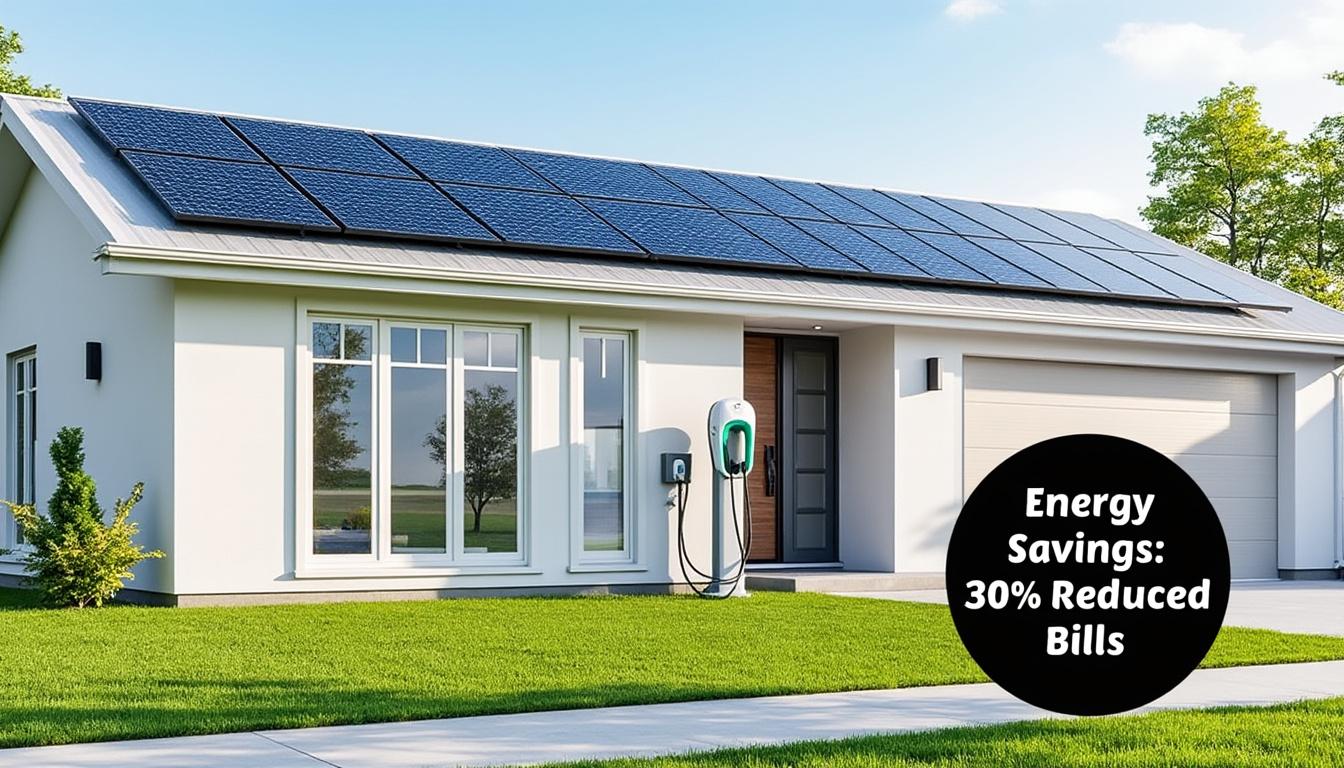
One of the significant advantages of TPO is the reduced financial barrier to entry. Solar leases and PPAs enable homeowners to start using renewable energy without worrying about the hefty initial costs associated with solar panel purchase and installation. Another significant benefit is the allowance of predictable energy costs. For many households, knowing that energy expenditures are stable and lower than conventional utility reliance builds confidence in their financial planning.
Additionally, TPO models imply that the homeowner is free from the responsibility of maintenance and repairs. Third-party providers are generally responsible for system upkeep, meaning homeowners can enjoy the benefits of solar energy without the headaches that come with equipment issues.
However, while TPO can significantly simplify the entry to solar energy, it is not without its drawbacks. One major disadvantage is that homeowners under these agreements do not receive the full financial benefits of solar energy that they would if they owned their systems outright. For instance, owners who procure their solar panels are entitled to tax incentives such as the Investment Tax Credit (ITC), which can offset the cost of installation. On the contrary, with TPO, the solar company receives those tax benefits instead.
Moreover, TPO agreements may complicate real estate transactions. If a homeowner moves, transferring a solar lease or PPA can deter potential buyers unfamiliar with such arrangements. This lack of ownership or perceived sustainability impact can diminish the home’s market value, unlike properties with customer-owned renewable systems that typically benefit from increased real estate value.
- Advantages of TPO Solar Models:
- Low or no upfront costs
- Predictable energy savings
- No maintenance responsibilities
- Low or no upfront costs
- Predictable energy savings
- No maintenance responsibilities
- Disadvantages of TPO Solar Models:
- Limited financial benefits
- Complexities in home-selling
- Potentially reduced home value
- Limited financial benefits
- Complexities in home-selling
- Potentially reduced home value
By meticulously examining TPO models, homeowners can make informed decisions that best align with their financial capabilities and long-term energy goals. Providers like Sunnova and Momentum Solar leverage their offerings to ensure that consumers are educated about the implications of various ownership models. As the market unfolds, consumer comprehension of these complexities will undoubtedly play a pivotal role in shaping the solar landscape.
The Future of TPO in the Solar Industry
The future of third-party ownership within the solar industry appears promising given its growing popularity and the shifting dynamics of the renewable energy landscape. As market conditions evolve, particularly with changes in incentives and consumer education, TPO may play a crucial role in increasing solar penetration across regions.
One factor that will contribute to TPO’s persistence is the ongoing developments in federal and local policies supporting clean energy initiatives. For example, the solar Investment Tax Credit (ITC) has been extended, enabling more homeowners to take advantage of solar financing options that fit their needs. The demand for accessible financing models will likely increase, especially as inflation and market volatility continue influencing consumer decisions.
Moreover, as the industry sees further innovation in solar technology and financing tools, it will provide even greater versatility for consumers. New players in the market, including emerging companies like Blue Raven Solar and Lumio, are likely to introduce unique TPO solutions that leverage technology to streamline the customer experience.
The integration of smart technology into solar installations will also enhance the appeal of third-party agreements. By including monitoring systems and predictive analytics, TPO providers can offer added value to homeowners, thereby reducing energy consumption and optimizing performance. As awareness of energy independence grows, the demand for smart technologies will likely spur interest in TPO partnerships further.
| Future Trends in TPO Models | Potential Impacts |
|---|---|
| Increased Consumer Awareness | Greater adoption of solar solutions |
| Smart Technology Integration | Enhanced efficiency and functionality |
| Policy Support and Incentives | Lower barriers to entry for solar adoption |
Investing in TPO solar models can contribute to a more sustainable future while minimizing financial risks for homeowners. As the solar industry embraces change, it becomes essential for providers and consumers alike to recognize the tailored financing options available. It is through these varied ownership paths that the market can achieve broader adoption and meet the energy demands of future generations.
The Role of Educational Resources in TPO Solar Adoption
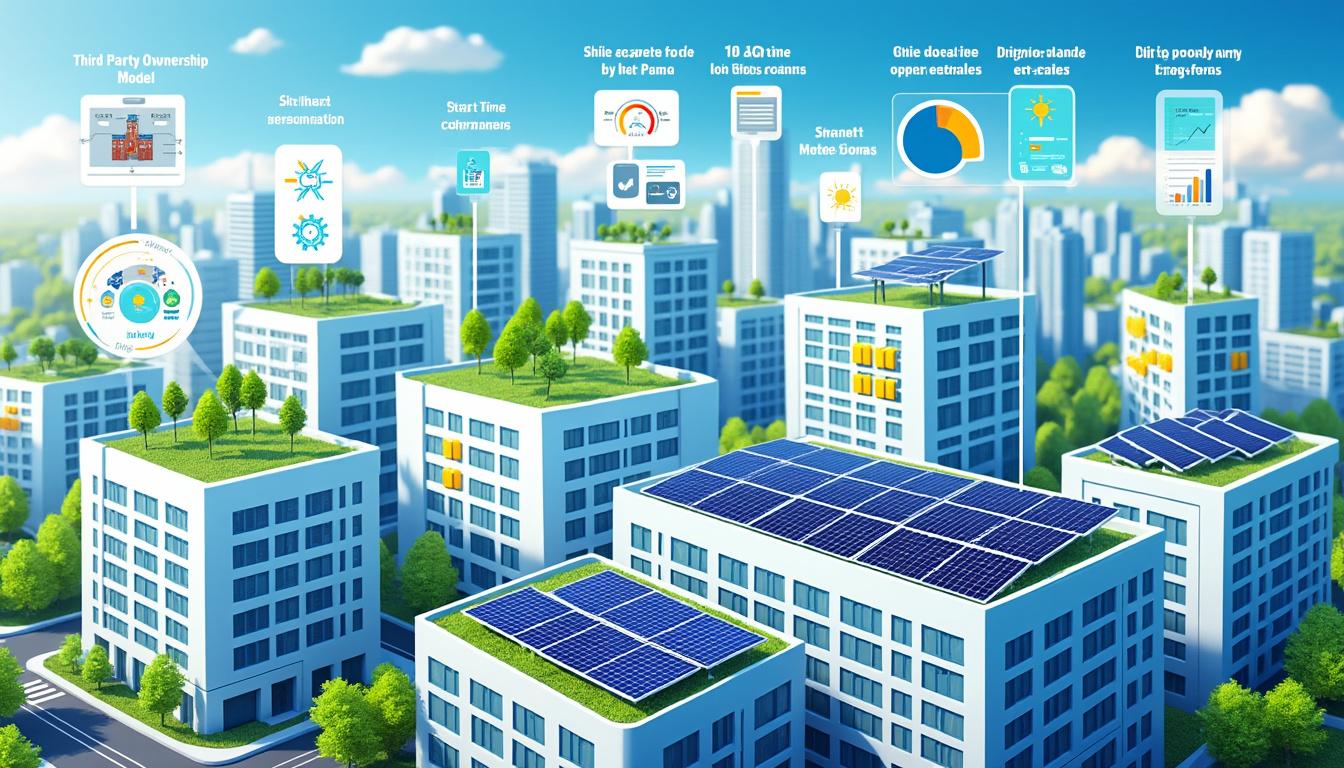
Education plays a pivotal role in the successful proliferation of third-party ownership models within the solar market. For consumers, understanding the intricacies of TPO systems can be complicated; thus, comprehensive educational resources are paramount.
Numerous organizations and solar providers are actively working to demystify TPO models. For instance, the National Renewable Energy Laboratory offers guidance specifically on Power Purchase Agreements (PPAs), outlining how they function and their benefits. Resources such as these empower homeowners to be informed participants in the solar economy.
Additionally, companies like Solar Insure provide resources to foster deeper comprehension regarding financing structures in clean energy. The objective is clear: create transparency around third-party ownership to ensure that potential solar users can weigh their options thoughtfully.
The collaboration between solar companies and educational entities is crucial in shaping the market’s future. By promoting understanding and highlighting realistic expectations regarding ownership models, potential users can make better decisions aligned with their long-term energy goals. Resources can include workshops, informational webinars, and user-friendly online tools enabling consumers to assess their options based on their unique financial situations.
- Key Educational Resources for TPO Adoption:
- Local workshops and seminars
- Online webinars offered by solar companies
- Informative toolkits from industry associations
- Local workshops and seminars
- Online webinars offered by solar companies
- Informative toolkits from industry associations
Through dedicated educational initiatives, solar stakeholders can empower consumers and refine their understanding of TPO options. These comprehensive efforts will, in turn, promote sustainable energy adoption while minimizing barriers that could prevent interested individuals from participating in solar projects.
Infographic: TPO Solar Ownership Models
Explore the benefits and statistics related to TPO solar ownership.
The Impact of Market Trends on TPO Solar Financing
The current market trends significantly influence the adoption of third-party ownership models in solar energy. A multitude of factors—from interest rates to consumer sentiment—shapes the viability and attractiveness of TPO agreements in today’s economic climate.
For one, the experience of rising interest rates in recent years has shifted consumer preferences towards third-party ownership. As borrowing costs increase, homeowners may view TPO models as a more accessible entry point for adopting solar energy. Interest rates also impact the financing terms available to homeowners, dictating whether they will pursue customer-owned systems or TPO agreements.
Furthermore, the increasing apprehension over rising energy costs has generated a sense of urgency among consumers seeking ways to mitigate expenses. This evolving sentiment supports the idea that investing in renewable energy has become not just a forward-thinking choice but a necessary action. Consumers believe in the long-term savings TPO models can offer, translating to a growing interest in third-party arrangements.
The interplay between market trends and TPO viability emphasizes how fluctuating conditions can stimulate adaptation within the solar landscape. Companies such as Tesla Energy and SunPower are likely to respond effectively as consumer demand evolves, ensuring that innovative financing solutions continue to emerge.
| Market Factors Affecting TPO | Effect on Adoption |
|---|---|
| Interest Rate Increases | Increased attraction towards TPO as an affordable option |
| Consumer Sentiment | Higher demand for renewable energy solutions |
| Inflation Impacts | Greater focus on minimizing costs for energy |
As the solar market continues to shift, it’s essential that both homeowners and providers remain vigilant about external factors driving TPO adoption. By being aware of trends and the economic climate, they can better capitalize on available opportunities and adjust their strategies to align with emerging realities.
What is third-party ownership in solar energy?
Third-party ownership refers to financing arrangements where a solar company installs and maintains a solar system, while the homeowner pays for its use through a lease or power purchase agreement.
What are the benefits of third-party ownership solar models?
The benefits include low or no upfront costs, predictable monthly payments, and no maintenance responsibilities for the homeowner.
How do solar leases and power purchase agreements differ?
Solar leases involve paying a fixed fee for the use of the system, while a power purchase agreement involves paying for the electricity generated at a predetermined rate, typically lower than utility rates.
Why are TPO models becoming more popular?
TPO models are gaining traction due to rising interest rates making outright solar ownership less accessible, as well as increasing awareness and urgency around energy savings and renewable energy solutions.
What role does education play in the adoption of TPO?
Education helps consumers understand ownership models and make informed decisions. Resources such as workshops, informational webinars, and user-friendly tools can promote comprehension and engagement in solar adoption.

