The discussion around solar panels and their potential radiation emissions has been a significant topic for many homeowners and environmental enthusiasts alike. As the popularity of renewable energy sources continues to surge, understanding the safety implications of solar technology has become paramount. Solar panels are designed to harness energy from the sun, a process that many assume could entail various risks, especially regarding electromagnetic fields (EMF) and radiation. In recent years, the environmental and economic benefits of solar energy have been extensively documented, with installations on rooftops and solar farms becoming commonplace. However, while the move toward cleaner energy sources is widely embraced, concerns about radiation exposure from these systems remain prevalent. Factors such as the manufacturing process of solar panels, the function of inverters, and the additional electronics—like smart meters—contribute to the confusion surrounding this issue, necessitating a clearer understanding of these technologies. The following sections will delve into the intricacies of solar panels, EMF radiation, and safety, helping to demystify this important aspect of solar energy usage.
Understanding Solar Panel Operation and Radiation Emission
To unravel the concerns surrounding electromagnetic radiation from solar panels, one must first grasp how these systems operate. Solar panels, or photovoltaic (PV) systems, consist primarily of three components: the solar panels themselves, electrical wiring, and inverters. Each of these parts plays a vital role in generating electricity from sunlight.
The solar panels contain photovoltaic cells made typically from silicon, a material responsible for converting sunlight into electricity when photons hit the surface. While the process of solar energy conversion does result in some form of radiation, it is critical to recognize the nature of this emission. Specifically, solar panels do not generate ionizing radiation—a type proven harmful to living tissues. Instead, they largely emit low-frequency electromagnetic fields (EMF) as a byproduct of their operation. The amount of EMF radiation produced is comparable to that emitted by common household devices, such as electric kettles or blow dryers.
- Solar Panels: These devices mainly emit low-level electromagnetic fields.
- Electrical Wiring: The wiring in your home can carry currents that also produce EMF radiation.
- Inverters: The most significant source of EMF radiation in a solar power system arises from the inverters, which convert DC into AC power.
These inverters can be either string inverters or microinverters. String inverters consolidate the conversion process in one location, typically near the home’s electrical panel, while microinverters distribute conversion tasks across individual panels. The variation in inverter placement affects how much EMF radiation is present in living spaces. Projections estimate that EMF levels from well-installed solar systems range between 0.5-2 milligauss, significantly lower than common household electronics.
| Type of Equipment | Typical EMF Levels |
|---|---|
| Solar Panels | Low (minimal) |
| Inverters | Moderate (variable) |
| Smart Meters | Higher (depending on data transmission) |
| Household Appliances | Varies (e.g., hair dryer: 60-20,000 milligauss) |
The main takeaway here is that while solar panels do emit some form of radiation, it is generally non-ionizing and far from harmful at operational levels. However, the concerns regarding solar radiation often stem from smart meters and the dirty electricity produced by the inverter, which merits further investigation.
Decoding EMF Radiation: Smart Meters and Dirty Electricity
Beyond the solar panels themselves, it’s essential to understand how smart meters and dirty electricity contribute to EMF exposure in homes utilizing solar energy systems. A smart meter records energy consumption and transmits this data wirelessly, which can lead to increased EMF emissions. Like other wireless devices, the transmission of data contributes to radio-frequency (RF) radiation, creating potential exposure concerns for nearby individuals.
The operational details of smart meters are crucial because many homeowners may not fully understand their functions. When a smart meter communicates with the utility company, it sends out bursts of data—resulting in RF radiation emissions, which can be a source of concern. Consider the following factors associated with smart meters:
- RF EMF Emissions: Smart meters emit RF radiation during data transmissions, which some studies suggest may have biological effects over prolonged exposure.
- Proximity Impact: The location of the smart meter can significantly affect the level of exposure; for example, meters placed on exterior walls close to bedrooms might pose a greater risk.
- Mandatory Installations: In several jurisdictions, homeowners may be required to use smart meters as part of their solar setup, leading to unavoidable EMF exposure.
Another significant concern regarding solar power systems is the phenomenon of dirty electricity. This refers to the unwanted voltage transients that can enter electrical systems from a variety of sources, including solar inverters. When solar-generated electricity is converted for home use, it often creates high-frequency noise that can travel through wiring, producing EMF radiation that can be measured several feet away from wiring and outlets.
| Source of EMF Radiation | Description |
|---|---|
| Smart Meters | Transmit data wirelessly, generating RF radiation. |
| Inverters | Convert energy types, can introduce dirty electricity into systems. |
| Electrical Wiring | Transmits electricity, may carry dirty electricity radiation. |
While both smart meters and dirty electricity contribute to overall EMF radiation in residential settings powered by solar systems, the levels remain well within the safety thresholds established by health organizations. Understanding these sources allows homeowners to take informed steps toward minimizing potential EMF exposure.
Health Considerations and EMF Radiation from Solar Systems
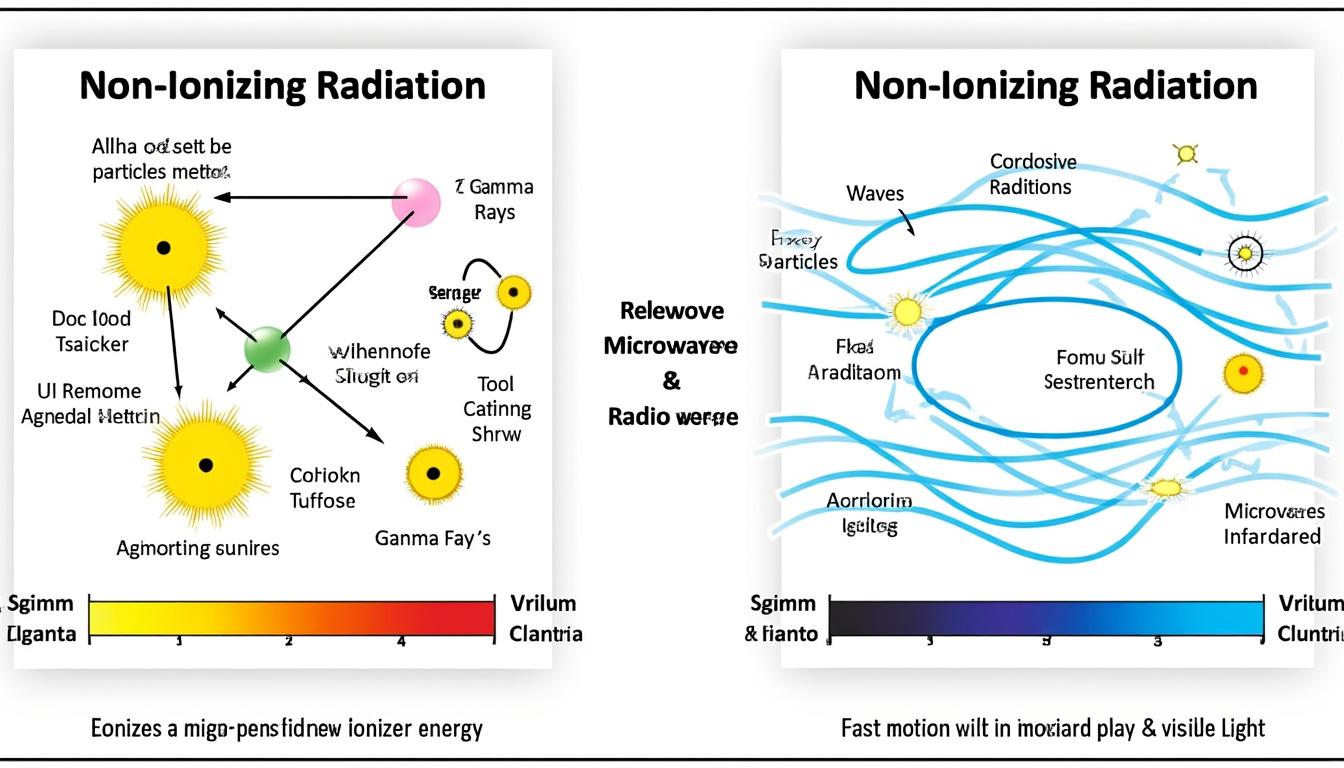
The conversation surrounding EMF radiation often raises health-related questions, particularly regarding potential links between prolonged exposure and adverse effects. Notably, the nature of EMF radiation created by solar panels and their systems—mainly non-ionizing—differentiates it from concerns surrounding ionizing radiation, such as that produced by X-rays or certain medical imaging technologies.
Multiple scientific studies and extensive reviews have sought to clarify the health implications of low-level EMF exposure. Research conducted by organizations like the World Health Organization (WHO) has consistently shown that non-ionizing radiation lacks the sufficient energy required to cause cellular damage or alter DNA. This fundamental characteristic plays a crucial role in reassuring consumers about the safety of solar energy systems.
- Non-Ionizing Radiation: EMF from solar systems is non-ionizing and does not cause DNA damage.
- Scientific Consensus: Comprehensive reviews suggest no direct association between low-level EMF exposure and diseases.
- Statistical Evidence: Long-term studies on populations near high-voltage power lines, which emit stronger EMF fields than residential solar systems, also revealed no significant increases in health problems.
However, some individuals report sensations related to electromagnetic hypersensitivity (EHS), claiming various health issues that may arise in the presence of electrical devices. While this condition remains controversial, understanding one’s own sensitivities alongside the available research can help inform decisions regarding the implementation and use of solar energy systems.
| Health Concern | Current Research Findings |
|---|---|
| EMF Exposure and Cancer | No significant evidence linking solar panel EMF to cancer risks. |
| Electromagnetic Hypersensitivity | Controversial; lacks strong empirical support. |
| Safety Guidelines | EMF levels from solar systems usually remain significantly below established safety limits. |
Considering these studies and ongoing dialogues, consumers can feel more at ease when choosing solar energy as a clean alternative power source. Implementing safety practices and strategies can also create a lightweight protective framework around their systems.
Mitigating EMF Exposure from Solar Energy Systems
Employing solar energy systems offers substantial benefits, but those concerned about EMF radiation can take specific measures to mitigate exposure. Awareness and proactive management are keys to ensuring a safe household environment. Below are some strategies homeowners can apply:
- Professional Installation: Engaging certified professionals can prevent improper installation, minimizing potential EMF exposure from inverters and wiring.
- Inverter Placement: Positioning inverters away from living spaces, especially bedrooms or children’s rooms, will further reduce exposure.
- Smart Meter Alternatives: In some regions, opting out of smart meters is permissible and may alleviate EMF concerns.
Additional strategies can also enhance protection:
- EMF Shielding Products: Utilize specially designed materials like Faraday shielding to prevent radiation from entering living areas.
- Dirty Electricity Filters: Installing filters can help eliminate high-frequency noise from the electrical wires within homes, decreasing overall EMF levels.
- Regular Monitoring: Invest in EMF meters to regularly assess or track EMF radiation levels in your home.
| Mitigation Strategy | Description |
|---|---|
| Professional Installation | Ensures proper equipment setup, reducing unintentional radiation. |
| EMF Shielding Materials | Blocks condition-specific frequency emissions. |
| Dirty Electricity Filters | Eliminates unwanted electrical noise from wiring. |
By implementing these strategies, homeowners can effectively manage their electromagnetic exposure, allowing them to comfortably harness the benefits of solar energy without undue concerns over radiation.
Addressing Common Questions about Solar Panels and Radiation
As interest in renewable energy continues to grow, so do the questions regarding solar panels, particularly in relation to radiation. Here are some commonly asked questions that encapsulate the most pertinent concerns:
Do solar panels emit harmful radiation?
Solar panels emit minimal non-ionizing radiation that is considered safe for human exposure.
Can solar panels give you cancer?
There is currently no evidence linking solar panels or the radiation they emit to cancer risk.
How do smart meters affect radiation exposure?
Smart meters can emit RF radiation, but mitigative actions can reduce exposure.
What is dirty electricity?
Dirty electricity refers to high-frequency voltage transients that can accumulate in electrical wiring, producing EMF radiation.
How can I protect myself from EMF radiation from solar installations?
Using shielding materials, ensuring professional installation, and using dirty electricity filters are effective mitigation strategies.
Do Solar Panels Emit Radiation? EMF Basics and Safety
Explore the impacts of EMF Radiation and safe practices with solar installations.