As renewable energy continues to gain traction worldwide, solar energy projects are rising significantly, providing clean energy solutions for homes and businesses alike. The increasing interest in solar fields is evident, particularly as communities strive for sustainability and autonomy. In recent years, various methods have emerged to help residents find solar projects in their local areas, empowering them to engage with solar energy solutions that fit their needs.
With tools such as solar project maps, local installation directories, and community solar programs, finding solar fields near one’s location has become more straightforward. In 2025, as the demand for renewable energy surges, understanding how to navigate these resources to find solar installations becomes crucial for consumers looking to switch to cleaner energy sources. This article will explore various ways to discover solar projects nearby, highlight their benefits, and illustrate the vital role they play in the larger context of the renewable energy landscape.
Understanding Solar Fields and Their Importance
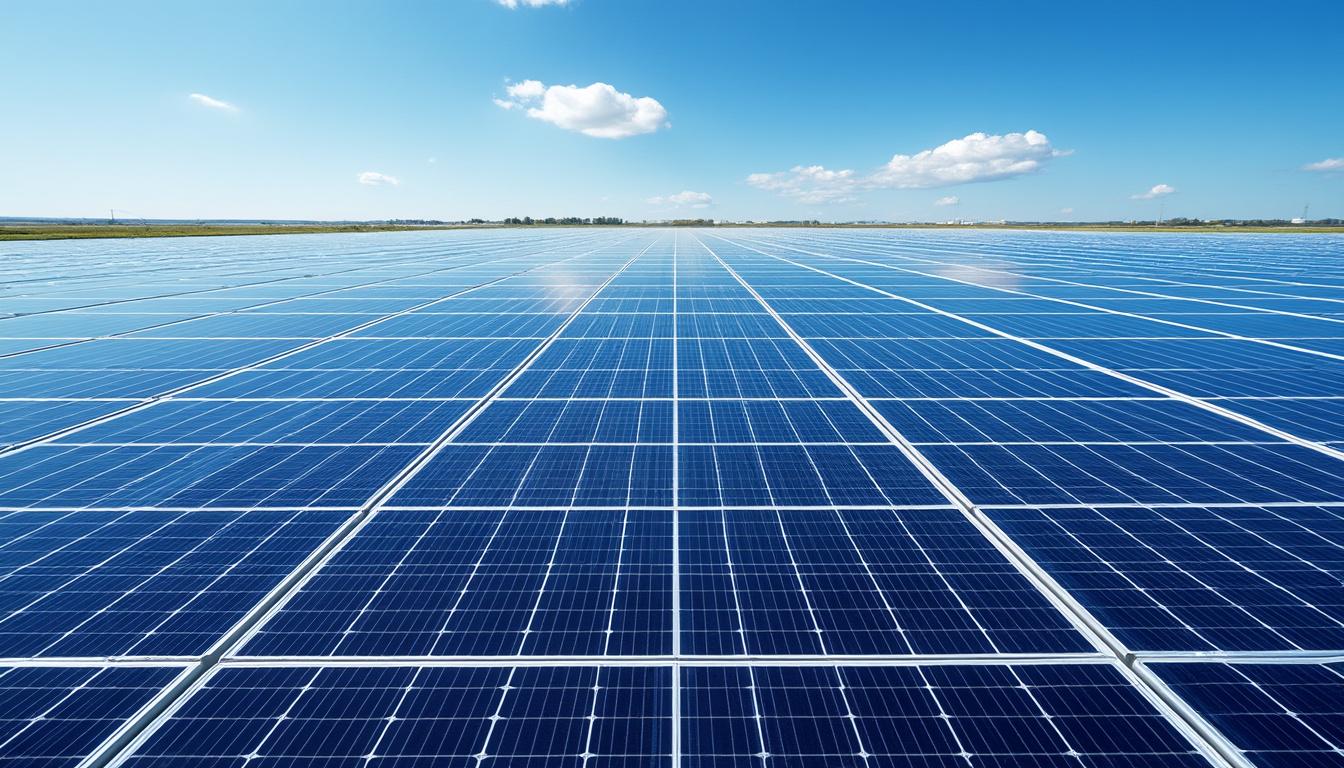
Solar fields consist of numerous solar panels grouped together to harness sunlight and convert it into electricity. They play a significant role in the broader renewable energy strategy, as they contribute to reducing dependence on fossil fuels while promoting sustainable practices. The shift towards solar fields aligns with global efforts to combat climate change and adapt to its impacts.
One of the primary reasons solar energy is gaining popularity is its versatility. Solar fields can be developed on various scales, from small installations on residential rooftops to expansive solar farms that power thousands of households. This adaptability means communities can engage with solar energy on their terms. There are several benefits associated with solar fields:
- Carbon Emission Reduction: Solar fields effectively reduce greenhouse gas emissions, contributing to cleaner air and supporting global climate goals.
- Energy Independence: By investing in solar energy, communities can reduce their reliance on imported fossil fuels and stabilize their energy expenses.
- Job Creation: The expansion of solar fields generates employment opportunities in various sectors, from manufacturing to installation and maintenance.
- Enhancing Local Economies: Solar projects can stimulate the local economy by attracting investments and fostering innovation in renewable technologies.
These advantages demonstrate why solar fields are essential assets in fighting climate change and promoting sustainability. The transition to solar energy presents opportunities for individuals and communities to become more engaged in energy production and consumption.
How to Find Solar Projects Near You
For those interested in exploring local solar projects, several resources can streamline the search process. Identifying solar field locations involves utilizing solar project maps, online directories, and community resources designed to promote solar energy availability. Here are some effective methods to find solar projects nearby:
- Online Solar Project Maps: Websites such as Solar Energy Maps provide interactive tools that allow users to find solar farms, community solar projects, and solar installations based on their geographic location. Using filters, users can view solar fields that suit their requirements.
- Community Solar Directories: Local directories, like those provided by Solar United Neighbors, can help individuals identify community solar options in their areas. These platforms often include pertinent information about income requirements and benefits.
- Engaging with Local Utility Providers: Utility companies often have information on local solar projects and incentives. Reaching out directly can help residents understand available options and how to participate.
- Researching Government Programs: Federal and state programs encourage solar energy adoption. Websites such as UAE Government on Solar Energy offer insights into programs tailored to their region.
These resources empower individuals to take the necessary steps in their solar journey, helping them access greener energy options and encouraging sustainable practices in their communities.
Examples of Major Solar Projects Globally
A testament to the growing movement towards solar energy is the emergence of sizable solar projects around the world. Some of the most noteworthy solar installations have made significant impacts in their regions, driving clean energy initiatives and serving as models for future developments.
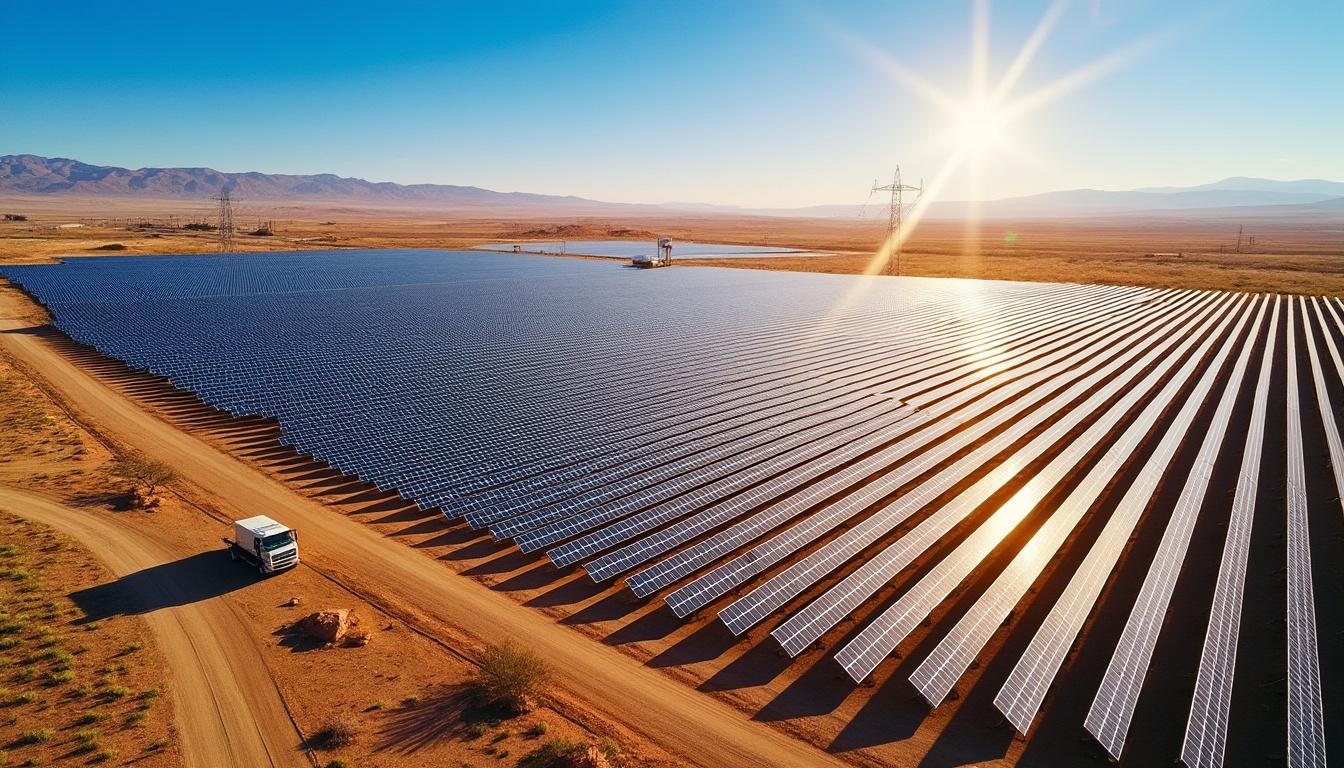
One such project is the Al Dhafra Solar PV Plant in Abu Dhabi, which is recognized as one of the largest solar power plants globally. With a capacity of 2GW, this facility, inaugurated in late 2023, spans over 20 square kilometers and incorporates nearly four million solar panels using advanced bifacial technology. Not only does this project generate electricity for around 200,000 households, but it also reduces carbon emissions by displacing approximately 2.4 million tonnes of CO2 annually. The competitive tariff of USD 1.32 per kWh it offers is a benchmark for sustainable energy pricing.
Another remarkable installation is the Shams Solar Power Plant, which generates around 100 MW through its unique parabolic trough collectors. Located approximately 120 km southwest of Abu Dhabi, Shams provides electricity to over 20,000 households while displacing about 175,000 tonnes of CO2 yearly. Projects like Shams illustrate how concentrated solar power can diversify energy mixes and support regional energy stability.
| Solar Project | Capacity (MW) | Annual CO2 Reduction (Tonnes) | Households Powered |
|---|---|---|---|
| Al Dhafra Solar PV Plant | 2000 | 2.4 million | 200,000 |
| Shams Solar Power Plant | 100 | 175,000 | 20,000+ |
These examples highlight the immense potential of solar energy to transform the global energy landscape, offering innovative solutions while significantly mitigating climate change challenges.
The Role of Community Solar Projects in Expanding Access
Community solar projects are essential in broadening access to solar energy, particularly for those unable to install solar panels on their properties. These initiatives allow residents to invest in shared solar installations while benefiting from reduced energy costs without the need for physical rooftop installations. An influx of community solar projects has emerged in various regions, making it easier than ever for individuals to participate in the solar movement.
Community solar projects often come with numerous advantages:
- Accessibility for Renters: One of the most critical aspects of community solar is that it enables renters and those with inadequate roofs to benefit from solar energy.
- Lower Costs: Participants in community solar programs frequently benefit from reduced electricity rates, enabling them to support renewable energy without incurring substantial upfront costs.
- Fostering Community Engagement: Community solar initiatives unite residents around a common goal, promoting collaboration and strong community ties.
Ultimately, these projects expand solar accessibility while promoting long-term benefits for communities and the environment.
Innovative Technologies in Solar Fields
The efficiency and effectiveness of solar fields largely depend on advancements in solar technology. Innovations are consistently occurring within the solar energy sector, leading to increased operational efficiency, reduced costs, and enhanced performance. Key technological breakthroughs in solar energy include:
- Bifacial Solar Panels: These panels utilize both sides to capture sunlight, thus maximizing energy generation.
- Energy Storage Systems: These technologies allow solar energy to be stored for later use, smoothing out energy supply and demand.
- Robotics in Maintenance: Automated cleaning and maintenance systems can reduce costs and improve efficiencies in large-scale solar fields.
Investing in these innovative technologies can support more sustainable, cost-effective solar energy production while enhancing the viability of large-scale solar installations.
| Technology | Impact on Solar Production |
|---|---|
| Bifacial Solar Panels | Maximizes energy generation through light capture from both sides. |
| Energy Storage Systems | Provides reliable energy supply during low sunlight hours. |
| Robotics in Maintenance | Reduces operational costs while increasing efficiency. |
By embracing and investing in these technologies, solar fields can function more effectively and sustainably, propelling the global energy transition towards greener alternatives.
Estimate Your Solar Energy Savings
Fill in the details below to see how much you could save with solar energy!
Estimated Monthly Savings:
Frequently Asked Questions About Local Solar Projects
How can I determine if community solar is available in my area?
To determine availability, check local utility resources or consult community solar directories such as Solar United Neighbors.
What are the typical costs associated with installing a solar system?
Costs can vary based on the size and type of installation, but average residential costs hover around $15,000, with incentives available.
Can I save money by participating in community solar projects?
Yes, participants often benefit from reduced energy bills as community solar projects typically provide energy at lower rates.
What types of solar technologies are available?
Technologies include traditional photovoltaic panels, bifacial panels, and concentrated solar power (CSP) systems.
How do I know which solar contractor to choose?
Research local contractors’ reviews, compare quotes, and ensure they have appropriate licensing and certifications.