

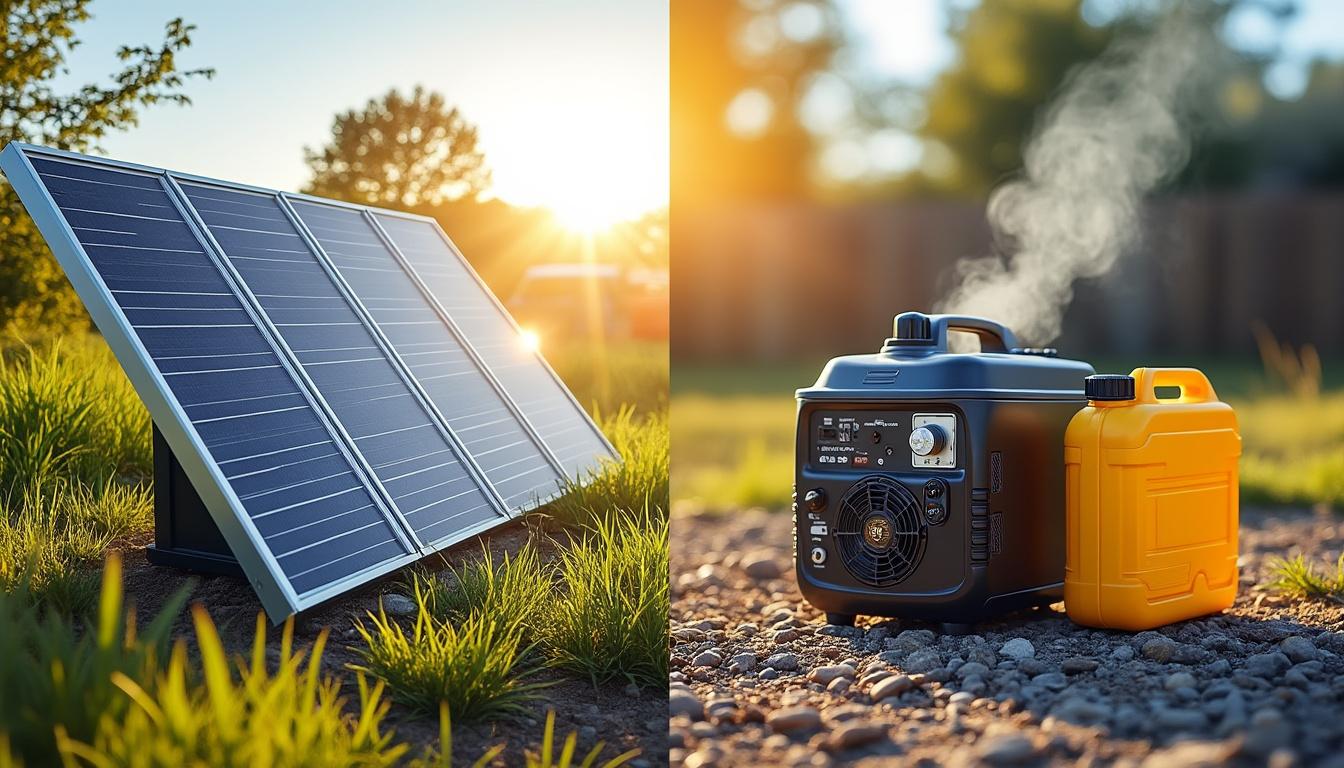
Power outages can be more than just an inconvenience; they threaten the safety and comfort of families, especially during severe weather events. As we face an increase in unpredictable weather patterns, more homeowners are considering what type of generator to invest in: a solar generator or a gas generator. Each option has its proponents and distinctly different characteristics such as cost, noise levels, and runtime, making this choice crucial for any emergency preparedness plan.
Understanding these generators involves not only their immediate power output but also their long-term viability, environmental impact, and suitability to specific lifestyle needs. In this comprehensive analysis, we will peel back the layers to discover the true differences between solar generators and gas generators, empowering you to make an informed decision tailored to your unique circumstances.
Understanding Solar Generators
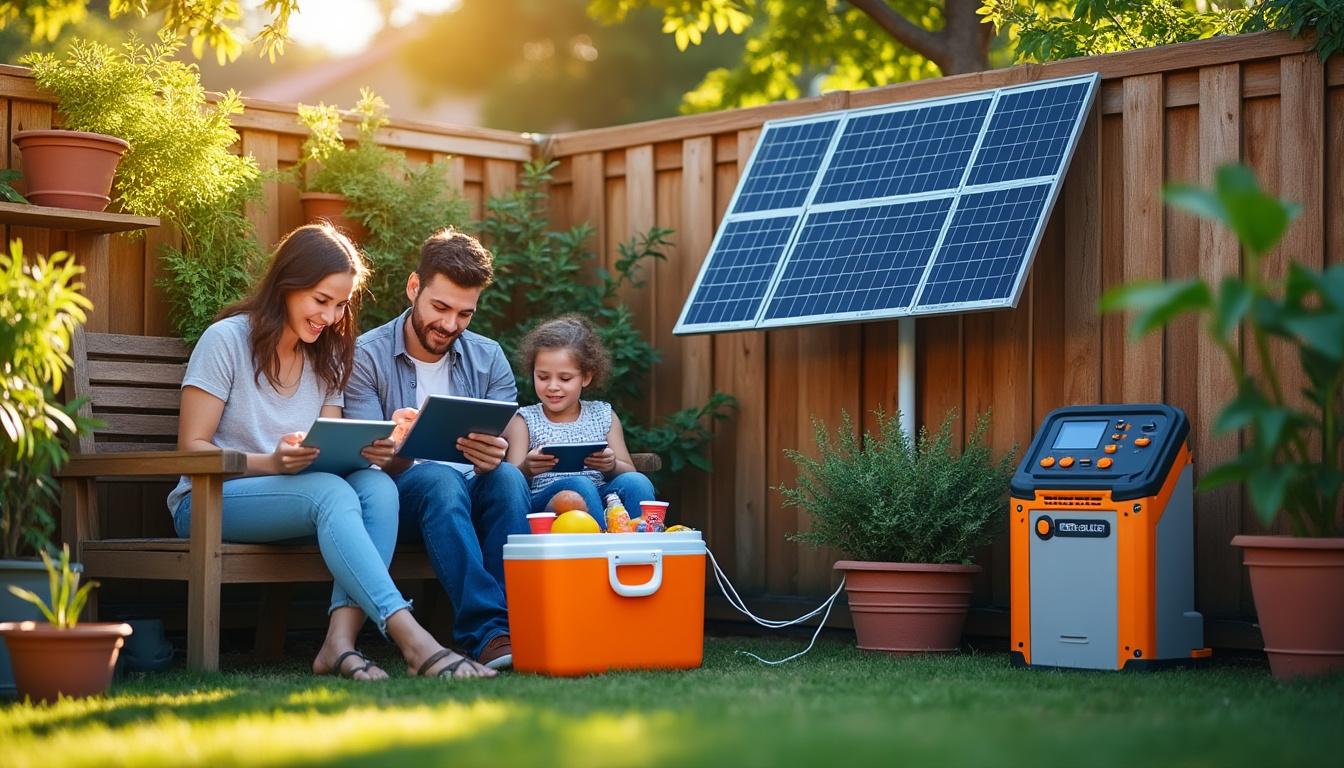
A solar generator is a compact system that harnesses sunlight to produce electricity through photovoltaic panels, storing energy in batteries for use on demand. The core components consist of solar panels, a battery, and an inverter, which together create a reliable and renewable energy source. This functionality makes solar generators particularly appealing for users seeking an eco-friendly alternative that operates without the need for fossil fuels. The buying trend reflects this; many families are opting for sustainable energy solutions, valuing both cost savings in the long run and the reduced environmental impact.
- Clean Energy Source: Harnesses renewable solar power.
- Versatile Use: Can power small appliances, chargers, and often even medical devices.
- Low Operating Costs: Once purchased, ongoing costs are minimal, barring potential battery replacements.
Despite its many benefits, a solar generator has some limitations primarily surrounding power output and the dependency on sunlight for energy production. As a general rule, most solar generators offer a power capacity suitable for running essential devices such as lights, refrigerators, or communication devices but may struggle with heavy-duty equipment like air conditioners. It is crucial to check wattage requirements to avoid overloading.
Cost Comparison of Solar Generators
The initial investment in a solar generator tends to be higher compared to gas generators. Basic models typically start around $500, while more robust options can reach upwards of $2,000. While the upfront cost may deter some buyers, consider that solar generators tend to have minimal ongoing costs, as they do not require fuel purchases.
| Type of Generator | Initial Cost | Ongoing Costs |
|---|---|---|
| Solar Generator | $500 – $2,000+ | Low (battery maintenance) |
| Gas Generator | $300 – $1,500+ | Medium (fuel, oil changes) |
The Role of Gas Generators
Gas generators have long been the staple choice for backup power. Equipped with internal combustion engines, they provide an immediate and powerful response to energy needs during an outage. They can operate on gasoline, propane, or, in some cases, diesel, giving them versatility in fuel choice. Most commonly, they produce much higher power outputs than their solar counterparts, making them a preferred choice for homeowners who require heavy-duty electricity, such as for full-house power or running multiple large appliances simultaneously.
Noise Levels
One of the significant drawbacks of gas generators is the noise levels they produce. Unlike solar generators, which operate almost silently except for the occasional fan hum, gas generators emit significant engine noise, which can be disruptive, especially during nighttime outages. If you live in a dense neighborhood or have noise-sensitive neighbors, this may be a critical point to consider.
- High Power Output: Perfect for running large appliances and full systems.
- Readily Available: Easy access at hardware stores and online.
- Extended Runtime: Can run for hours with proper refueling.
Maintenance and Safety Considerations
Owning a gas generator does come with responsibilities and safety considerations. Regular maintenance is required, including oil changes and fuel stabilization, to keep it operational. Additionally, gas generators can pose safety risks due to carbon monoxide production, making proper ventilation crucial. This can be a major concern for families as it may limit usage options.
| Feature | Gas Generator | Solar Generator |
|---|---|---|
| Power Output | High (2000W+) | Moderate (up to 2000W) |
| Runtime | As long as fuel lasts | Limited to battery + solar recharge |
| Noise Level | Loud (engine sounds) | Silent (fan only) |
| Maintenance | High (oil and fuel checks) | Low (battery care) |
Comparative Analysis of Runtime and Efficiency
When facing power failure situations in 2025, understanding the runtime of your chosen generator is essential in your decision-making process. Gas generators generally offer extended runtimes as their operational efficiency is largely dependent on available fuel supplies. With proper storage and safe use, families can easily refuel to operate for longer stretches. However, this reliance on fuel leads to continuous costs that can add up over time.
On the other hand, solar generators are limited by their battery storage capacity and the availability of sunlight. They can recharge during the daytime, but if ambient conditions are not favorable, the electricity generation could diminish significantly. A solar generator’s runtime is also contingent on the amount of energy stored prior to outages.
- Gas Generators: Long runtime with frequent refueling.
- Solar Generators: Limited by solar charge and battery capacity.
| Generator Type | Typical Runtime | Fuel Efficiency |
|---|---|---|
| Gas Generator | Up to 12 hours on average | Variable |
| Solar Generator | Depends on solar and battery | 100% during active charging |
FAQs
Can a solar generator run a refrigerator?
Yes, many solar generators can run a refrigerator for several hours, depending on the size of the fridge and the capacity of the generator.
How much gas should I store for a generator?
It is generally recommended to store 5 to 10 gallons of gas for each day of anticipated use, using fuel stabilizer for long-term storage.
Can I use a gas generator indoors?
No, gas generators should never be operated indoors due to the risk of carbon monoxide poisoning.
How long does it take to charge a solar generator?
Charging time varies based on sunlight exposure and battery size, typically taking 6-10 hours with optimal sunlight.
Which is quieter, solar or gas generator?
Solar generators are almost silent, while gas generators produce significant noise during operation.
As we continue to evaluate the energy landscape, discerning the differences between solar generators and gas generators becomes increasingly vital. Your choice will hinge on your specific needs, potential environmental impacts, and the long-term costs associated with each option. Adelante towards self-sufficiency with your ideal generator solution!

