


As the demand for reliable and sustainable energy sources continues to grow, the debate “solar vs gas generator” has become increasingly relevant. With power outages becoming more frequent and outdoor adventure enthusiasts seeking dependable power solutions, the choice between clean energy and traditional fuel-based systems presents significant implications for users. Understanding the core differences, benefits, and potential drawbacks of both options is essential to making an informed decision. This article will delve into the critical aspects of solar and gas generators, evaluating their performance, costs, environmental impacts, and suitability for various applications, guiding you toward the right choice “solar vs gas generator” for your energy needs.
Understanding the Basics of Solar and Gas Generators
Before we dive into the specifics, it’s essential to grasp the fundamental differences between solar and gas generators. At their core, these systems provide power through distinct methods that significantly influence their operation and applicability.
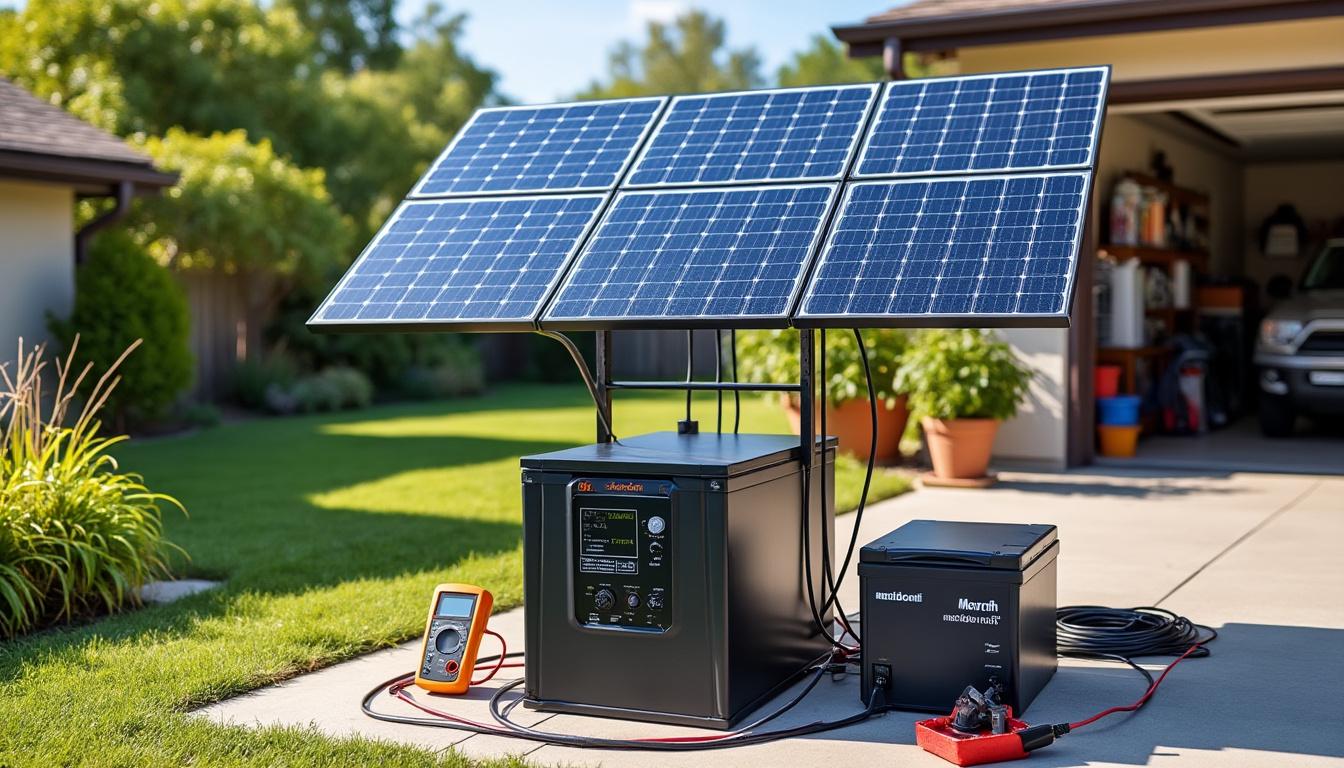
Solar generators harness energy from the sun via photovoltaic panels. They convert sunlight into electrical energy through a system comprising solar panels, a charge controller, batteries, and an inverter. These components work synergistically to create an eco-friendly power solution that is both sustainable and renewable. Solar energy is abundant and can be utilized as long as sunlight is available; thus, this method does not emit harmful greenhouse gases during operation.
On the flip side, gas generators rely on fossil fuels, such as gasoline or propane, to produce electricity. These systems employ an internal combustion engine that burns fuel to generate power, making them dependable for immediate energy requirements. Gas generators are known for their higher power output capabilities, giving them an edge in situations that demand significant wattage for heavy-duty appliances. However, this advantage comes at a cost—namely, an increase in carbon emissions and reliance on non-renewable fuel sources, which have environmental implications.
Key Components of Solar and Gas Generators
To better understand these two systems, let’s explore their core components:
- Solar Generators:
- Solar Panels: Capture sunlight and convert it into electricity.
- Charge Controller: Regulates and protects the battery and overall system.
- Batteries: Store energy for use when the sun isn’t shining.
- Inverter: Converts DC electricity from the batteries into AC electricity for standard use.
- Solar Panels: Capture sunlight and convert it into electricity.
- Charge Controller: Regulates and protects the battery and overall system.
- Batteries: Store energy for use when the sun isn’t shining.
- Inverter: Converts DC electricity from the batteries into AC electricity for standard use.
- Gas Generators:
- Engine: Burns fuel to create power through combustion.
- Alternator: Converts the engine’s mechanical energy into electricity.
- Fuel Tank: Stores the gasoline or propane needed for operation.
- Exhaust System: Vents emissions produced during combustion.
- Engine: Burns fuel to create power through combustion.
- Alternator: Converts the engine’s mechanical energy into electricity.
- Fuel Tank: Stores the gasoline or propane needed for operation.
- Exhaust System: Vents emissions produced during combustion.
Solar vs Gas generator: Cost Comparison of Solar and Gas Generators
When choosing between a solar generator and a gas generator, the financial considerations often play a crucial role. Understanding the costs associated with both initial investment and long-term maintenance can assist you in making a more informed decision.
Initially, gas generators typically have a lower purchase cost. Entry-level models can be found in the range of $500 to $2,500, making them attractive for individuals seeking a straightforward power solution. However, once you factor in the ongoing expenses for fuel, maintenance, and potential repairs, the total long-term costs can rise significantly.
| Cost Aspect | Solar Generators | Gas Generators |
|---|---|---|
| Initial Purchase Cost | $1,000 – $5,000 | $500 – $2,500 |
| Fuel Costs | None (sunlight is free) | Varies based on price and consumption |
| Maintenance Costs | Low (basic cleaning and battery checks) | High (oil changes, fuel management, repairs) |
In contrast, solar generators can demand a higher upfront investment, ranging from $1,000 to $5,000, but they offer significant savings on fuel costs over time. Once installed, solar generators often have minimal maintenance needs, primarily focusing on ensuring clean solar panels and monitoring battery health. This could lead to reduced long-term expenses, making solar a more economical option for the future.
Environmental Impact of Solar vs. Gas Generators
Environmental impact is a critical consideration in today’s energy landscape. As climate change becomes an increasingly pressing issue, the carbon footprint associated with each type of generator is more relevant than ever. Solar generators operate with zero direct emissions during usage, contributing to a cleaner environment. They harness renewable energy, which inherently reduces reliance on fossil fuels.

On the contrary, gas generators release a variety of pollutants during operation, including carbon dioxide (CO2) and nitrogen oxides (NOx). These emissions contribute to global warming and environmental degradation. A typical gas generator can emit approximately 100 pounds of CO2 for around eight hours of operation. This highlights the crucial decision-making aspect for eco-conscious consumers when weighing their options.
Portability and Setup of Generators
The ease of mobility and setup is another vital consideration when evaluating solar and gas generators. Both options bring unique advantages based on users’ specific needs.
Solar generators are generally lightweight and designed with portability in mind. Many models come with ergonomic handles or wheels, enabling quick transport to various locations, making them ideal for camping, outdoor events, or emergency power needs. Their setup is typically straightforward—just place the unit in sunlight, connect your appliances, and you’re ready to go.
Advantages of Solar Generator Portability:
- Lightweight and compact designs
- Simple setup process
- Ideal for outdoor adventures
In contrast, gas generators can be more cumbersome due to their weight and size, often necessitating additional effort for transport and setup. While they can provide more power, their performance is contingent on fuel availability and maintenance needs.
Power Output and Capacity Insights
Understanding the power output and capacity requirements is essential when comparing solar and gas generators. These factors can determine whether a generator suits particular energy needs, especially in emergencies or for daily use.
Solar generators typically offer a power output ranging from 300 to 3000 watts, making them suitable for charging small devices and powering essentials during downtime. Their limitations, however, arise when trying to use them in consistently cloudy or rainy weather, which significantly reduces solar generation efficiency.
| Power Output Comparison | Solar Generators | Gas Generators |
|---|---|---|
| Output Range | 300W – 3000W | 2000W – 10000W |
| Ideal Use Cases | Small devices, lights, and electronics | Heavy appliances and multiple devices |
Gas generators, however, excel in providing higher wattage, typically achieving outputs between 2000 and 10,000 watts. This range is advantageous when powering multiple high-energy appliances simultaneously. Their continuous operation with a reliable fuel supply makes them a robust choice for extensive energy needs.
Solar vs Gas Generator: Which to Choose and Why
| Feature | Solar Generator | Gas Generator |
|---|---|---|
| Cost | $100 – $3000 | $200 – $5000 |
| Fuel Type | Solar Energy | Gas/Fuel |
| Operating Cost | Low (Free Sunlight) | High (Fuel Costs) |
| Noise Level | Silent | Loud |
| Maintenance | Low | Moderate to High |
| Environmental Impact | Very Low | High (Emissions) |
| Portability | High | Medium |
Noise Levels Considerations
Finally, noise levels are an important factor in choosing a generator, especially for uses such as camping or residential areas. Solar generators operate quietly, usually emitting noise levels between 30 and 50 decibels. This quiet operation is beneficial for maintaining a peaceful environment during outdoor activities or emergency situations.
Gas generators, in contrast, are significantly louder, often reaching noise levels of 70 decibels or more. This noise can be disruptive in tranquil surroundings and is a consideration for those living in noise-sensitive areas.
Frequently Asked Questions
What Is a Solar Generator?
A solar generator uses sunlight to create electricity through photovoltaic panels, providing clean, renewable energy.
How Does a Gas Generator Work?
A gas generator burns fossil fuels, like gasoline, to produce electricity through internal combustion.
Which Generator Is Better for the Environment?
Solar generators are more environmentally friendly, producing zero emissions during operation compared to gas generators.
Can Solar Generators Work at Night?
Solar generators rely on sunlight and typically require battery storage for use at night.
Is a Gas Generator More Powerful than a Solar Generator?
Gas generators usually have higher power outputs, suitable for heavy loads, while solar generators are efficient for light tasks.

