

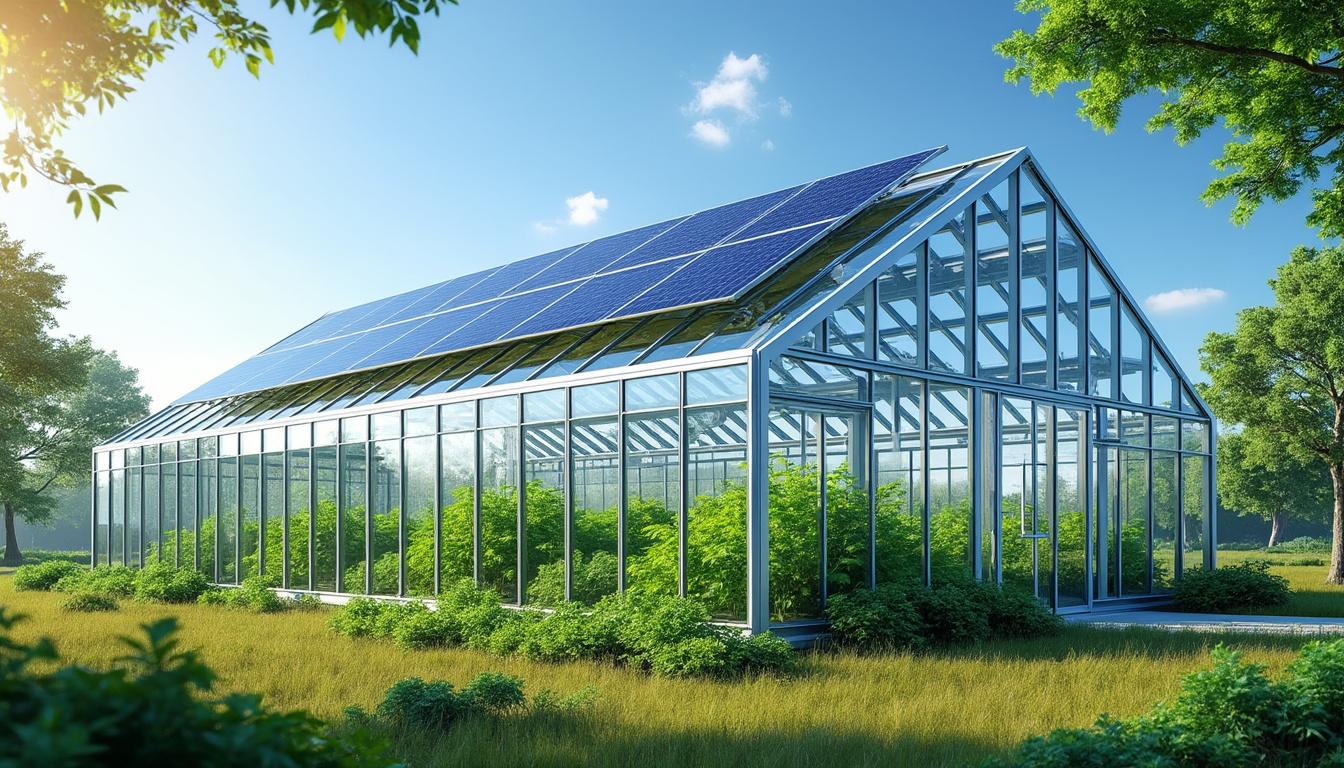
The integration of solar panels in greenhouse design has become a transformative trend in modern agriculture. With the increasing demand for sustainable agricultural practices, farmers are turning toward solar-powered greenhouses to meet both their economic and environmental needs. In recent years, the implications of such structures go beyond mere cost-cutting; they represent a significant leap toward eco-friendly methods that cater to the growing requirement for food production while minimizing the ecological footprint. These greenhouses harness the power of renewable energy to optimize growth conditions and improve crop yield, making them a vital asset in the quest for energy efficiency and sustainability.
Solar-powered greenhouses provide a multifaceted approach that caters to the dynamic challenges facing agriculture today, including climate change uncertainty and rising energy costs. By utilizing solar heating systems and natural lighting, these structures can create optimized conditions for plant growth even in adverse weather. The trade-offs in designing solar greenhouses involve understanding the balance between initial investments and long-term benefits, as well as the challenges of technology implementation. Farmers and hobbyists alike are finding innovative ways to make solar integration a reality while enhancing productivity and crop quality.
Advantages of Solar-Powered Greenhouses
When considering the switch to solar-powered greenhouses, it is crucial to highlight the numerous advantages that come with this modern farming technique. The benefits are multi-dimensional, impacting not only the growers but also the broader context of sustainable agriculture.
Enhanced Energy Efficiency and Cost Savings
Among the most pronounced benefits of utilizing solar panels in greenhouse operations is the remarkable improvement in energy efficiency. By generating their own electricity, greenhouse operators can significantly reduce dependence on fossil fuels and associated energy costs. In fact, on average, solar-powered greenhouses can deliver savings of up to 50% on energy expenses.
- Lower operating costs: Renewable energy leads to decreased utility expenses, allowing farmers to allocate funds elsewhere.
- Extended operational hours: With a reliable solar energy supply, processes such as lighting and irrigation can be carried out after hours.
- Financial incentives: Many governments are actively offering grants, tax rebates, and incentives to support the adoption of renewable energy solutions.
Positive Environmental Impact and Sustainable Agriculture
Solar-powered greenhouses contribute significantly to the fight against climate change. By utilizing renewable energy, these greenhouses reduce greenhouse gas emissions and promote environmentally responsible farming.
- Carbon footprint reduction: By relying on solar energy, farms minimize their environmental impact, supporting the goals of sustainable agriculture.
- Conservation of natural resources: Solar energy can also enhance water management practices, reducing irrigation needs and promoting efficient water usage.
- Year-round production: The ability to maintain stable temperatures and lighting helps farmers maximize their growing season, ultimately supporting food security.
Examples of Successful Solar Greenhouse Integration
Many farms globally are successfully adopting solar-powered greenhouse designs, showcasing innovative practices and inspiring future developments. Examples include:
- A California farm that employs solar panels integrated into its greenhouse roof, producing more than 30% of its total energy needs while growing high-demand crops.
- An urban agriculture project in New York City utilizes solar heating systems in conjunction with rainwater harvesting methods to create a self-sustaining food production hub.
- A community garden in Michigan successfully combines sustainable agriculture practices with solar-powered greenhouses, providing fresh produce to lower-income neighborhoods.
Challenges and Trade-Offs in Solar Greenhouse Design
Despite the various advantages, it is important to recognize the inherent challenges and trade-offs associated with solar integration in greenhouse design. Understanding these challenges allows growers to make informed decisions regarding their investments.
Initial Setup Costs
The initial investment for a solar-powered greenhouse can be considerably higher than that of a traditional greenhouse. The expense entails purchasing and installing solar panels, which can deter some potential adopters. Installation costs may range from $10,000 to $30,000, depending on the size and specifications of the greenhouse. However, many see this as an investment into a sustainable future.
- Financing options can help overcome initial cost barriers, with various federal and state programs available to assist farmers.
- Long-term savings ultimately contribute to overall efficiency, making the upfront costs more bearable over time.
- Exploring partnerships with renewable energy companies can lead to shared initial investments and facilitate adoption.
Design Limitations and Technical Challenges
Integrating solar technology into greenhouse systems can impose specific design limitations that need to be addressed. Mastering the climate control elements of the greenhouse is essential to support plant health.
- Solar panels require appropriate placement and alignment to maximize energy efficiency, which may complicate typical designs.
- Maintaining consistent temperatures can be problematic in rapidly changing weather conditions, necessitating advanced climate control systems and insulation materials.
- Growers must stay abreast of technological advancements to fully optimize energy production and address evolving challenges.
Crop Variability and Yield Concerns
The reliance on sunlight for energy production may lead to variability in crop output, depending on the weather conditions. Farmers need to be prepared for fluctuations in productivity based on external factors.
- Implementing advanced monitoring systems allows for adjustments when energy production fluctuates due to weather changes.
- Establishing backup energy sources can provide needed stability on cloudy or stormy days.
- Planning crop selection based on solar production seasonality can help optimize yields.
Innovations in Solar-Powered Greenhouse Technologies
The rapid evolution of technology has inspired innovative solutions to enhance the performance of solar-powered greenhouses. Various developments promise to optimize energy use and expand their functionality to meet the growing demands of agriculture.
Smart Climate Control Systems
New technologies in climate control allow greenhouse operators to automate temperature management effectively. These systems can integrate sensors that monitor both internal and external conditions, dynamically adjusting heating and cooling devices accordingly.
- Smart technology ensures plants receive optimal conditions by automatically adapting to changes in sunlight and temperature.
- Improved climate control can lead to significant energy efficiency gains, conserving resources and reducing operational costs.
Innovative Solar Panel Options
The advancement of solar panel technology continues to benefit greenhouse designs. Flexible solar panels that can be integrated directly into roofing materials offer crucial advantages in terms of aesthetics and functionality.
- BIPV (Building Integrated Photovoltaics) panels not only provide energy but also serve as roofing material, which reduces installation complexity.
- Emerging solar technologies demonstrate greater efficiency rates and durability, ensuring a more robust energy output.
Resilient Crop Management Strategies
The development of climate-resilient crops specifically designed to thrive in solar-powered environments has the potential to address concerns over crop variability. These crops exhibit enhanced tolerance to temperature fluctuations and limited water supply.
- Resilient crop management aids in stabilizing yields under challenging production conditions.
- Genetic modifications may yield crops with higher energy efficiency in nutrient uptake, supporting robust growth in solar greenhouses.
Practical Tips for Designing a Solar Greenhouse
Designing a solar-powered greenhouse involves careful planning and consideration of several critical factors to ensure compatibility with local climate conditions and operational goals.
Choosing the Right Location and Orientation
The placement and direction of a greenhouse are essential elements that affect light penetration and energy production.
- Opt for a south-facing location to maximize sunlight exposure, ensuring an even distribution of natural light.
- Position the greenhouse to avoid shading from nearby structures or trees that may impede solar access.
Incorporating Effective Insulation
Proper insulation is necessary for energy retention and creates a stable environment for crop growth.
- Advanced materials such as polycarbonate and thermal mass techniques can aid insulation efforts effectively.
- Consider the use of heat-retaining materials for walls and roofs to reduce energy consumption during colder months.
Utilizing Renewable Energy Systems
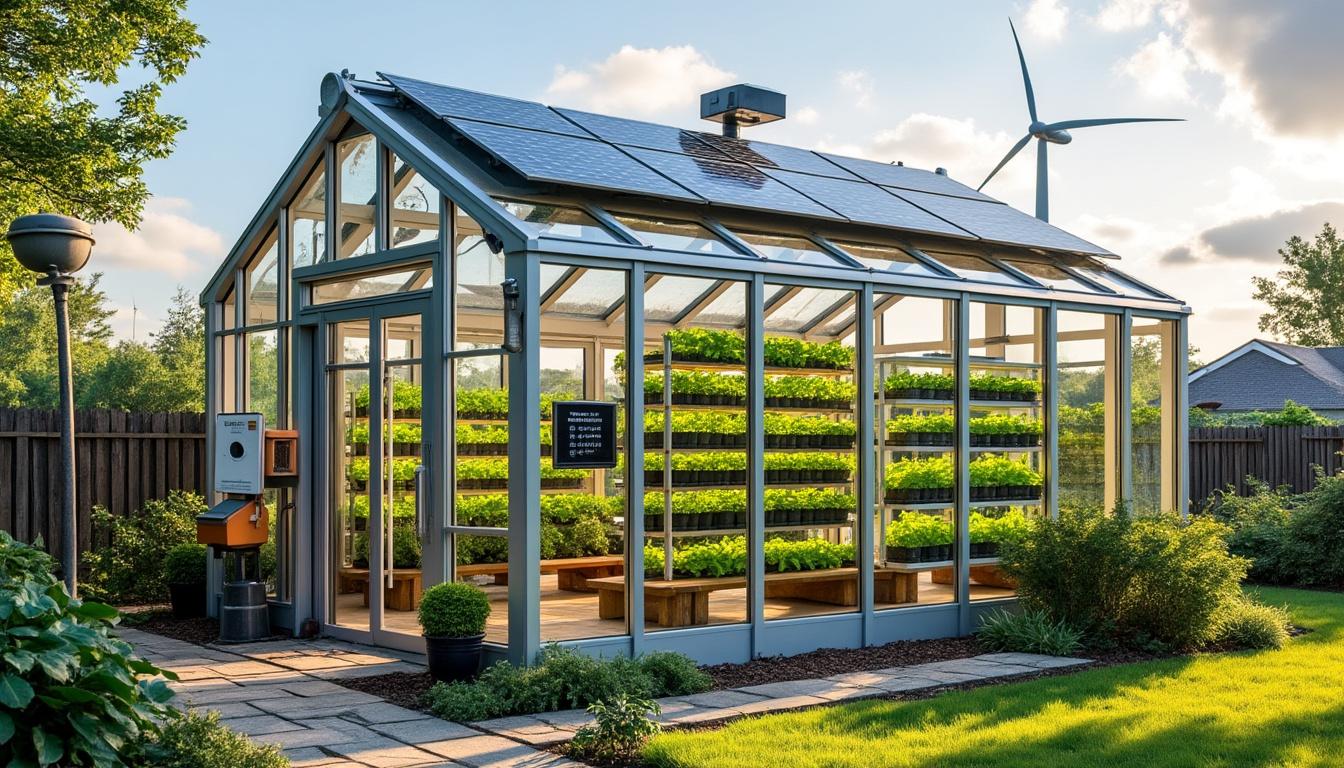
Incorporating supplementary renewable energy components, such as wind or geothermal, can bolster energy reliability.
- Combining solar energy generation with battery storage systems provides a buffer during peak demand times.
- Explore hybrid solutions that leverage multiple energy sources for enhanced efficiency and reliability.
Solar Energy Calculator for Greenhouses
What are the primary benefits of solar-powered greenhouses?
The primary benefits include reduced energy costs, increased energy efficiency, and lower environmental impact.
What are the main challenges of integrating solar panels into greenhouse design?
The main challenges include upfront costs, design limitations, and crop variability related to sunlight availability.
How do solar panels improve greenhouse crop production?
Solar panels provide renewable energy for climate control, irrigation, and lighting, allowing for optimized growth conditions.
Are there financial incentives for installing solar panels in greenhouses?
Yes, many governments offer grants and tax rebates to encourage the adoption of solar energy in agriculture.
What innovations are being used in solar greenhouse technology?
Innovations include smart climate control systems, flexible solar panel designs, and climate-resilient crop varieties.
