

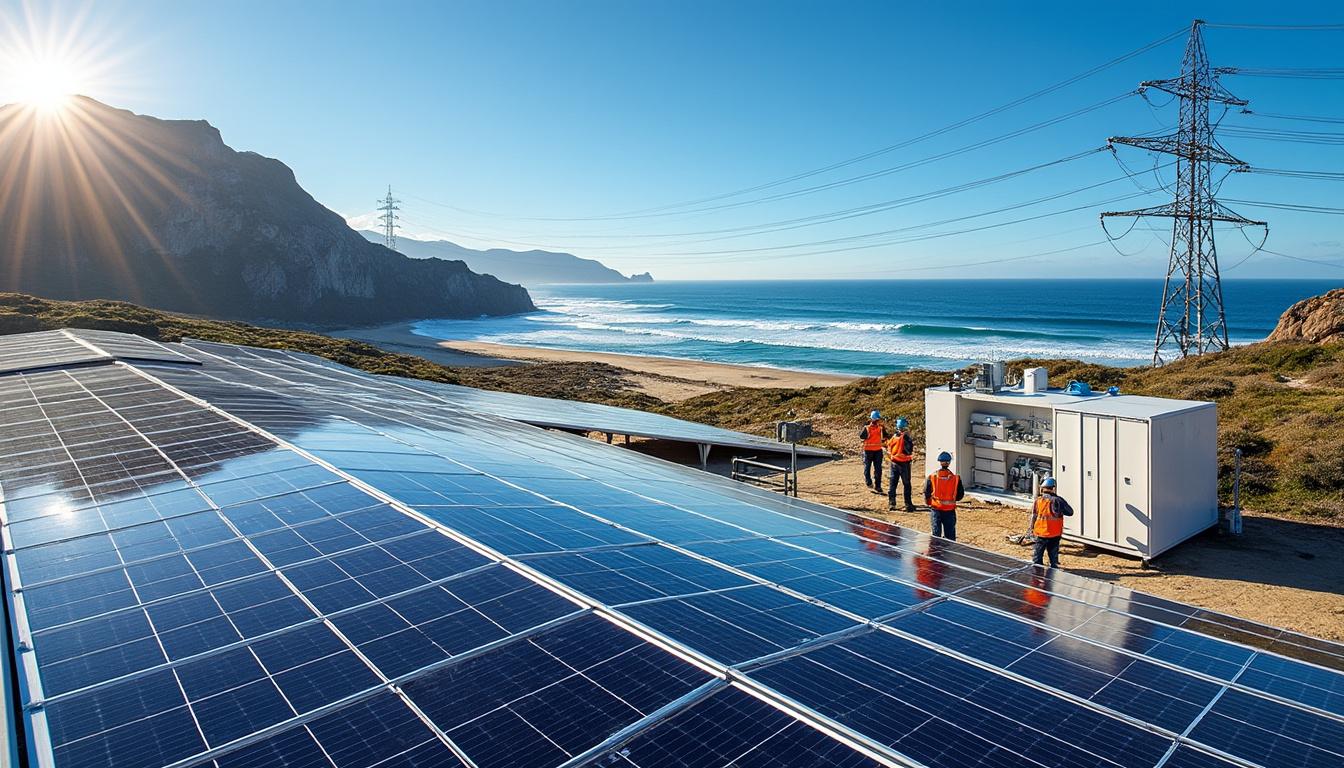
As the world continues to pivot towards the integration of renewable energy solutions, the North Coast emerges as a key player in the adoption and expansion of solar energy technologies. The region is not only embracing solar power as a sustainable energy source but is also actively deploying innovative projects that underscore the potential of solar installation as a means to achieve energy autonomy. With the advancement of technology and growing awareness about climate change, numerous initiatives are being launched which serve as both practical implementations and insightful educational tools for the community. From pioneering residential systems to large-scale commercial projects, the story of solar in the North Coast unfolds with exciting exhibitions of how communities can harness the power of the sun.
Innovative Solar Projects on the North Coast
The North Coast has witnessed a significant rise in solar projects reflecting the increasing demand for clean energy solutions. Through the concerted efforts of organizations like North Coast Solar and GRID Alternatives, numerous installations have been designed not just to power homes but also entire communities. Projects have varied in scale and complexity, showcasing the adaptability of solar technology in unique geographical settings.
One of the standout projects includes various solar electric systems meticulously installed across local residences, agricultural sites, and businesses. This adaptiveness highlights the different types of installations that have been undertaken:
- Residential Solar Systems: Tailored to meet the energy needs of individual households, these systems promote self-sustainability while providing significant savings on electric bills.
- Community Solar Farms: Serving multiple families or neighborhoods, these farms allow shared access to solar benefits, fostering cooperation among community members.
- Commercial Solar Installations: Businesses, particularly in sectors such as wineries and agriculture, have reported substantial cost reductions alongside increased energy reliability.
In 2023 alone, over 42 new solar projects were completed in the North Coast, resulting in more than 191 DC kW of installed solar energy and substantial energy storage solutions. These developments not only impact energy consumption but also create training programs engaging local talent, further contributing to the economy and sustainable practices.
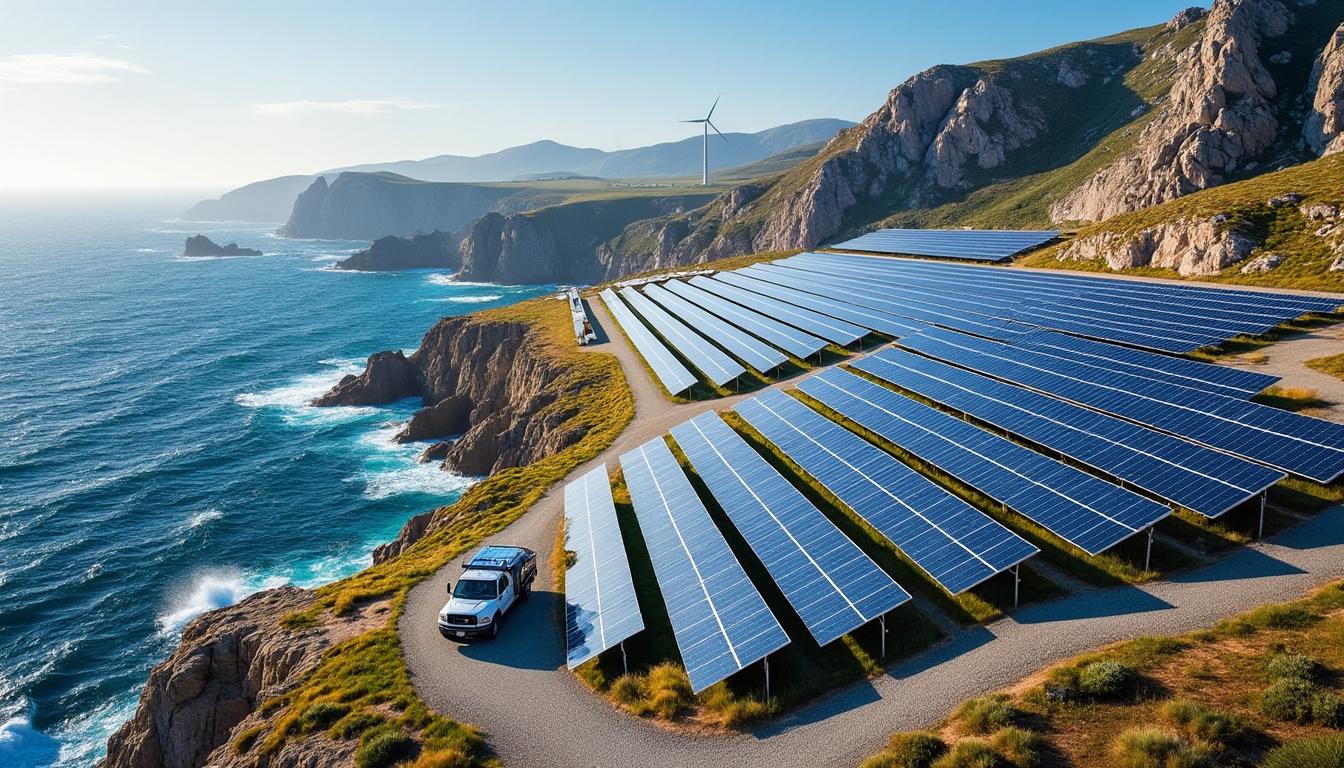
The success of these projects can be attributed to the strategic partnerships formed with local tribes and educational institutions. Recent collaborations have engaged trainees from three Native American tribes and Mendocino College, providing them with hands-on experience while fostering a community-centered approach to energy solutions. This enables a unique intersection of culture, education, and sustainable technology, which supports the vision of a more ecological future.
Exploration of Specific Solar Projects
Diving deeper into the solar projects undertaken, one can consider the North Coast Highway Solar Project, proposed to establish a 2.8-megawatt solar photovoltaic power generation facility. This facility aims to supply renewable energy to the grid, occupying an approximately 11-acre area with advanced solar panels and associated technology. Additionally, the project is designed to accommodate ecological considerations, ensuring that while energy needs are met, environmental health is prioritized.
Commercial solar developments within the North Coast region have also targeted specific industries such as agriculture and hospitality. Wineries, for example, stand to benefit tremendously from solar energy as they can capture excess solar output during the summer months, storing credits for use during peak harvest seasons. This helps stabilize operational costs and supports the wineries’ commitments to sustainability.
The incorporation of floating solar arrays in irrigation ponds highlights another innovative approach, reducing evaporation rates and forestalling algae growth while generating energy. These installations exemplify creativity in coupled water management and energy production, answering both agricultural and energy challenges.
Renewable Resources and Grid Integration
The integration of solar energy into the existing energy grid requires careful planning and understanding of how distributed energy resources can effectively contribute to overall energy management. The North Coast region is increasingly focused on ensuring that what is generated through its solar farms can be efficiently utilized, stored, and shared across the energy grid.
Understanding the dynamics of grid integration involves exploring both challenges and solutions, with innovations in technology leading the way. Key areas of focus include:
- Energy Storage Solutions: Systems like battery backups allow homeowners and businesses to store excess energy generated during the day for evening use, creating resilience against outages and fluctuations.
- Smart Grid Technologies: The implementation of smart meters and real-time monitoring systems ensures effective management and distribution of solar power throughout the grid.
- Demand Response Programs: Initiatives designed to adjust electricity usage based on demand signals from the grid help in balancing supply and consumption levels efficiently.
The importance of these integrations cannot be overstated. As renewable technologies evolve, the ability to seamlessly combine solar resources with traditional power generation methods becomes paramount. It creates a more robust and flexible energy grid capable of adapting to the demands of modern energy consumption.
| Technology | Benefits | Challenges |
|---|---|---|
| Energy Storage Solutions | Enhanced energy reliability, cost savings | High initial costs, technology adaptability |
| Smart Grid Technologies | Improved efficiency, real-time monitoring | Integration with existing infrastructure |
| Demand Response Programs | Better grid stability, customer savings | Behavioral barriers, technology adoption |
The exploration of renewable resources continues to bring fresh perspectives and solutions on how communities can harness the potential of solar power while addressing pressing environmental concerns. Through these innovations, the North Coast illustrates a proactive approach in sustainable energy integration, paving the way for a greener future.
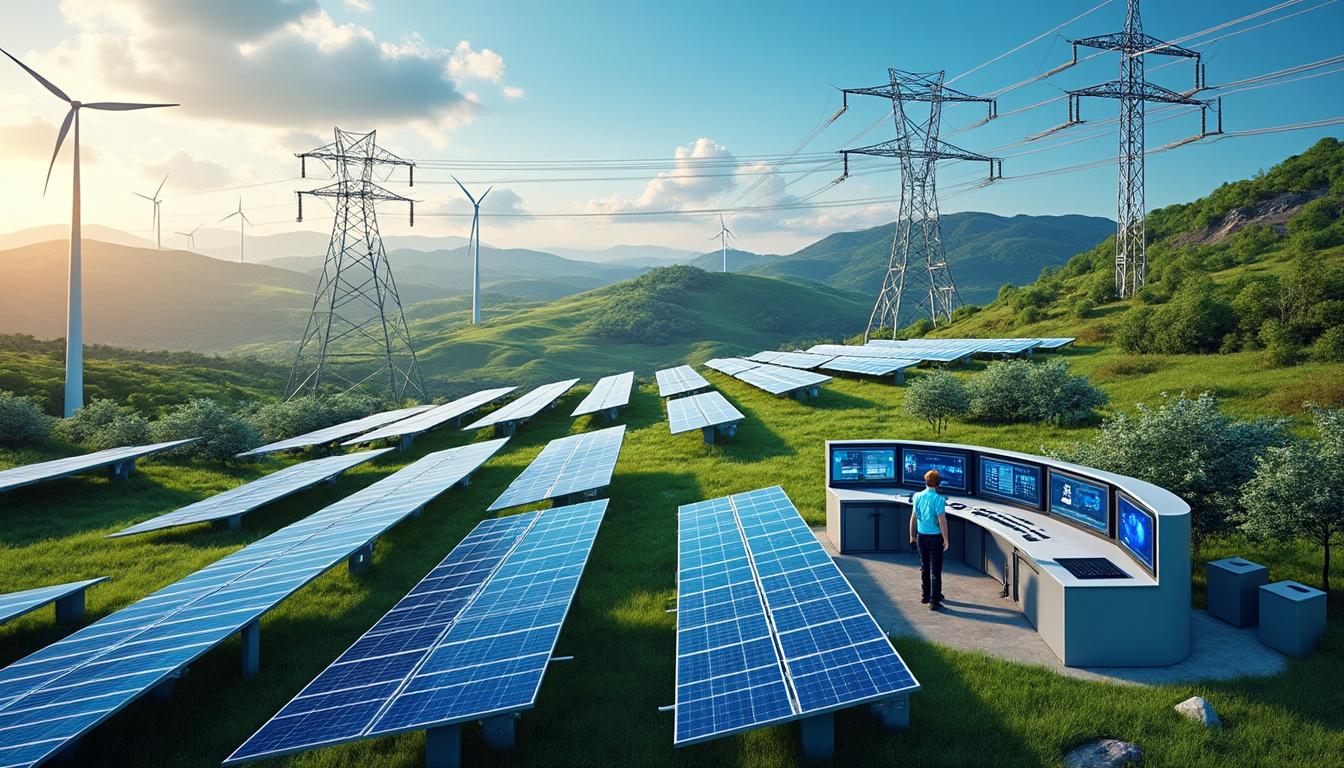
The Role of Solar in Education and Community Engagement
Education plays a pivotal role in the success of solar projects, with schools and local organizations incorporating renewable energy concepts into their curricula. Initiatives focused on educating the young generations not only foster awareness but also inspire a commitment to sustainability. By implementing solar education programs in schools, students engage with the concepts of renewable energy, understanding how they can minimize their carbon footprint.
Schools are increasingly finding innovative ways to incorporate solar energy into their infrastructure. Projects may include:
- Solar Installations on Campuses: Installing solar panels on school rooftops or open areas to provide power for facilities.
- Interactive Curriculum: Developing science courses focused on energy resources and sustainability, utilizing the school’s solar system as a real-world example.
- Community Workshops: Offering courses for the community at large, teaching practical skills about solar installation, maintenance, and energy conservation.
Engagement with local communities not only enhances educational opportunities but also generates public support for solar initiatives. Collaboration with organizations such as GRID Alternatives amplifies the impact, extending outreach and participatory learning experiences beyond the classroom. As students and residents alike gain more knowledge about the benefits of renewable resources, they feel empowered to advocate for sustainable practices in their own lives.
Through these initiatives, the North Coast is setting the precedent on how renewable energy can intertwine with community empowerment, facilitating a culture of innovation and responsibility that addresses climate change head-on.
Future Prospects for Solar Energy in the North Coast
The landscape for solar energy in the North Coast indicates an exciting trajectory for the coming years. Recent technologies are paving the way for enhanced solar capabilities and efficiency, attracting investments into clean energy projects. Advancements in materials, solar panel technologies, and innovative project designs such as tracking solar installations bolster the industry’s growth potential.
As solar energy projects become increasingly prevalent, initiatives like California’s Solar Generation Incentive Program (SGIP) provide significant financial support for homeowners adopting these technologies. The potential for projects to also incorporate battery storage systems enhances this growing appetite for energy independence.
- Expansion of Floating Solar Technologies: Given the land-scarce nature of certain communities, further deployment of floating solar systems may mitigate land-use challenges while maximizing energy production.
- Improving Energy Efficiency Standards: As more buildings are designed with sustainability in mind, integrating construction standards that prioritize energy efficiency will lead to reduced energy demands.
- Increased Community Participation: Anticipated community-based projects will further encourage local contributions to renewable resource management and energy independence, allowing individuals to become integral to the shift.
In conclusion, the collective efforts across educational institutions, businesses, and governmental organizations in the North Coast can encapsulate a robust approach toward energy transition and climate action. From residential solar systems to large-scale projects, there lies an opportunity for every individual and entity to participate in this evolution towards sustainable energy.
What are the benefits of solar energy?
Solar energy provides a sustainable and renewable source of power, reducing reliance on fossil fuels, lowering electricity bills, and decreasing greenhouse gas emissions.
How can I install solar panels on my home?
You can install solar panels by contacting a certified solar installation company, which will conduct a feasibility analysis, discuss financing options, and handle the installation process.
What are floating solar panels?
Floating solar panels are solar photovoltaic systems that are installed on bodies of water, reducing land use and evaporation while generating clean energy.
How does net metering work with solar energy?
Net metering is a billing mechanism that credits solar energy system owners for the electricity they add to the grid, allowing them to offset their energy costs.
What incentives are available for solar installation?
Various incentives are available, including federal tax credits, state rebates, and local grants for installing solar systems, which can significantly reduce upfront costs.
Solar Power Savings Calculator
Calculate your potential savings with solar power based on your usage and installation costs.
