As we navigate through a rapidly changing climate, the quest for sustainable practices in agriculture has become more critical than ever. Embracing renewable energy sources, particularly solar power, is paving the way for innovative farming methods that can effectively contribute to environmental preservation while boosting productivity. At the forefront of this transformation is the solar-powered greenhouse—a formidable tool that harnesses the sun’s energy to optimize growing conditions. This article delves into the myriad of power options available for these greenhouses, how to assess energy needs, and the essential considerations for sizing the solar systems accurately to accommodate your unique agricultural goals.
The Advantages of Solar Power in Greenhouses
Solar greenhouses are revolutionizing the way we think about farming, offering a tremendous opportunity to decrease operational costs while enhancing sustainability. The integration of solar power into greenhouses brings several advantages:
- Cost Savings: One of the primary benefits is the substantial reduction in energy bills. After the initial investment in solar panels, the ongoing electricity generated from sunlight is essentially free, allowing farmers to save significantly on utility costs.
- Environmental Impact: Solar energy is both renewable and clean, helping to reduce greenhouse gas emissions dramatically. This transformation positively contributes to the fight against climate change.
- Energy Independence: Incorporating solar power ensures that the greenhouse operates independently from the grid, offering reliable energy supply even during outages, thereby improving operational stability.
- Long-Lasting Investment: Solar panels typically have a lifespan of 25 to 30 years, resulting in long-term gains with minimal maintenance costs.
- Enhanced Marketability: With increasing awareness around sustainability, a solar-powered greenhouse can attract environmentally-conscious customers and possibly qualify for various green certifications or incentives.
By harnessing solar energy, greenhouse operators are not only optimizing their operational capabilities but also enhancing their profile within the broader agricultural community devoted to sustainable practices.
| Benefits of Solar Power in Greenhouses | Details |
|---|---|
| Cost Savings | Reduction in utility bills after the initial solar panel investment. |
| Environmental Impact | Significantly lowers greenhouse gas emissions. |
| Energy Independence | Reliable energy supply even during grid failures. |
| Long-Lasting Investment | Panels last for 25-30 years with minimal maintenance. |
| Enhanced Marketability | Attracts eco-conscious customers and potential certifications. |
Assessing Energy Needs for Your Greenhouse
Before diving into the specifics of installation, understanding the energy consumption of your greenhouse is paramount. This evaluation assists in determining the appropriate size and type of solar system needed.
Start by conducting an audit of your current energy usage:
- Electricity Bills: Review your utility bills for a full year, noting average monthly and seasonal consumption insights.
- Heating and Cooling Requirements: Understand how many systems you have in place for maintaining optimal temperatures.
- Lighting Needs: Assess whether you rely on supplemental lights or solely on natural sunlight for plant growth.
- Ventilation and Irrigation Systems: Evaluate fan operations, water pumps, and other equipment that will draw power.
- Future Expansions: Consider potential expansions or additional equipment that could increase your energy demand.
By thoroughly analyzing these aspects, you can estimate your greenhouse’s overall power capacity more accurately, ensuring your solar system meets current and future energy needs efficiently.
| Energy Consumption Assessment Factors | What to Consider |
|---|---|
| Electricity Bills | Yearly analysis for average monthly usage. |
| Heating Requirements | Current heating systems and their energy draw. |
| Lighting Needs | Supplemental lighting assessment versus natural light. |
| Ventilation Systems | Power consumption of fans and pumps. |
| Future Equipment | Estimated additional energy needs for expansions. |
Choosing the Right Solar Panel System for Your Greenhouse
Once you’ve established a clear understanding of your energy needs, the next critical step is selecting the appropriate solar panel system for your greenhouse. The system configuration heavily influences performance and energy efficiency.
Here are a few common options:
1. Grid-Tied Systems
A grid-tied solar system connects directly to the local utility grid. Any excess electricity generated can be fed back to the grid for credits through net metering.
- Pros: Lower installation costs, ability to draw power from the grid when needed, and maximization of savings through net metering.
- Cons: Does not supply power during outages without a battery backup system.
2. Off-Grid Systems
Off-grid systems operate independently from the utility grid, utilizing battery storage for energy supply during non-productive days.
- Pros: Complete energy independence and ideal for remote or off-grid locations.
- Cons: Higher initial investment due to battery costs, requiring careful energy management.
3. Hybrid Systems
Combining both grid-tied and off-grid functionalities, hybrid systems offer flexibility and security against grid failures.
| Solar Panel System Types | Advantages | Disadvantages |
|---|---|---|
| Grid-Tied Systems | Lower installation cost, net metering. | No backup power during outages. |
| Off-Grid Systems | Full independence, ideal for remote areas. | Higher initial costs, complex management. |
| Hybrid Systems | Flexibility and backup options. | More complex installation, higher costs. |
Installation Considerations for Solar Panel Systems
When installing solar panels for your greenhouse, proper planning is crucial. This includes the optimal placement of panels to ensure maximum sun exposure without negatively affecting plant health.
Here are essential factors to consider:
- Location and Orientation: Panels should be installed facing south in the Northern Hemisphere (or north in the Southern Hemisphere) to optimize sunlight absorption.
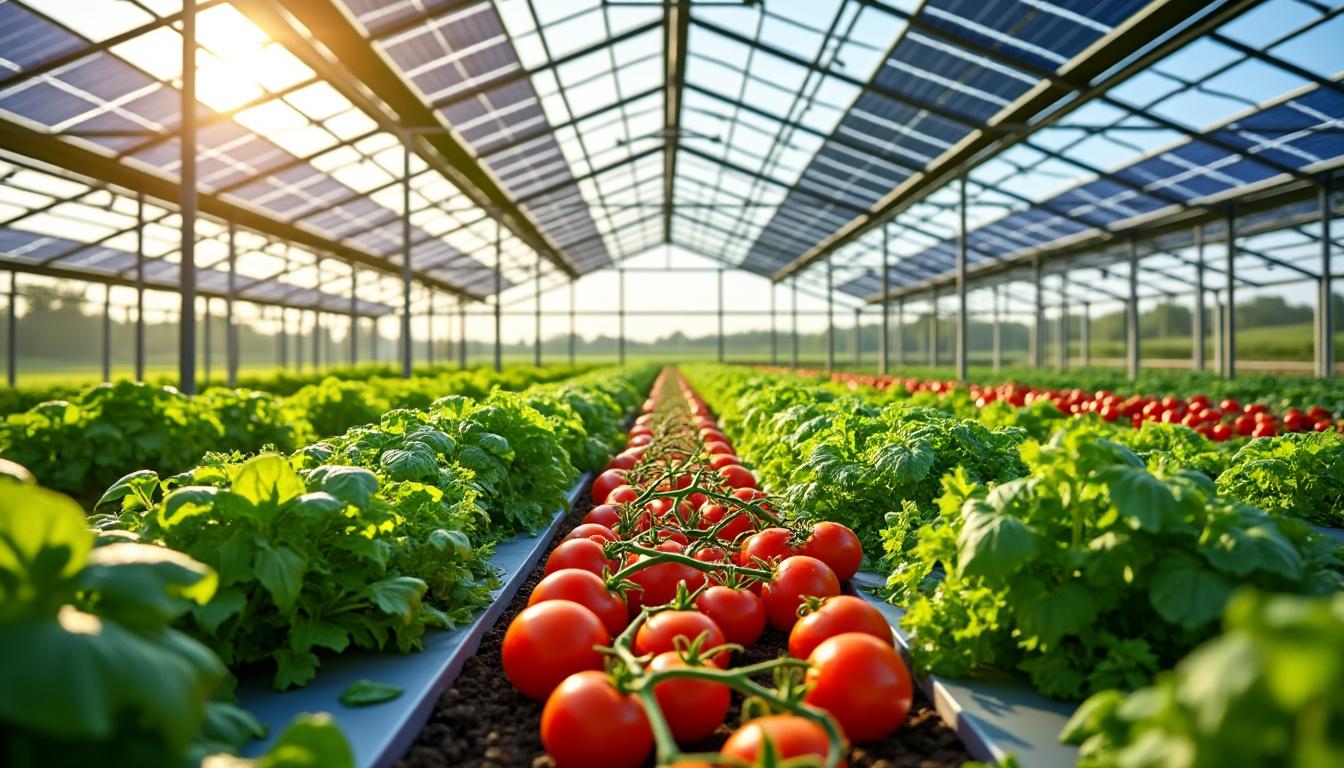
- Impact on Plant Growth: Transparency in solar panels can mitigate shading on your crops, maintaining adequate light levels for photosynthesis.
- Electrical Infrastructure: Ensure safe wiring and the installation of inverters, along with compliance with electrical codes.
- Permits and Regulations: Research any necessary local permits and potential financial incentives available for solar projects.
Each of these elements plays a significant role in the optimization of your solar system, ensuring that it meets both energy needs and operational efficiency.
| Installation Considerations | Details |
|---|---|
| Location and Orientation | South-facing placement in the Northern Hemisphere. |
| Impact on Plant Growth | Choosing transparent panels to minimize shading effects. |
| Electrical Infrastructure | Compliance with wiring codes and proper installation. |
| Permits and Regulations | Check local regulations and potential incentives for solar. |
Solar Panel Sizing Calculator
Calculate the number of solar panels needed for your solar powered greenhouse.
Financial Aspects: Costs and Incentives for Solar Systems
The financial implications of installing solar systems in greenhouses vary widely depending on factors such as size, type of panels chosen, and local incentives. Understanding these aspects is essential for planning financially sustainable installations.
Typical costs include:
- Solar Panels: Ranging from $0.70 to $1.50 per watt depending on the type.
- Inverters: Costs around $1,000 to $3,000.
- Other Components: Mounting hardware, installation labor, and electrical components.
Many governments also offer various incentives that can significantly offset the costs, such as:
- Tax credits, like the Investment Tax Credit in the U.S.
- Grants or subsidies aimed at promoting renewable energy.
- Net metering credits for excess energy fed back into the grid.
| Cost Breakdown | Average Estimate |
|---|---|
| Solar Panels | $0.70 - $1.50 per watt |
| Inverter Costs | $1,000 - $3,000 |
| Installation and Electrical Components | Variable based on location and complexity |
What is a solar-powered greenhouse?
A solar-powered greenhouse uses solar energy to provide heat, light, and electricity for growing plants, optimizing energy efficiency and sustainability.
How do I determine my greenhouse's energy needs?
Conduct an energy audit by reviewing electricity bills, assessing heating and lighting requirements, and considering future expansions.
What types of solar systems are available for greenhouses?
There are grid-tied systems, off-grid systems, and hybrid systems, each with its advantages and disadvantages depending on your needs.
What are the costs associated with solar panel installation?
Costs can vary but typically include solar panels, inverters, installation labor, and electrical components, with potential financial incentives available.
Are there incentives for installing solar panels?
Yes, many governments offer tax credits, grants, and net metering policies to encourage renewable energy installations.