


As the demand for renewable energy continues to surge, particularly within the context of the climate crisis, Massachusetts has emerged as a frontrunner in solar adoption. The state’s commitment to sustainability, coupled with substantial incentives, makes it an attractive option for homeowners considering solar energy solutions. From soaring electricity rates to a growing consciousness about cleaner energy sources, it’s essential to delve into the factors influencing the solar panel cost in Massachusetts and how this impacts potential investors. At the heart of this discussion lies a need for transparency and education regarding the various elements—economic, environmental, and technological—that define the landscape of solar energy in the 2020s.
Notably, the average cost of solar panels in 2024 is projected to be around $3.29 per watt, fluctuating between $3.01 and $5.99 depending on several variables like location, installation quality, and system size. A typical 5-kilowatt solar installation can set homeowners back an estimated $16,443 before incentives. Given these figures, exploring the nuances of financing options, potential savings over time, and the long-term benefits of solar energy becomes critically important.
Understanding Solar Panel Costs in Massachusetts
The cost of solar panels in Massachusetts does not exist in a vacuum; it is profoundly influenced by myriad factors ranging from system size, installation costs, to local market conditions. In the current landscape, the average solar system cost varies significantly, with many homeowners seeking installations that fit both their energy needs and their budgets. This complexity highlights why it is essential to obtain multiple quotes from different providers to ensure competitive pricing and satisfactory service.
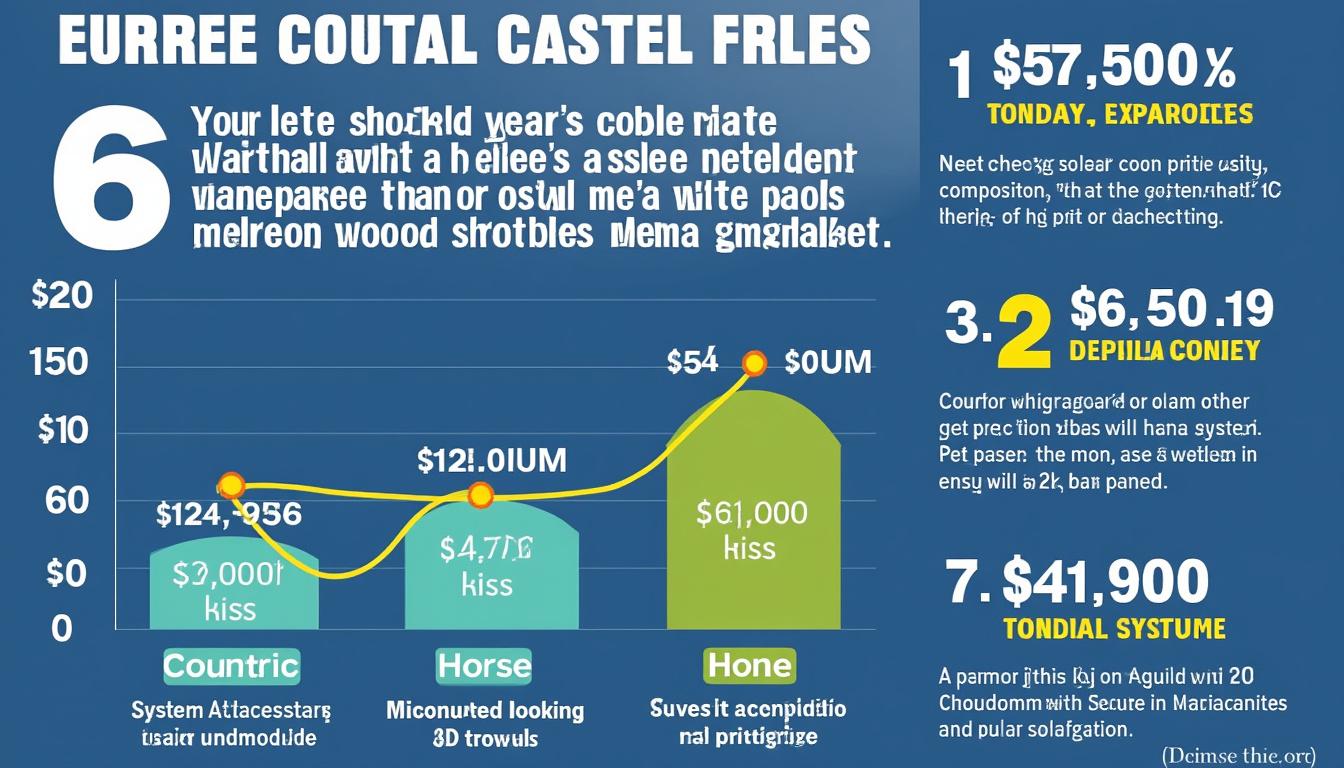
Furthermore, the state has various programs that monitor solar pricing trends, offering insights into averages that are useful for prospective buyers. For example, the Massachusetts Clean Energy Center offers a dashboard where homeowners can explore pricing across different counties and system types. Here, users can see median prices of solar systems that qualify for state-supported programs such as SMART (Solar Massachusetts Renewable Target) and its predecessor, often referred to as SREC (Solar Renewable Energy Certificates).
Factors Influencing Costs
Several crucial factors determine the overall cost homeowners can expect to pay when they decide to install solar panels. Understanding these components can significantly help in budgeting for a solar investment:
- System Size: The capacity of the solar installation, typically measured in kilowatts (kW), plays a pivotal role in determining the upfront costs. Homeowners usually require systems ranging between 5 kW and 10 kW for average consumption.
- Type of Solar Panels: Various types of solar panels exist—monocrystalline, polycrystalline, and thin-film—with differing efficiencies and costs. High-efficiency panels may be more expensive, but could yield greater long-term energy savings.
- Labor and Installation: Labor costs in Massachusetts can be quite competitive, and experienced installers often charge a premium for their expertise. The quality of installation can impact not only the initial cost but also the longevity and performance of the system.
- Roof Conditions: The existing condition of your roof will also determine installation costs. If your roof requires repairs or is made of challenging materials (like slate), that can elevate costs.
- Available Incentives: State and federal incentives can significantly offset the initial costs, making solar energy more feasible. For instance, the federal solar tax credit allows homeowners to deduct 30% of their total solar installation costs from their federal taxes.
Potential Savings from Solar Energy
Installing a solar energy system can provide substantial financial benefits in the long run. When analyzing the savings associated with solar energy, various cost-saving factors come into play:
| Time Period | Estimated Savings |
|---|---|
| Yearly Savings | Up to $1,500 |
| 20-Year Savings | Approximately $30,000 |
| 25-Year Savings | Potentially $37,500 |
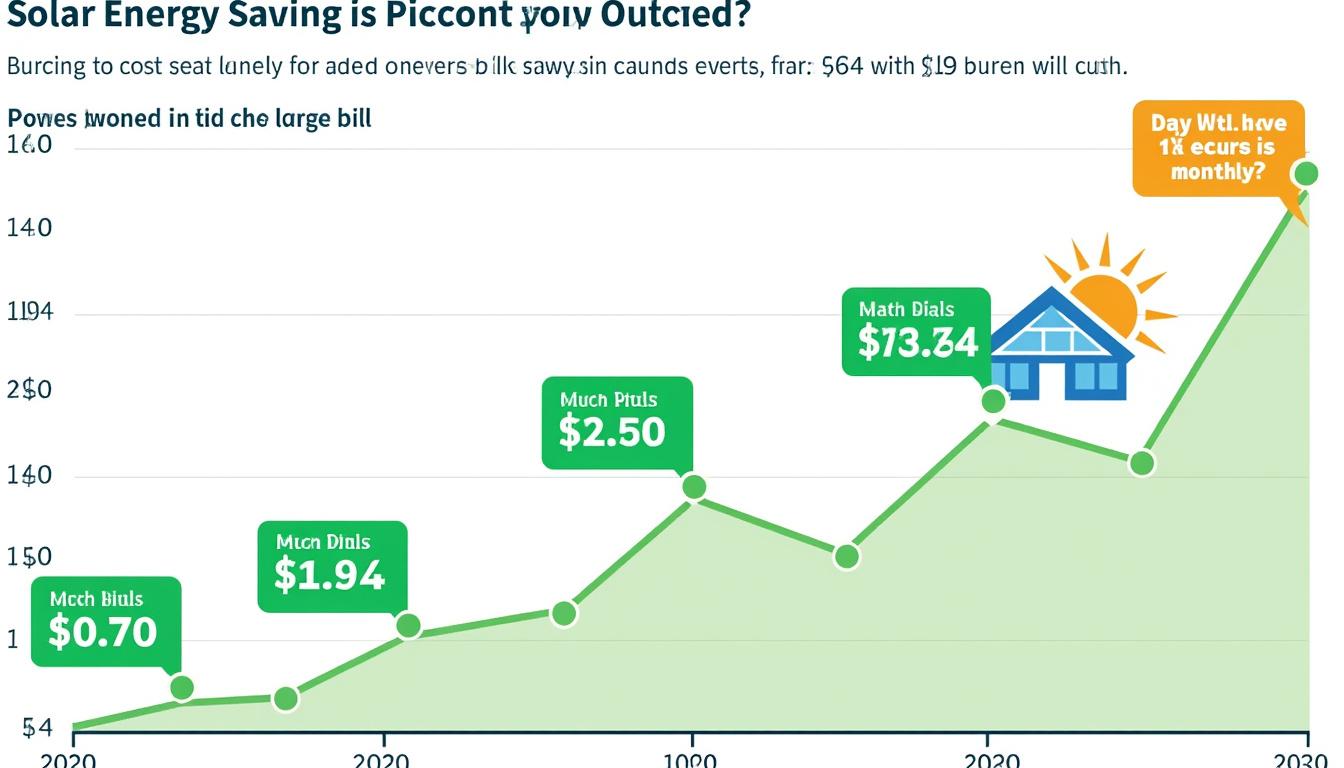
When considering these figures, the idea of switching to solar energy becomes more appealing. Aside from the obvious reduction in monthly electricity bills—which in Massachusetts can average around $0.22 per kWh—homeowners can also profit through net metering programs. These programs allow individuals to sell excess energy back to the grid, providing additional savings and incentives for solar adoption.
Long-term Benefits
The financial advantages of solar energy extend beyond immediate savings on electricity bills. Long-term benefits reflect on home values, energy independence, and environmental impact:
- Increased Home Value: Homes with solar panels often see an increase in property value, estimated to be around 3-4%. This increase is especially relevant as more buyers become eco-conscious.
- Job Creation: The move towards renewable energy contributes to job growth within the state as a burgeoning solar industry emerges.
- Environmental Impact: Installing a solar system reduces reliance on fossil fuels and decreases carbon emissions—contributing to climate change mitigation efforts.
Financing Solar Installations in Massachusetts
Understanding how to finance your solar panel investment is crucial. Homeowners have multiple options when it comes to financing solar installations, making solar energy accessible to a broader audience. Financing options include upfront purchases, loans, solar leases, and power purchase agreements (PPAs).
| Financing Option | Description |
|---|---|
| Upfront Purchase | Paying the full cost of the solar system upfront, maximizing federal and state incentives. |
| Solar Loans | Secured or unsecured loans to cover installation costs, often paid back over time. |
| Solar Leases | Lease the solar panels, making fixed monthly payments without owning the system. |
| Power Purchase Agreement (PPA) | Pay for the energy produced by the panels rather than owning them, typically at a lower rate than utility prices. |
Such financing options come with their own advantages and disadvantages, and understanding them clearly can help homeowners make informed decisions about transitioning to solar energy. Given the intricacies of the solar panel price landscape in Massachusetts, diligence in research and planning is essential.
Solar Panel Cost Calculator for Massachusetts
Massachusetts Solar Incentives and Rebates
To further encourage solar adoption, Massachusetts provides several incentives designed to alleviate the financial burden of installation. Some notable incentives include:
- Federal Solar Tax Credit: Homeowners can receive a tax credit worth 30% of their solar installation costs, substantially decreasing the overall expense.
- SMART Program: Offers compensation for energy produced by solar installations, ensuring financial returns for systems that generate power.
- Massachusetts Solar Rebates: Available to those who install solar energy systems, helping to offset initial costs and speeds up the return on investment.
- Net Metering: Homeowners receive credit for surplus energy generated by their solar systems that is fed back into the grid.
By leveraging these incentives, new solar owners can significantly reduce their financial outlays while maximizing their return on investment. With careful planning and understanding of these programs, transitioning to solar energy proves to be a smart and sustainable choice.
What is the average cost of solar panels in Massachusetts?
As of 2024, the average cost of solar panels in Massachusetts is approximately $3.29 per watt. A typical 5 kW installation may cost about $16,443 before any tax credits.
How can I save money with solar energy?
By switching to solar, homeowners can save up to $1,500 a year on electricity bills. With various rebates and incentives, the return on investment can be quite favorable.
Are there financing options for solar installations?
Yes, financing options in Massachusetts include upfront purchases, solar loans, leases, and Power Purchase Agreements (PPAs), catering to different economic circumstances.
What rebates are available for solar energy installations in Massachusetts?
Massachusetts offers the federal solar tax credit, the SMART program, and various state solar rebates to help lessen installation costs.
How does solar energy impact property value?
Homes with solar installations see an increase in property value, often ranging from 3% to 4%, making them more appealing in the real estate market.

