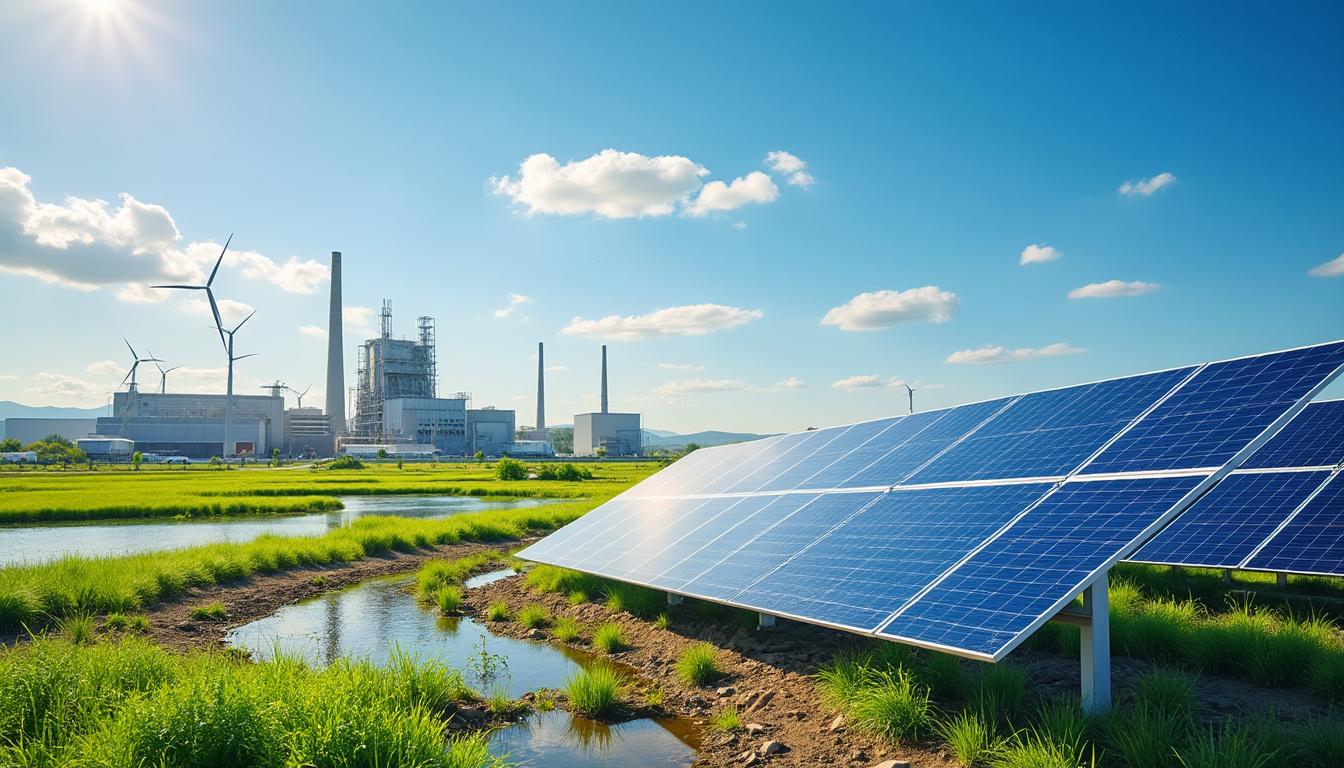
In the quest for sustainable energy solutions, solar thermal energy has emerged as a powerful contender. Unlike its more famous sibling, photovoltaic solar energy, solar thermal energy harnesses the sun’s heat rather than its light. This article explores the fundamental concepts and diverse applications of solar thermal energy, shedding light on its potential to contribute to our energy needs while promoting environmental sustainability. By leveraging the natural resources at our disposal, solar thermal systems can significantly reduce reliance on fossil fuels, minimize carbon emissions, and enhance overall energy efficiency. As we delve into the workings of solar thermal technology, we will uncover its advantages, challenges, and the vast landscape of its applications across various sectors.
Understanding Solar Thermal Energy
Solar thermal energy, often referred to as the term solar energy, uses the sun’s radiation to generate heat, which can be utilized for several purposes. This system operates on the principle of converting solar radiation into thermal energy. Unlike solar photovoltaic (PV) systems that convert sunlight directly into electricity, solar thermal systems focus on heating solutions. The energy gathered can serve numerous functions, including heating water and spaces, and supporting industrial processes. It primarily operates through solar collectors, which capture sunlight and convert it into heat.
Solar collectors consist of two main components: the outer covering, which protects the system, and the absorption plate that collects solar radiation. These systems can markedly decrease energy costs and contribute to energy independence. On average, water heating can account for about 20% of household energy consumption. Emphasizing solar water heating can significantly impact reducing energy bills and overall energy consumption in homes and commercial buildings.
Components of Solar Thermal Systems
Solar thermal systems generally comprise several key components:
- Solar collectors: These are responsible for gathering and converting solar radiation into thermal energy.
- Heat transfer fluid: The fluid, typically water or a specialized mixture, circulates through the system, absorbing and transporting heat.
- Storage systems: These systems store the thermal energy for later use, ensuring that the energy can be utilized even when the sun isn’t shining.
- Heat exchangers: These transfer heat from the fluid to the water or air intended for heating.
This combination allows solar thermal systems to operate efficiently, converting sunshine into usable heat. The process is effective not just for residential applications but has also been scaled to serve commercial buildings and industrial processes, showcasing remarkable versatility.

The Mechanism of Solar Thermal Energy Systems
Understanding how solar thermal systems work is crucial for recognizing their efficiency and effectiveness. The primary mechanism involves several steps in which solar radiation is collected and converted into heat. The system begins by collecting sunlight through solar collectors. These collectors convert solar radiation into heat using various mechanisms, including flat-plate collectors, evacuated tube collectors, and concentrating solar power systems.
Once the solar radiation is converted into heat, it raises the temperature of the heat transfer fluid flowing through the collectors. The heated fluid then moves to a storage tank where the thermal energy is stored until needed. This storage capability is particularly advantageous as it allows for energy use during hours when there is no sunlight, enhancing energy reliability.
Types of Solar Collectors
Solar thermal systems utilize different types of collectors based on the applications and temperatures required:
| Type of Collector | Temperature Range | Applications |
|---|---|---|
| Flat-plate collectors | Low to medium (up to 80°C) | Residential water heating, swimming pools |
| Evacuated tube collectors | Medium to high (up to 150°C) | Industrial processes, larger applications |
| Concentrating solar power (CSP) | High (over 300°C) | Electricity generation in solar power plants |
Each type of collector has its unique advantages and applications, allowing for tailored solutions depending on the specific energy needs and environmental conditions. For instance, flat-plate collectors are commonly used for residential water heating due to their simple design and effectiveness, while concentrating solar power systems are employed in large-scale solar energy plants to generate electricity.
Applications of Solar Thermal Energy
The applications of solar thermal energy are vast and varied, which highlights its potential in promoting renewable energy solutions and sustainability. Whether in residential, commercial, or industrial settings, solar thermal systems can achieve significant energy savings. Below are some notable applications:
- Solar water heating: This is one of the most common applications, providing hot water for households, swimming pools, and even industrial processes.
- Space heating: Many buildings utilize solar thermal systems for space heating, either directly through radiant heating systems or indirectly via heat exchangers.
- Process heating: Industries leverage solar thermal systems for process heating, supporting various applications such as food processing and textile manufacturing.
- Cooling solutions: Solar thermal energy can also support cooling systems, which use evaporation and condensation methods to create chill.
- Desalination: Some innovative uses include solar thermal desalination systems that convert seawater into potable water.
With such a broad range of applications, solar thermal energy is poised to play an essential role in future sustainable energy strategies. By harnessing the sun’s thermal energy, we can meet our growing energy demands while reducing our carbon footprint.

Advantages and Challenges of Solar Thermal Energy
Solar thermal energy systems offer numerous advantages that contribute to their growing adoption across different sectors. Some of the most pronounced benefits include:
- Renewable energy source: Solar thermal energy harnesses a virtually inexhaustible resource — the sun — reducing dependency on fossil fuels.
- Energy efficiency: Solar thermal systems can achieve higher thermal efficiencies compared to other renewable technologies, sometimes exceeding 50%.
- Lower operational costs: Once installed, solar thermal systems require minimal maintenance, resulting in lower operational costs over time.
- Environmental impact: They emit no greenhouse gases during operation, significantly reducing the carbon footprint associated with energy production.
Despite these advantages, challenges remain for widespread adoption. Factors such as initial investment costs, dependence on sunlight availability, and storage of heat energy can hinder their implementation in certain regions. Additionally, larger systems may require extensive space and infrastructure. Finding solutions to these challenges will be essential for unlocking the full potential of solar thermal energy.
| Advantages | Challenges |
|---|---|
| Renewable resource | High upfront costs |
| High efficiency | Resource dependency |
| Low emissions | Heat storage limitations |
The Future of Solar Thermal Energy
Looking ahead, the future of solar thermal energy appears promising, propelled by growing environmental awareness and advancements in technology. As the world increasingly prioritizes sustainable energy solutions, solar thermal energy’s role is expected to expand significantly. Innovations in thermal storage technologies, hybrid systems, and integration with other renewable resources will likely enhance the viability of solar thermal energy systems.
Additionally, research into more efficient solar collectors, improved energy conversion processes, and automated systems will drive further adoption in both residential and commercial applications. The potential for solar thermal energy to contribute substantially to global electricity generation by 2050 is very feasible. According to forecasts, it could supply up to 12% of global demand.
Solar Thermal Energy: Basic Concepts and Uses
Future Trends of Solar Thermal Energy
The future of solar thermal energy systems is bright, with innovations in technology and increased efficiency leading the charge.
What is solar thermal energy?
Solar thermal energy harnesses the sun’s heat to generate thermal energy, which can be used for heating water, spaces, and various industrial processes.
What are the main applications of solar thermal systems?
Solar thermal systems are mainly used for water heating, space heating, process heating in industries, cooling, and even desalination.
How efficient are solar thermal energy systems?
Solar thermal systems can achieve thermal efficiencies greater than 50%, making them highly effective compared to other renewable energy systems.
What are the challenges facing solar thermal energy?
Challenges include high initial costs, dependence on sunlight availability, and limitations in heat storage.
How does solar thermal energy benefit the environment?
Solar thermal energy systems emit no greenhouse gases during operation, significantly reducing the associated carbon footprint and promoting sustainability.