

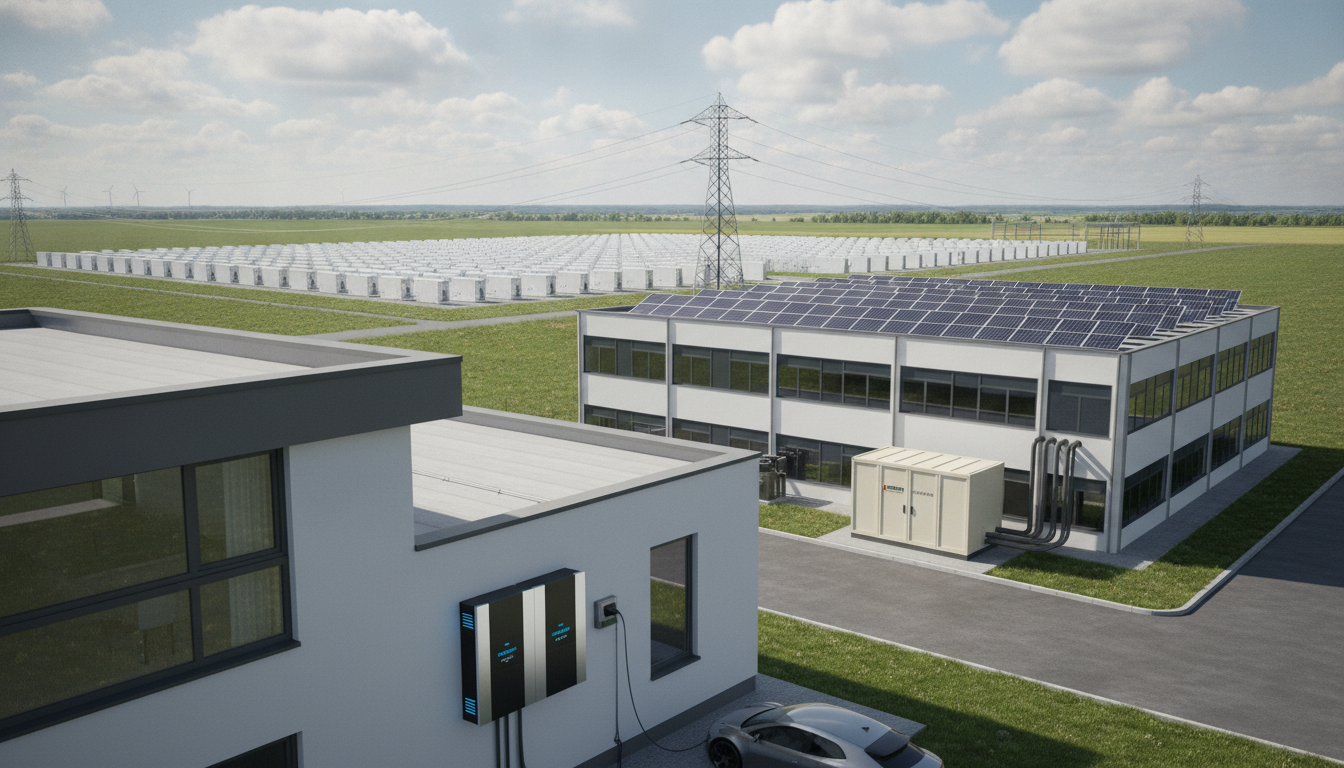
The rapid evolution of technology has transformed how we manage electricity. A battery energy storage system is at the forefront of this change, fundamentally reshaping our infrastructure. These advanced solutions are vital in balancing supply and demand, especially as global consumption fluctuates.
By 2025, the total global capacity for these systems is projected to reach a staggering 267 GW. This growth highlights their significant impact on the international landscape of power management. They not only stabilize grids but also ensure that consumers have consistent access to power.
As we delve deeper into this topic, we will explore how integrating robust systems can optimize power flow and reduce waste. Understanding the technical requirements is crucial for stakeholders looking to invest in sustainable and resilient infrastructure. For more insights, visit Siemens Energy.
Key Takeaways
- Modern infrastructure is being reshaped by advanced storage solutions.
- These systems provide stability to the grid, ensuring reliable power for consumers.
- Projected global capacity by 2025 is 267 GW, indicating a significant industry shift.
- Integrating robust systems can enhance power flow and minimize waste.
- Understanding technical requirements is essential for future investments.
Understanding Battery Energy Storage Systems
The continuous development of technology is changing the landscape of electricity management. To fully grasp the significance of these advancements, it is essential to understand key concepts and terminology related to battery energy storage.
Historically, early energy storage systems in the 1980s relied heavily on lead-acid batteries. This technology laid the groundwork for the modern applications we see today. Since 2010, lithium-ion batteries have taken the lead, driven by rapid cost decreases and increased efficiency.
Defining Key Concepts and Terminology
- Battery Energy Storage: Systems designed to store electricity for later use.
- Types of Storage: Various battery types, including lead-acid and lithium-ion, serve different purposes.
- Life of Batteries: Optimizing battery life is crucial for maximizing efficiency and reducing costs.
Historical Evolution and Modern Applications
As technology evolved, we transitioned from nickel-cadmium and sodium-sulfur chemistries to the current dominance of lithium-ion technology. Modern systems are engineered to optimize cell life while ensuring high energy density for utility-scale projects.
Understanding the fundamental chemistry of batteries is vital as the industry moves toward diverse storage systems. These innovations improve overall performance and durability, catering to specific energy requirements, from short-term frequency control to long-duration power supply.
| Battery Type | Year Introduced | Key Features |
|---|---|---|
| Lead-Acid | 1980s | Foundation for early systems, cost-effective but limited lifespan. |
| Nickel-Cadmium | 1990s | Improved efficiency, but environmental concerns. |
| Lithium-Ion | 2010 | High energy density, long life, and decreasing costs. |
For further insights on pricing trends and developments in energy storage, visit this resource.
Exploring Battery Energy Storage System for Grid Reliability
Innovative technologies are reshaping our approach to grid reliability. These advancements play a critical role in stabilizing and balancing our electrical grids. With the growing demand for consistent power, the need for effective solutions has never been more pressing.
Battery storage acts as the fastest responding dispatchable source of power on electric grids. It can transition to full power in under a second, making it invaluable during peak demand. By providing frequency control and operating reserves, these energy storage systems minimize the risk of outages.
Moreover, integrating a battery storage system with renewable energy sources helps smooth out intermittent supply. This ensures consistent power delivery to the grid, which is essential for reliability. Advanced grid-forming inverters, like those used in the 250 MW Kashgar project in China, are crucial for maintaining stability.
As the penetration of renewable energy increases, the role of battery energy storage becomes vital. It not only balances the grid but also helps prevent regional blackouts during peak periods.
Benefits and Impact on Energy Management
Transformative technologies are significantly altering our approach to managing electrical supply. The benefits of these advancements are profound, particularly in terms of cost and efficiency.
The cost of battery energy storage has plummeted, with prices reaching US$117 per MWh by 2023. This dramatic decrease enhances the economic viability for developers.
Additionally, rapid response capabilities enable these systems to manage fluctuations in supply demand effectively. This adaptability is crucial for modern energy management.
Here are some key advantages:
- Cost-Effectiveness: By reducing reliance on traditional peaking power plants, these solutions provide a more economical way to handle high-demand periods.
- Investor Appeal: Investors are increasingly recognizing the benefits, as these systems offer reliable power without the fuel delivery constraints of conventional generation stations.
- Operational Efficiency: Effective management through these solutions helps utilities lower operational costs while ensuring a stable power supply for all users.
For more insights on navigating the future of energy management, check out this resource.
Technical Innovations and Safety Considerations
Recent advancements in battery technology are paving the way for safer and more efficient power solutions. One notable development is the rise of lithium iron phosphate (LFP) batteries. These batteries provide enhanced safety and longer lifetimes compared to traditional nickel-based chemistries.
The Paiyun Lodge in Taiwan serves as a prime example, having operated an LFP-based storage system since 2016 without any safety incidents. This highlights the reliability of modern battery technologies.
Key innovations include:
- Improved Fire Safety: LFP batteries significantly reduce fire risks, making them ideal for large-scale facilities.
- Electronic Monitoring: Continuous monitoring of battery packs helps manage voltage and prevents critical failures that could lead to hazardous situations.
- Alternative Chemistries: Research into sodium-ion batteries is expanding the options for safe and durable solutions across various environments.
- Optimal Management: Properly managing charging rates and depth of discharge is essential for maintaining battery health and performance.
- Advanced Safety Protocols: Modern safety measures include cooling systems and fire suppression techniques to protect infrastructure and ensure reliable power delivery.
For more insights on pricing trends in battery solutions, visit this resource.
SolarGeng’s Collaborative Approach and Knowledge Transfer
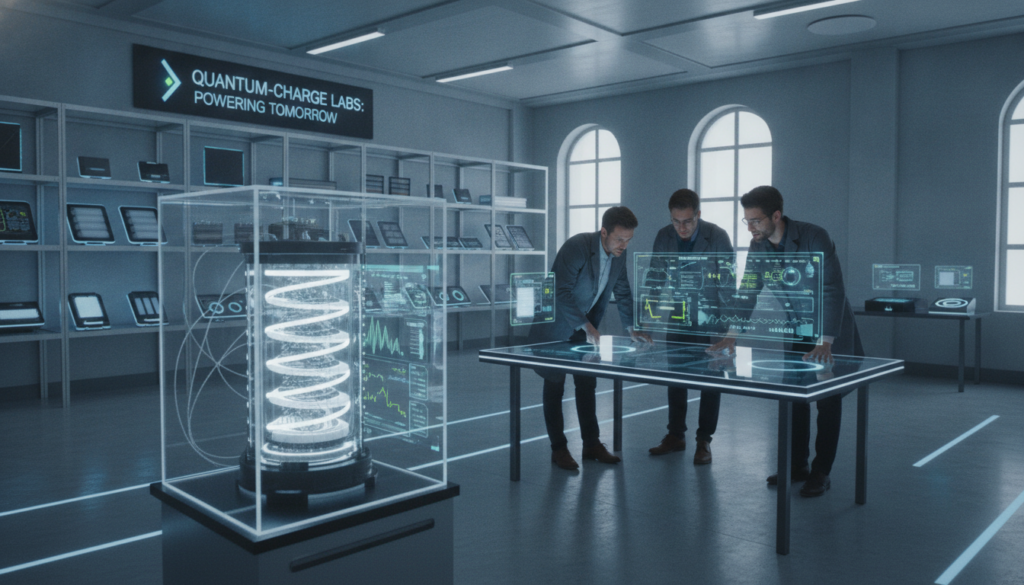
In today’s rapidly evolving landscape, fostering strong partnerships is essential for success. SolarGeng operates as a true technical partner, emphasizing knowledge transfer and capacity building. This ensures our clients develop internal expertise while benefiting from our specialized knowledge.
Our collaborative approach has led to long-term partnerships with leading developers, investors, and technology providers worldwide. We prioritize helping our clients navigate the complexities of managing advanced battery energy solutions.
Building Internal Expertise through Partnership
Here are some key aspects of our approach:
- Dedicated Support: We focus on knowledge transfer to empower clients in managing intricate energy systems.
- Specialized Knowledge: Our team provides insights necessary for overseeing the resilience of energy facilities.
- Optimizing Power Capacity: Collaborating with technology providers allows us to enhance grid integration for storage projects.
- Internal Capacity Building: We believe that developing in-house expertise is crucial for effective energy management.
- Guidance Through Challenges: Our long-term partnerships offer the support needed to address technical challenges in power generation.
Applications Across Residential to Utility Scales
Modern energy solutions are redefining how we harness and utilize clean power. From home battery storage units to large-scale deployments, these systems are revolutionizing our approach to energy management.
Real-world examples illustrate this transformation:
- The Moss Landing Energy Storage Facility in California boasts a remarkable capacity of 1.2 GWh, enabling it to dispatch 300 MW efficiently.
- A recent project in Texas, commissioned in 2024, utilizes 900 retired electric vehicle batteries to create a 53 MWh facility, showcasing innovative recycling and cost-effective solutions.
Large-scale battery storage is essential for integrating renewable energy, ensuring that power generation aligns with grid demands. Additionally, residential systems enhance homeowners’ resilience, allowing them to manage their supply during periods of instability.
Our case studies highlight how diverse battery solutions can be tailored to meet the specific needs of any utility or private facility. For more insights into how these systems are shaping the future of energy management, visit this resource.
Future Trends and Market Developments in Energy Storage
The future of electricity management is being shaped by groundbreaking technologies. As the global market for battery storage expands, countries like China are leading the way. By May 2025, China is projected to reach an impressive 106.9 GW of cumulative installations. This growth is essential for supporting the country’s energy infrastructure.
Emerging technologies are driving the adoption of large-scale solutions. These innovations help manage peak demand and enhance grid electricity flow. Additionally, regulatory influences, such as long-term power auctions in Japan, provide the economic certainty needed for investors. This encourages further deployment of battery storage capacity.
Future trends indicate a shift towards integrating batteries with renewable energy sources. This integration is expected to become the standard for power generation, gradually replacing traditional fossil fuel plants. As the market matures, the use of centrally controlled portfolios of batteries will enhance resilience and efficiency in electricity supply management.
| Market Aspect | Projected Growth | Key Drivers |
|---|---|---|
| China’s Capacity | 106.9 GW by May 2025 | Infrastructure support |
| U.S. Installations | 57.6 GWh in 2025 | Emerging technologies |
| Regulatory Influence | Increased investment certainty | Long-term power auctions |
For more detailed insights into market developments, visit this resource.
Conclusion
As we look ahead, the role of advanced solutions in our power infrastructure is clear. These systems are crucial for ensuring reliability and capacity in the transition to clean energy. By collaborating with experts like SolarGeng, organizations can gain the knowledge needed to effectively manage these complex technologies.
The ongoing decline in costs and the rapid evolution of technology present a unique opportunity for investment in solutions that enhance grid resilience. Looking toward 2025 and beyond, integrating these systems will be vital for balancing supply and demand, stabilizing electricity grids, and ensuring a sustainable future.
We encourage all stakeholders to prioritize safety, innovation, and collaboration to maximize the long-term benefits of their investments in energy management.

