

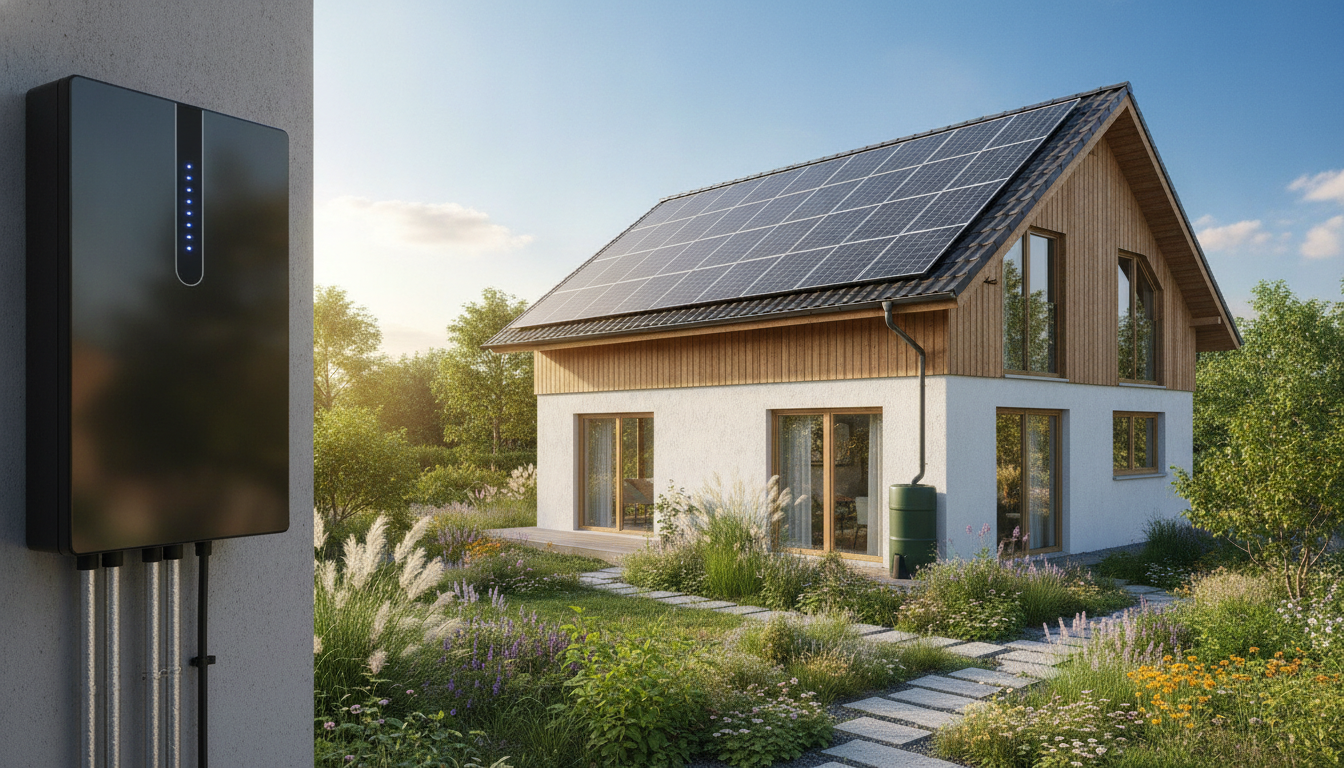
As the demand for renewable energy grows, many homeowners are considering the addition of a battery to their energy systems. According to the Solar Energy Industries Association, 40% of residential projects installed in 2025 included a storage solution. This shift reflects a desire for independence from utility companies and a means to manage power outages.
Deciding whether a battery is the right choice for your home involves evaluating your specific energy needs and local utility rates. While panels generate electricity during the day, a battery allows you to store that energy for evening use. This capability is increasingly essential as weather-related outages become more frequent across the United States.
In this article, we will explore how this technology integrates with your existing system, providing a reliable source of clean energy. Understanding the role of a battery in your home energy strategy is crucial for achieving greater independence from the traditional grid.
Key Takeaways
- 40% of residential energy projects now include a storage solution for enhanced resilience.
- Evaluate your energy needs and local rates to determine if a battery is suitable.
- Store daytime energy for use at night with a battery system.
- Battery systems can provide security during frequent power outages.
- Integrating a battery can help achieve independence from the electrical grid.
Understanding Solar Battery Basics
With the increasing interest in renewable energy, homeowners are exploring the benefits of integrating energy storage solutions. These systems allow you to harness and utilize excess electricity generated during the day. This stored energy can be invaluable during peak hours or when sunlight is not available.
Most modern energy storage systems utilize lithium-ion batteries, known for their high energy density and reliable performance. Many manufacturers prefer lithium iron phosphate (LFP) technology due to its safety and long lifespan. Here are some key points to consider:
- A storage system captures excess electricity from your panels, preventing it from returning to the grid.
- These batteries can endure thousands of charge cycles, lasting between 5 to 15 years.
- Understanding AC-coupled versus DC-coupled systems is essential for effective integration.
- Proper design ensures efficient electricity flow between your solar array, home, and the grid.
For more information on how these systems work, check out this visual guide.
Evaluating the Benefits and Costs of Solar Battery Storage
Homeowners are increasingly weighing the pros and cons of energy storage systems. These systems can provide significant savings on utility bills, particularly in areas with time-of-use rates that penalize peak consumption. With about 55% of grid energy in the United States still generated by fossil fuels, home storage presents a cleaner alternative.
Financial incentives play a crucial role in the decision-making process. State-level tax credits and utility-sponsored rebate programs can help offset the initial costs of installing a home energy storage system. The critical need for energy resilience was highlighted during the February 2021 winter storm in Texas, which left over 4 million people without power.
While the federal tax credit for homeowner-owned systems expired at the end of 2025, leasing options may still provide access to indirect financial benefits. Evaluating the payback period involves comparing the upfront costs against long-term savings from avoiding expensive grid electricity.
Many homeowners find that the peace of mind from backup power during outages is just as valuable as potential financial savings.
| Incentive Type | Description | Potential Savings |
|---|---|---|
| State Tax Credits | Reductions on state income tax for installing energy storage | Varies by state |
| Utility Rebates | Incentives offered by local utilities for energy storage | Up to $1,000 |
| Federal Tax Credit | Expired for homeowner-owned systems | N/A |
Technical Insights into Solar Battery Systems
As homeowners seek reliable energy solutions, understanding the technical aspects of energy storage systems becomes crucial. The performance of these systems is measured through several key metrics that directly impact their efficiency and usability.
Battery Capacity, Performance, and Efficiency Metrics
Battery capacity is quantified in kilowatt-hours (kWh). For instance, the Tesla Powerwall 3 provides a substantial capacity of 13.5 kWh, catering to your home energy needs effectively. Another important metric is roundtrip efficiency, which reflects how well a system converts stored energy for use. The Sigenergy SigenStor BAT boasts an impressive efficiency of 98%, ensuring minimal energy loss.
- High power output ratings are essential for running energy-intensive appliances during outages.
- The depth of discharge (DoD) indicates how much of the battery’s capacity can be utilized before recharging.
- Integrating a battery with your solar panels requires a compatible inverter for safe energy conversion.
Integration with Solar Panels and Backup Power Capabilities
A well-designed system can automatically switch to backup power during an outage. This ensures that essential appliances remain operational without any manual intervention. Monitoring your system’s performance is vital for optimizing energy usage and keeping your battery bank ready for emergencies.
| Feature | Tesla Powerwall 3 | Sigenergy SigenStor BAT |
|---|---|---|
| Capacity (kWh) | 13.5 | Varies |
| Roundtrip Efficiency | 97.5% | 98% |
| Power Output | High | High |
Partnering with Experts for Successful Solar Battery Projects
In today’s energy landscape, homeowners are increasingly seeking expert guidance for effective energy storage solutions. At SolarGeng, we prioritize knowledge transfer and capacity building. This approach empowers our clients to develop the internal expertise needed for managing their energy systems.
Our collaborative partnerships with leading developers and technology providers ensure that you receive the best support. This commitment to excellence fosters long-term relationships that benefit your energy projects.
Here are some key advantages of partnering with us:
- We operate as a true technical partner, ensuring your project’s long-term success.
- Clients gain the expertise necessary to manage their energy systems effectively.
- Our specialized knowledge helps maximize the value of your investments.
- Professional installers guide you through local utility requirements and permitting.
- We stay at the forefront of advancements in battery technology and system integration.
| Partnership Aspect | Description | Benefits |
|---|---|---|
| Knowledge Transfer | Empowering clients with expertise | Improved project management |
| Collaborative Approach | Working with global technology leaders | Access to cutting-edge solutions |
| Installer Support | Guidance through local regulations | Simplified installation process |
For more insights on how we can support your energy journey, visit our website.
Optimizing Solar Battery Use for Home Energy Independence
Homeowners today are discovering innovative ways to maximize their energy efficiency with advanced storage solutions. Utilizing intelligent battery management systems can significantly enhance your energy savings. These systems automatically charge and discharge based on utility rates, ensuring you get the most value from your energy consumption.
By storing excess solar energy during the day, you can power your home in the evening when electricity rates are often at their highest. This strategy not only reduces reliance on the grid but also provides a buffer during outages. A well-configured battery backup system keeps essential appliances running, offering peace of mind when the traditional power supply fails.
To achieve energy independence, it’s crucial to balance your daily power consumption with the storage capacity of your battery bank. Many homeowners find that using their battery to run heavy appliances during the day helps cut down on electricity costs. Advanced software also allows you to monitor your energy production and consumption in real-time, enabling you to make informed adjustments for even greater savings.
Whether you have a 10 kWh or 20 kWh system, intelligent settings ensure that you always have enough power for your most critical needs. For further insights on optimizing your energy strategy, check out this resource on battery optimization.
Navigating Home Battery Options and Choosing the Right System
Selecting the right energy storage system is crucial for homeowners looking to enhance their energy independence. With various options available, understanding the strengths of different brands can guide your decision.
Comparing Top Battery Brands and Technologies
Choosing the best energy storage solution involves comparing brands like Tesla, FranklinWH, and Enphase. Each brand offers unique features tailored to different needs:
- The FranklinWH aPower 2 stands out with a 15-year warranty, ensuring long-term reliability.
- The Enphase IQ Battery 10C integrates seamlessly with Enphase microinverters, ideal for existing setups.
- The SolarEdge BAT-10K is optimized for DC coupling, maximizing efficiency with SolarEdge inverter systems.
Installation, Integration, and Local Utility Considerations
Professional installation is essential to ensure your system meets local utility codes. Proper placement, whether indoors or outdoors, affects performance and safety. Consider the number of appliances you wish to power and the total capacity in kWh required for your needs.
Climate Central reports that weather-related power outages in the US have doubled, highlighting the necessity of a reliable backup system. This makes selecting the right battery backup more important than ever.
| Brand | Warranty | Integration |
|---|---|---|
| FranklinWH aPower 2 | 15 years | General use |
| Enphase IQ Battery 10C | 10 years | Enphase microinverters |
| SolarEdge BAT-10K | 10 years | SolarEdge inverter systems |
For further insights on the best home batteries, check out this resource.
Conclusion
Investing in energy storage solutions can significantly enhance your home’s efficiency and reliability. By evaluating your specific energy needs and collaborating with professionals, you can design a system that maximizes savings and resilience.
Modern technology offers reliable performance, helping you transition away from fossil fuel reliance toward a cleaner future. Whether you seek backup power during outages or want to optimize daily energy consumption, tailored solutions are available.
We encourage you to consult with experts to ensure your installation is safe, efficient, and compliant with local regulations. Taking control of your energy production and storage is a powerful step toward a more secure and environmentally friendly lifestyle.

