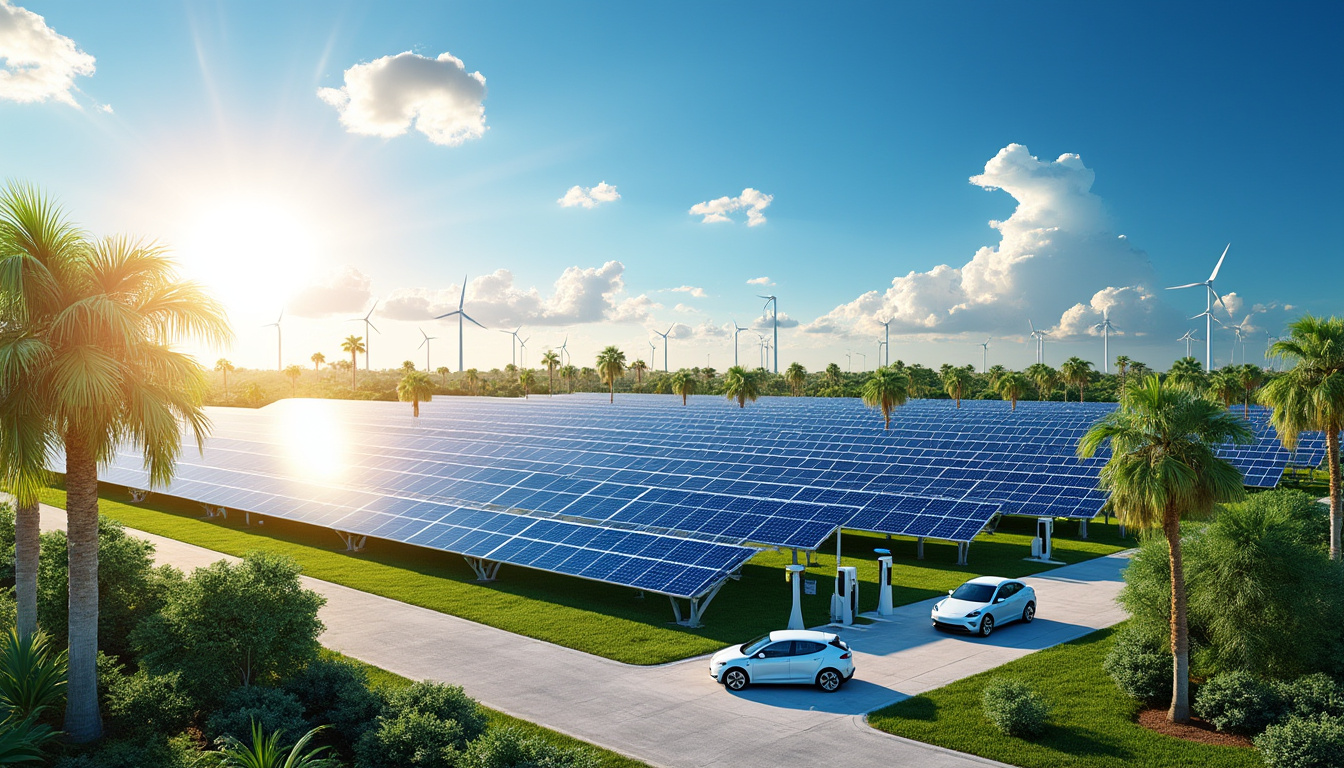
In the arid landscape of Nevada, a significant shift toward renewable energy is taking shape, exemplified by the Nevada Solar One project. Once touted as a banner of innovation in the realm of concentrated solar power (CSP), this facility has had its journey marked not only by technological advancements but also by policy shifts, particularly under recent administrations. As we look toward the future of solar energy in Nevada and beyond, understanding the complexities of this project is critical. This article dives deep into the Nevada Solar One project, examining its operational capacity, the implications of recent administrative changes, and the broader landscape of solar energy initiatives in the state.
The Operational Capacity of Nevada Solar One
The Nevada Solar One facility is a concentrated solar power plant that commenced operations in 2007. With a nominal capacity of 64 megawatts, it was known for its innovative use of parabolic troughs to harness the sun’s energy. These troughs concentrate sunlight onto a receiver, generating steam that powers a turbine to produce electricity. This technology set a benchmark for CSP plants globally.
Located on a vast 400-acre site near Boulder City, the plant has a significant geographical advantage, placed strategically in a region with high levels of solar irradiance. This aspect alone contributes to its efficiency in converting solar energy to power. It has the potential to provide electricity to approximately 14,000 homes annually, contributing to Nevada’s energy needs and facilitating a shift away from fossil fuel dependency.
Technology Employed in Nevada Solar One
The technology employed at Nevada Solar One hinges on its innovative thermal energy storage capabilities, allowing it to store heat from the sun. This storage capability enables the plant to continue producing electricity even when the sun is not shining, thus enhancing its reliability as a power source. The incorporation of molten salt as a heat transfer fluid allows for significant energy collection throughout the day and delivers power after sunset.
This combination of solar energy collection and thermal storage illustrates how Nevada Solar One serves as a model for future solar projects, particularly in states that experience limited daylight hours during the winter months. The operational strategy demonstrates the scalability of CSP technology and its role in combating energy shortages during peak periods.
Challenges Faced and Overcome
Despite its technological merits, Nevada Solar One faced several challenges over the years, ranging from financial hurdles to regulatory obstacles. One notable event was the transition of regulatory environments that encouraged renewable energy development, especially during different presidential administrations, impacting funding and permits for solar projects.
One significant hurdle emerged from the backlash against renewable energy during the Trump administration, which sought to tighten regulations around energy projects, including solar. This caused apprehension among stakeholders considering investments in the operation and expansion of renewable energy projects like Nevada Solar One. Stakeholders found themselves navigating a complex landscape of changing policies and uncertain futures. However, the facility has persevered, maintaining its commitment to sustainable energy production and serving as a beacon of hope for similar projects across the country.
The Impact of Recent Policy Changes on Solar Energy Development
The recent landscape of renewable energy development has been significantly shaped by the interplay of political will and environmental policy. The Bureau of Land Management (BLM) recently made headlines by canceling an environmental review for the ambitious Esmeralda 7 solar project, which aimed to develop seven solar power plants designed to produce nearly 6.2 gigawatts of energy. This situation highlights the ripple effect administrative decisions have on the future of solar energy development in Nevada and across the United States.
Initially, the Esmeralda 7 project had garnered interest due to its potential capacity to power millions of homes, contributing significantly to national renewable energy goals. Backed by significant developers like NextEra Energy and Invenergy, the project aimed to tap into over 118,000 acres of BLM-managed public lands near Tonopah, boosting Nevada’s standing as a leader in solar energy. However, the abrupt decision to cancel the review process raises questions about future investments in the solar sector.
Implications for Future Solar Projects
The cancellation of the Esmeralda 7 project sheds light on several critical issues facing renewable energy initiatives:
- The need for stable and supportive governmental policies to enhance investor confidence.
- How changing administrations can affect the trajectory of energy projects.
- The ongoing struggle between environmental assessment processes and urgent climate action goals.
With energy demands increasing and the window for impactful climate action closing, these developments pose both challenges and opportunities. Stakeholders must engage with policymakers to establish a supportive ecosystem where projects like the Esmeralda 7 and others can thrive without interference. Understanding the different layers of operational importance is crucial for Nevada as it aligns its energy future with sustainability goals.
Investment in Solar Energy: A Growing Trend
A positive aspect amidst these challenges is the ongoing investment in solar energy technologies by prominent entities such as First Solar, SunPower, and Tesla Energy. These companies are often at the forefront of technological advancements, driving efficiencies and bringing innovation to the sector. Nevada’s environment is particularly well-suited for solar expansion, leading to increased investor interest despite administrative hurdles.
The evolution of solar capital investment illustrates a broader trend toward sustainable energy solutions as domestic and international markets recognize the long-term benefits. Investing in solar energy not only addresses environmental concerns but also creates jobs, stimulates local economies, and fosters innovations, culminating in a healthier planet.

The Role of NV Energy in Supporting Solar Initiatives
NV Energy, the primary electric utility provider in Nevada, holds a pivotal role in the state’s energy transition. Committed to integrating renewable resources into its energy mix, NV Energy has launched programs that support solar installations and initiatives while incentivizing customers to adopt solar energy solutions.
Through programs such as the SolarGenerations program, NV Energy empowers both residential and commercial customers to generate their own solar power. This initiative not only reduces dependence on traditional energy sources but also encourages sustainable practices among consumers, further solidifying the foundation for renewable energy in Nevada.
Collaboration with Solar Companies
The partnership between NV Energy and various solar companies has yielded productive outcomes. Companies like SolarReserve and Solar City have worked alongside NV Energy to develop solar plants that contribute significantly to the state’s goals in renewable energy consumption. These collaborations have successfully led to the installation of numerous solar projects spanning rooftops to utility-scale plants.
Moreover, NV Energy’s focus on integrating energy storage solutions from companies like Enel Green Power has been a game-changer. These systems work seamlessly with solar plants, providing a buffer during peak demand and ensuring a steady energy supply during dusk or cloudy weather. By investing in diverse energy solutions that combine various renewables alongside reliable storage technology, NV Energy is preparing for a robust future in sustainable energy.
The Future of Solar Energy Adoption in Nevada
The future of solar energy adoption in Nevada appears promising, driven by community initiatives, technological advancements, and a more informed public. With local governments advocating for clean energy to combat climate change and enhance public health, endorsements for solar projects are likely to gain momentum as awareness of the benefits becomes widespread.
Additionally, public sentiment around renewable energy continues to evolve positively, with more individuals recognizing the long-term benefits of investing in solar technologies. This trend aligns with national goals to reduce carbon footprints and transition towards a cleaner energy economy.
NV Solar Projects Comparison
| Project Name | Capacity (MW) | Year Established | Type |
|---|
Examples of Innovative Projects Shaping the Future
Beyond Nevada Solar One, several innovative solar energy projects showcase the possibilities available in the modern energy landscape. These projects are not only pushing the frontier of technology but also helping to combat climate change on a broader scale.
Diverse Applications of Solar Technology
Solar projects are diversifying far beyond traditional utility-scale plants. There are mirrored installations and combined solar and wind farms working together to optimize energy outputs. Notable examples include:
- Hybrid Solar-Wind Power Farms: Utilizing wind energy along with solar powers, these farms can optimize energy output regardless of weather conditions.
- Community Solar Projects: These allow groups of households that may not otherwise afford solar panels to share in the benefits of collective energy generation.
- Innovative Floating Solar: Solutions found on water bodies not only generate energy but also reduce evaporation, aiding in water conservation.
These diverse approaches to solar energy encapsulate the brand of ingenuity present in modern energy solutions. Additionally, they underline the importance of taking varied approaches in renewable energy setups to ensure sustainability goals are met effectively.
The Role of Nonprofits and Government in Promoting Solar Initiatives
Several nonprofit organizations and government agencies dedicate efforts to promote solar initiatives and renewable energy education in local communities. Organizations like the Solar Energy Industries Association (SEIA) provide critical resources, advocacy, and support for solar projects across the nation. Their collaboration with local governments leads to initiatives that propel solar energy onto the agendas of communities seeking modern energy solutions.
Consequently, community-backed initiatives foster grassroots movements toward sustainability, positioning solar technologies at the forefront of local energy solutions and environmental stewardship, ultimately shaping vibrant futures in energy independence.
What is Nevada Solar One?
Nevada Solar One is a concentrated solar power plant in Nevada, recognized for its innovative technology and ability to produce 64 MW of energy.
Why was the Esmeralda 7 solar project canceled?
The Esmeralda 7 solar project faced a cancellation of its environmental review due to changes in presidential administration, impacting funding and permits.
How does NV Energy support solar initiatives?
NV Energy supports solar initiatives through programs that incentivize both residential and commercial solar installations.
What are some innovative solar projects?
Innovative solar projects include hybrid solar-wind farms, community solar projects, and floating solar installations.
What technologies are used in Nevada Solar One?
Nevada Solar One utilizes parabolic trough technology and molten salt for heat storage to effectively generate solar energy.