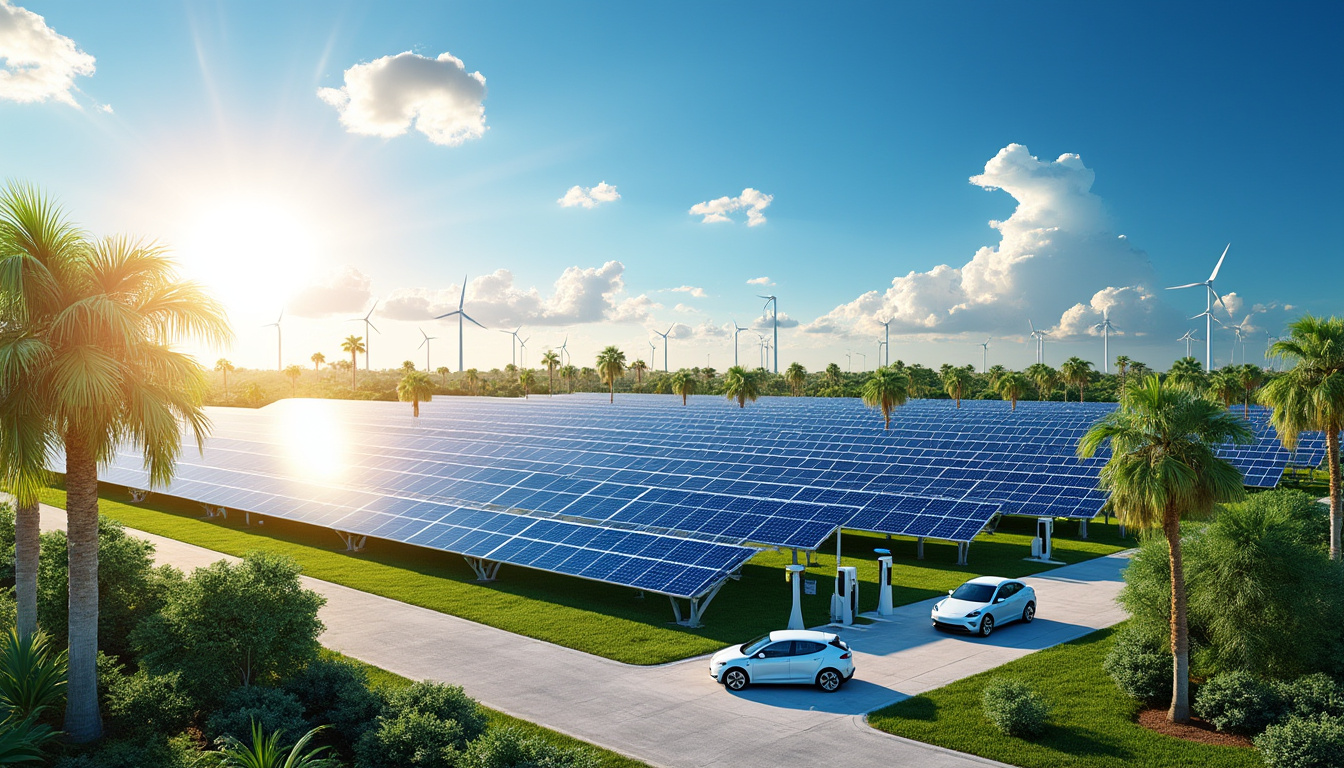
The solar panels installation industry is experiencing a remarkable surge as the world shifts towards renewable energy solutions in a bid to combat climate change. The demand for solar energy has sparked a plethora of job opportunities, catering to a diverse workforce from various educational backgrounds and skill sets. With projected growth rates soaring, the landscape of solar installation jobs is rapidly evolving, creating pathways for aspiring professionals to enter this flourishing sector. Companies are seeking individuals who are not only passionate about sustainability but who possess the technical skills necessary for the efficient functioning of solar energy systems.
Employers, recognizing the need for a well-trained workforce, are collaborating with educational institutions to create programs tailored to the solar industry. This cooperation is vital to equip workers with the necessary skills to meet the technical demands of solar technology. Additionally, as the industry expands, job roles are diversifying, leading to positions beyond just installation, including project management, sales, and technical support. As a result, those exploring career opportunities in this domain have the potential to make significant impacts both ecologically and economically.

Understanding the Role of Solar Energy System Installers
A Solar Energy System Installer plays a crucial role in harnessing solar power by installing photovoltaic (PV) systems that convert sunlight into electricity. Their work encompasses a variety of responsibilities, ensuring that solar energy systems operate efficiently and reliably. The typical duties include conducting site assessments, planning, installing, and maintaining solar installations for residential, commercial, and industrial properties. Each project requires tailored solutions based on the specific needs and energy goals of the client.
Primary Responsibilities and Skills Required
The role of an installer can be demanding, necessitating a specific skill set and knowledge base. Key responsibilities include:
- Assessing site conditions and determining the optimal installation configuration.
- Installing solar panels on roofs or ground mounts, ensuring compliance with safety standards.
- Connecting solar panels to inverters, batteries, and the electrical grid.
- Testing and troubleshooting installations to guarantee optimal performance.
- Maintaining and monitoring systems to ensure long-term functionality.
Moreover, effective communication and project management skills are paramount, as installers often work closely with other professionals, including electricians and project managers. The capacity to work as part of a team while adhering to deadlines is essential in the fast-paced solar industry.
| Key Skills | Description |
|---|---|
| Technical Acumen | Understanding of electrical systems and solar technology. |
| Problem-Solving | Ability to troubleshoot issues during installation and maintenance. |
| Safety Awareness | Comprehensive knowledge of safety protocols and regulations. |
| Communication | Skill in clearly conveying technical information to clients and team members. |
Diverse Career Opportunities in Solar Energy
The solar industry offers a diverse array of career paths for individuals interested in renewable energy. While many may think of solar installers, there exists a wide spectrum of roles tailored to various skill levels and interests. Companies like First Solar, Vivint Solar, and SunPower are leading players within this sector, offering numerous positions that cater to a range of talents.
Types of Jobs in the Solar Sector
Diverse roles within the solar industry include:
- Project Managers: Overseeing solar installation projects from conception to completion, ensuring adherence to timelines and budgets.
- Sales Representatives: Engaging with potential clients, educating them about solar solutions and guiding them through the purchasing process.
- System Designers: Creating efficient solar system designs tailored to specific client needs, ensuring optimal energy production.
- Technicians: Responsible for the maintenance and repairs of solar energy systems, keeping installations running efficiently.
- Electrical Engineers: Working on the design and integration of electrical systems within solar projects.
With less than half of solar workers (43% as of recent statistics) requiring a bachelor’s degree, the industry is accessible to individuals from various educational backgrounds. This opens doors to those looking to start a career in renewable energy, especially at a time when demand for skilled workers is peaking.
| Career Path | Typical Requirements | Average Salary |
|---|---|---|
| Solar Installer | No formal degree required; technical training preferred. | $40,000 – $60,000 |
| Project Manager | Bachelor’s degree in management or related field. | $70,000 – $100,000 |
| Sales Representative | Strong communication skills; no formal degree needed. | $50,000 – $80,000 (including commissions) |
| System Designer | Bachelor’s degree in engineering, renewable energy, or related field. | $60,000 – $90,000 |
Solar Panel Installation Jobs: Where the Jobs Are
Explore the growing field of solar panel installation and the opportunities it presents.
Finding Job Opportunities in Solar Energy
As the solar industry continues its upward trajectory, job seekers have multiple avenues to explore available opportunities in this dynamic field. Leading job boards like ZipRecruiter and Indeed list numerous openings ranging from entry-level positions to advanced career opportunities. Furthermore, industry-specific resources such as the Solar Energy Industries Association (SEIA) offer guidance and tools for job seekers to navigate the solar job market.
Essential Resources for Job Seekers
Job seekers can access a variety of resources aimed at boosting their prospects within the solar industry, including:
- Online Courses: Educational programs like those offered by the Interstate Renewable Energy Council help aspiring professionals gain necessary skills.
- Networking Events: Events such as SEIA’s conferences provide opportunities to connect with industry insiders.
- Internship Programs: Many companies, including Momentum Solar and Trinity Solar, offer internships that can lead to full-time employment.
- Trade Publications: Subscribing to industry news outlets or journals can keep job seekers informed about market trends and job openings.
By leveraging these resources, individuals can effectively position themselves within a growing sector that is vital to achieving energy independence and sustainability.
| Job Portal | Description |
|---|---|
| ZipRecruiter | Search for solar jobs across multiple categories. |
| Indeed | View thousands of job postings related to solar installation and maintenance. |
| SEIA Careers | Access resources and tools specifically for the solar industry. |
Trends Shaping the Future of Solar Jobs
The advancement of technology and shifts in market demands are significantly impacting the solar job landscape. With continual innovations in solar technology, roles within this sector are evolving. Companies are increasingly focusing on integrating energy storage solutions, which promises to enhance the usability of solar energy, thereby increasing the demand for skilled technicians and engineers.
Emerging Workplace Dynamics
As telecommuting and flexible work arrangements become commonplace in many sectors, the solar industry is also adapting. Many positions are transitioning to hybrid models, allowing professionals to engage in both on-site and remote work. This flexibility benefits both employers and employees, creating a more versatile work environment.
Additionally, the push for sustainability is driving companies to expand their workforce to include talent with diverse backgrounds. The integration of technicians with skills in energy storage systems—such as those from companies like Sunrun and Blue Raven Solar—is becoming increasingly necessary.
- Increased focus on sustainability and clean energy practices.
- Emerging roles in renewable energy technology and engineering.
- Growth in energy storage solutions and related installation roles.
- Expanded opportunities for professionals with diverse skill sets.
What skills are essential for a career in solar installation?
Important skills include technical proficiency in solar technology, problem-solving abilities, effective communication skills, and safety awareness.
Do I need a degree to work in the solar industry?
Many positions in the solar industry do not require a bachelor’s degree. Many installation roles and entry-level positions focus on hands-on experience and training.
What is the average salary for solar installers?
As of 2025, solar installers can expect an average salary between $40,000 to $60,000, depending on experience and certifications.
Where can I find job opportunities in solar energy?
Job seekers can explore opportunities on platforms like ZipRecruiter and Indeed, as well as through industry-specific resources like the SEIA.
What types of companies are hiring in the solar industry?
Companies vary from small local installers to large corporations like Tesla Energy and First Solar, which offer diverse job opportunities across the sector.