


In today’s rapidly evolving energy landscape, the shift towards a decentralized approach to power generation is fundamental. Distributed generation (DG) represents a transformative trend where electricity is produced closer to the end-users through various local resources. This novel framework enhances energy efficiency, reduces transmission losses, and facilitates the seamless integration of renewable resources. As we navigate the contours of modern electricity markets, understanding DG’s implications is paramount to fostering robust and sustainable energy systems.
Understanding Distributed Generation and Its Importance
Distributed generation refers to the production of electricity from small-scale sources located close to where it will be used. These sources are often renewable, like solar panels, wind turbines, or geothermal systems, but can also include energy storage technologies. The transition to distributed generation marks a significant departure from traditional centralized power plants, which typically require extensive transmission networks to deliver electricity across long distances. The movement towards DG highlights the need for efficiency, sustainability, and resilience in our energy systems.
The Mechanics of Distributed Generation
At its core, distributed generation operates through various technologies known as distributed energy resources (DERs). These include:
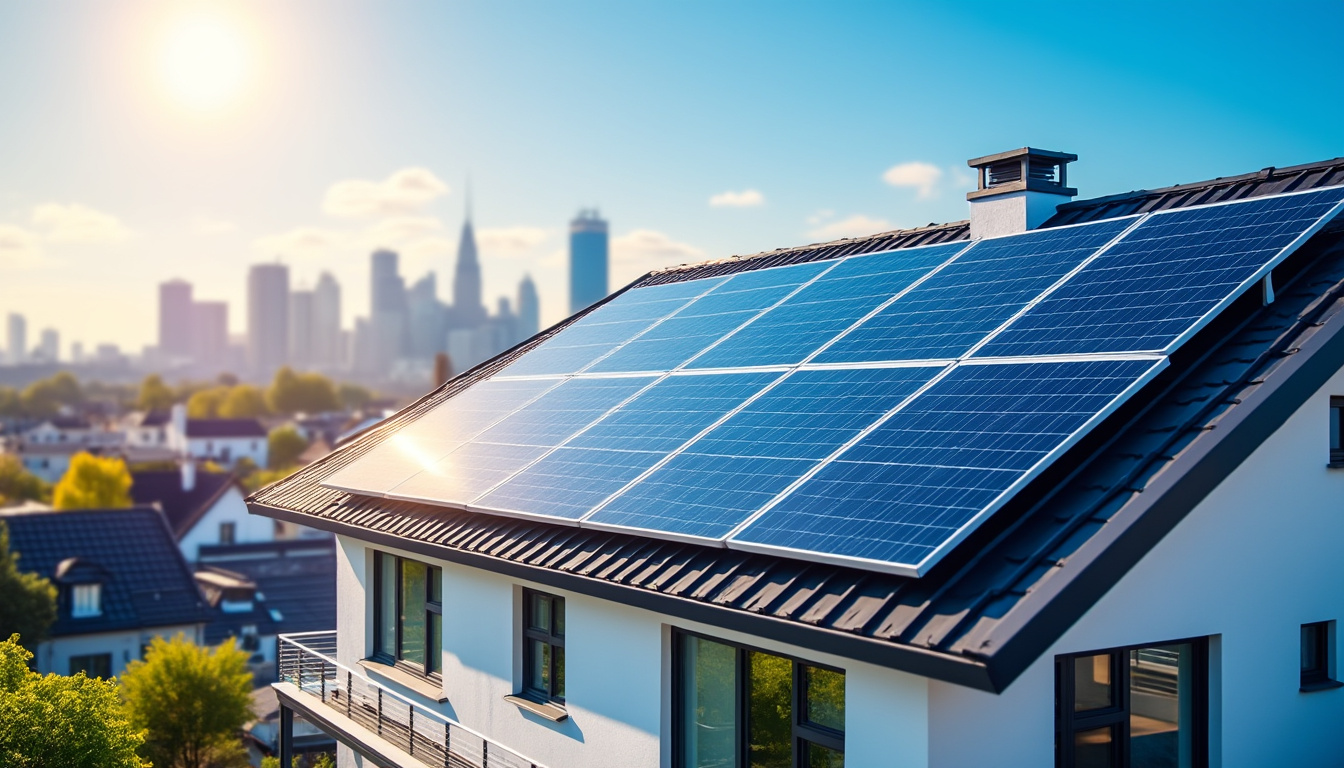
- Solar Photovoltaics (PV): These systems convert sunlight into electricity, proving to be one of the most prevalent forms of DG.
- Wind Turbines: Small-scale wind installations can serve individual consumers or neighborhoods.
- Microturbines: These small combustion engines use various fuels to generate electricity, typically between 15 and 300 kilowatts.
- Combined Heat and Power (CHP): This technology simultaneously produces electricity and useful heat from the same energy source.
- Battery Storage Systems: These units store excess energy produced by DERs for later use, improving reliability.
The adaptability of these systems allows them to be seamlessly integrated into existing energy grids, promoting localized energy solutions and reducing reliance on fossil fuels.
Impact of Distributed Generation on Energy Efficiency
Distributed generation significantly improves energy efficiency. By producing electricity near the end use, DG minimizes transmission losses that can occur when energy is transported over long distances. For instance, transmission losses can account for up to 5-10% of energy produced, depending on the distance and infrastructure. Furthermore, the localized nature of DG allows for improved responsiveness to consumer demand. Technologies like smart inverters and real-time energy management systems are enhancing the ability to balance supply and demand effectively.
Additionally, distributed energy resources contribute to integrating renewable energy into the grid. With major players like Tesla, SunPower, and LG Energy Solution at the forefront, innovation in solar technologies has catalyzed a significant upsurge in residential installations.
| Type of DG Technology | Typical Capacity | Primary Energy Source | Examples |
|---|---|---|---|
| Solar PV | 1-10 kW (residential) | Solar | LG, Q CELLS |
| Wind Turbines | 1-100 kW | Wind | GE, Enphase Energy |
| Microturbines | 15-300 kW | Gas, Biogas | Capstone Turbine, Generac |
| Battery Storage | 5-100 kWh | N/A | Sonnen, SimpliPhi Power |
Energy Storage: A Pillar of Distributed Generation
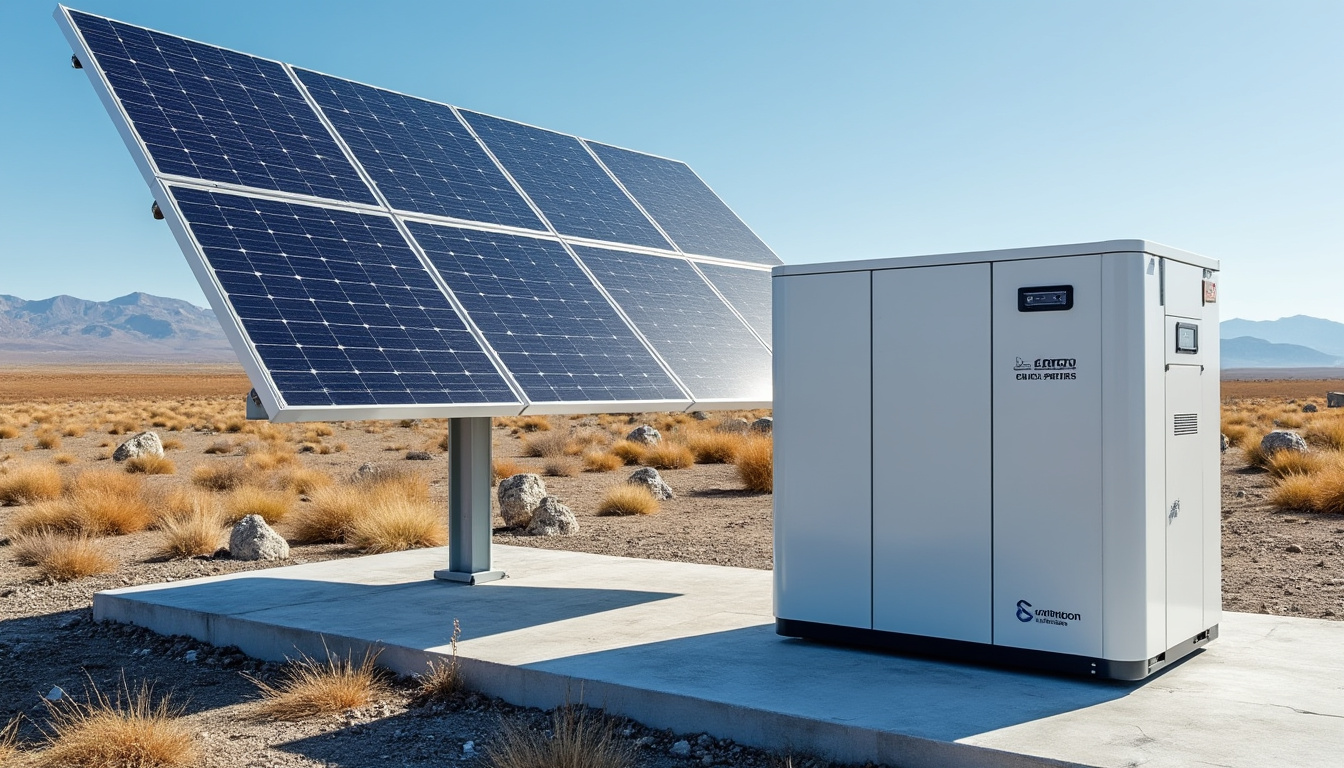
Energy storage is a crucial component of distributed generation, enabling better management of renewable resources. With intermittent sources like solar and wind, energy storage systems ensure steady power supply even when generation is low. For instance, battery storage systems can charge during peak production hours and release energy during high demand or when production falls short.
The Role of Battery Systems in Enhancing Resilience
Battery storage systems not only stabilize grid operations but also enhance energy resiliency for end-users. In cases of grid failure or extreme weather events, these systems can provide backup power, which is essential for critical infrastructure like hospitals and emergency services. As of 2025, a growing number of residential applications incorporate systems from companies such as Panasonic and SolarEdge, which offer robust options for homeowners seeking energy independence.
Moreover, innovative technologies such as vehicle-to-grid (V2G) systems allow electric vehicles to contribute to the grid during peak demand periods, further showcasing the versatility of modern energy storage solutions.
Compensation Mechanisms for Distributed Energy Producers
As the market for distributed generation expands, various compensation mechanisms have emerged to encourage individuals and businesses to invest in these technologies. Three primary models are widely adopted:
- Net Metering: DG system owners receive credits for the excess energy they supply to the grid, making their investment more attractive.
- Feed-in Tariffs (FiTs): These provide guaranteed payments for renewable energy generated, promoting the deployment of solar and wind technologies.
- Power Purchase Agreements (PPAs): Long-term contracts ensure fixed rates for energy, providing predictable cash flows for producers.
| Compensation Mechanism | Description | Advantages |
|---|---|---|
| Net Metering | Credits for excess energy sent to the grid. | Enhances affordability and encourages solar adoption. |
| Feed-in Tariffs | Fixed payments for renewable energy supplied. | Stabilizes revenue for long-term investments. |
| Power Purchase Agreements | Long-term purchase contracts for energy produced. | Predictable cash flow for energy producers. |
Overcoming Challenges in Distributed Generation Implementation
Despite the numerous benefits, implementing distributed generation presents essential challenges. Regulatory frameworks currently in place often lag behind technological advancements. For instance, legacy systems were not designed for the bidirectional flow of electricity that DG introduces. This can lead to congestion and decreased reliability. Moreover, issues surrounding interconnection standards need to be addressed to ensure safe integration with existing grids, which can be cumbersome and time-consuming.
Comparative Table of Distributed Generation Policies
| Policy | Market Growth (%) | Participation Rate (%) | Notes |
|---|
The Need for Advanced Grid Solutions
To overcome these challenges, advanced grid solutions are critical. Smart grids equipped with advanced metering infrastructure (AMI) can facilitate better communication among producers and consumers, promoting efficient energy management. Furthermore, regulatory bodies must adapt and develop clear guidelines to support new technologies while ensuring safety and reliability.
Stakeholders, including utilities, regulators, and technology providers, need to collaborate closely to create a supportive environment that encourages innovation. Lessons learned from successful implementations in other regions can serve as valuable guidelines for future developments.
Future of Distributed Generation: Insights and Innovations
The future of distributed generation holds enormous potential as technology continues to evolve. Innovations in digital energy management, smart grids, and battery technology are paving the way for a more decentralized and resilient energy landscape. Additionally, as consumer preferences shift towards sustainable energy choices, companies will be increasingly incentivized to adopt distributed generation solutions.
Peer-to-Peer Energy Trading and Virtual Power Plants
Upcoming trends such as peer-to-peer energy trading platforms enable consumers to share excess energy among themselves, creating a community-driven approach to energy distribution. Virtual power plants, which aggregate numerous distributed resources, can act as a unified entity within the grid. This advanced coordination optimizes energy flow and increases overall system reliability. With innovators like Generac leading the way, these advancements could revolutionize how energy is generated and consumed.
The Role of Regulatory Bodies in Shaping DG Policies
Regulatory frameworks will have a crucial role in shaping the landscape of distributed generation. Policies that promote renewable energy adoption, reduce bureaucratic hurdles, and offer incentives for clean technology will drive market growth. Ensuring that these policies evolve in tandem with technological advancements will be essential for fostering a resilient energy future.
What is distributed generation?
Distributed generation is the production of electricity from small-scale energy systems located near the point of use, such as residential solar panels or small wind turbines. It enhances efficiency and reduces reliance on centralized power plants.
What are the benefits of distributed generation?
The benefits of distributed generation include improved energy efficiency, reduced transmission losses, enhanced grid resilience, and the facilitation of renewable energy integration.
How does energy storage complement distributed generation?
Energy storage systems, such as batteries, are vital for stabilizing energy supply from renewable sources, providing backup during outages, and managing peak demand effectively.
What challenges does distributed generation face?
Challenges include regulatory hurdles, interconnection issues, and the need for advanced grid solutions to manage bidirectional electricity flow safely.
What is the future outlook for distributed generation?
The future of distributed generation appears promising, with trends toward smart grids, peer-to-peer energy trading, and virtual power plants all contributing to a decentralized and resilient energy system.

